
Vandaag of morgen in huis

Kwaliteit gegarandeerd

Welkomstaanbiedingen ontgrendelen: GRATIS bezorging | Tot 80% korting | Gratis 30 dagen JoyPlus-proefperiode
Download de app
Looking for a quick, high-protein snack for after your workout or a healthy treat? The shelves are packed with protein bars that promise the world. But how do you know if you're making a smart purchase or just buying a glorified, expensive candy bar? As a Joybuy Product Recommendation Officer, I'll help you see through the marketing jargon and make a choice that aligns with your goals.
Many consumers fall into the same traps. Let's review the most common ones so you can avoid them.
To avoid making a bad purchase, there are a few objective specifications you should always check on the packaging.
This is arguably the most important factor. A good rule of thumb for an effective and healthy bar is:
A quick glance at the ingredients tells you a lot. Pay attention to the following points:
Ask yourself what you want to use the protein bar for.
Based on these objective criteria, we have highlighted several popular choices that cater to different needs.
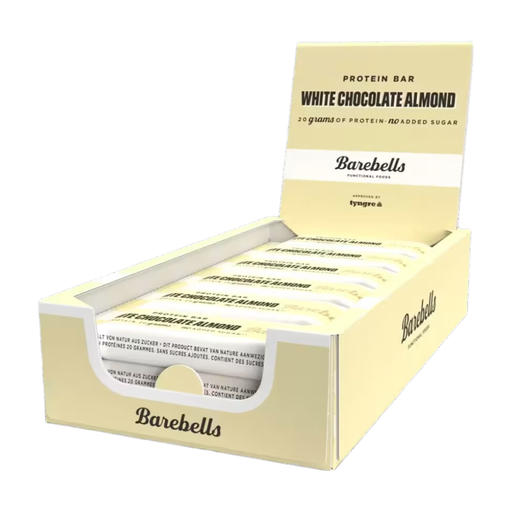
Why This Fits Their Persona: For those who are serious about their sport and refuse to compromise on nutritional value. This bar combines a high protein content with a very low sugar content, without sacrificing taste.
It tackles both the 'sugar bomb' and 'protein illusion' pitfalls. With 20 grams of protein and only 1 gram of sugar per 55-gram bar, you get exactly what you pay for: a functional, high-protein snack.
Excellent protein-to-sugar ratio. Barebells bars are known for their soft texture and delicious flavours, thus avoiding the 'tasteless disappointment'.
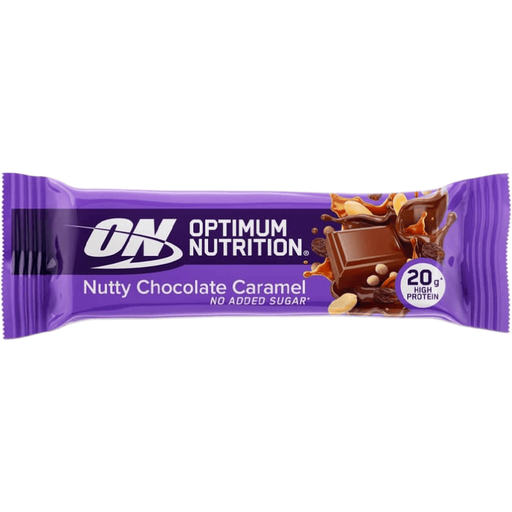
Why This Fits Their Persona: Ideal for anyone looking for a tasty and filling snack that fits an active lifestyle. The focus is on great taste and texture, with a solid amount of protein as a functional benefit.
This bar bypasses the 'tasteless disappointment' trap. The combination of chocolate, caramel, peanuts, and raisins creates a rich flavour experience. It contains no added sugars, only naturally occurring ones.
Delivers 20 grams of protein per 70-gram bar. The texture is a plus, with crunchy pieces. Suitable for vegetarians.
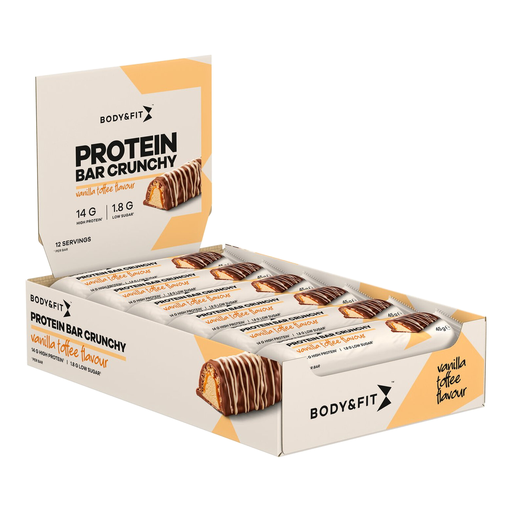
Why This Fits Their Persona: An approachable and balanced option for those new to the world of protein bars. It offers a good balance of protein, calories, and low sugar content without being overwhelming.
This is a perfect example of how to avoid the 'sugar bomb' trap. With only 1.8 grams of sugar per bar, it's a genuinely healthy choice, far better than most supermarket snacks.
Provides 14 grams of protein for only 170 kcal per bar. The crunchy texture is often considered a plus and makes for a satisfying snack.
We have compiled a complete, up-to-date list of products that fully meet these strict selection criteria and all relevant regulations.
That depends on your goal. Many people eat a protein bar within an hour after a workout to promote muscle recovery. However, you can also use it as a convenient snack at the office or on the go. It's a handy way to increase your protein intake and stave off hunger between meals.
They can be a helpful tool within a diet. Protein provides a long-lasting feeling of satiety, making you less likely to reach for unhealthy snacks. If that's your goal, consciously choose low-sugar protein bars with a favourable calorie-to-protein ratio. However, a bar does not replace a balanced meal and is only one part of a bigger picture that includes overall nutrition and exercise.
Always read the label carefully. Manufacturers are required to clearly list the most common allergens. The most frequent allergens in protein bars are milk, soy, peanuts, nuts, and gluten. The ingredient list specifies what the bar contains and may also mention potential cross-contamination with other allergens.
