
Vandaag of morgen in huis

Kwaliteit gegarandeerd

Welkomstaanbiedingen ontgrendelen: GRATIS bezorging | Tot 80% korting | Gratis 30 dagen JoyPlus-proefperiode
Download de app
The supermarket aisle for snack bars is endless. From cereal bars to sports nutrition bars, the choice is immense. You're looking for a convenient and nutritious snack, but many products marketed as 'healthy' are anything but. As a Product Recommendation Officer at Joybuy, I see the challenges consumers face every day. Let's look at the two most common pitfalls when buying bars.
You don't need to be a nutritionist to make a smart choice. Just pay attention to three simple specifications on the packaging.
The most important rule: a functional protein bar should contain significantly more grams of protein than sugar. A quick glance at the nutritional information per 100 grams gives you a fair comparison. Are you specifically looking for sugar-free protein bars? Then pay attention to the polyols (sugar alcohols) content. These provide sweetness without the calories of sugar, but can cause stomach or intestinal discomfort if consumed excessively.
Not all proteins are created equal. Protein bars for athletes often contain whey or casein protein, derived from milk. These are efficiently used by the body for muscle recovery. Plant-based sources like soy, pea, or nuts are also popular. The choice depends on your personal preference and diet. For a general healthy snack, the exact source is less critical than the total amount and the ratio to sugars.
Consider what you're using the bar for. As a quick post-workout snack? Then some extra calories are fine for energy recovery. As a snack to curb hunger at the office? Then a bar with fewer calories and more fibre is a smarter choice. Fibre contributes to a feeling of fullness, making you less likely to feel hungry again soon.
Based on objective specifications, we have selected a number of bars that suit different goals and preferences.
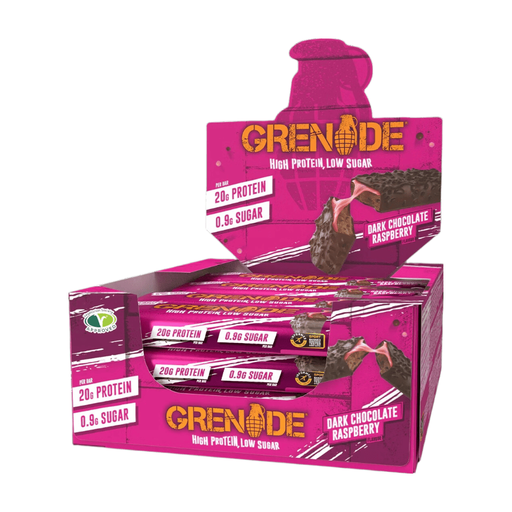
Why This Fits Their Persona: You train with a specific goal in mind and need a bar that provides maximum support for muscle recovery. This bar delivers a high dose of protein with minimal sugar, perfect for after an intensive workout.
This is the opposite of a sugar bomb. With over 20 grams of protein and less than 2 grams of sugar per bar, it completely bypasses the 'healthy sugar trap'. The focus is purely on functional sports nutrition.
Very high protein content (approx. 33g per 100g) and an extremely low sugar content (approx. 1.4g per 100g).
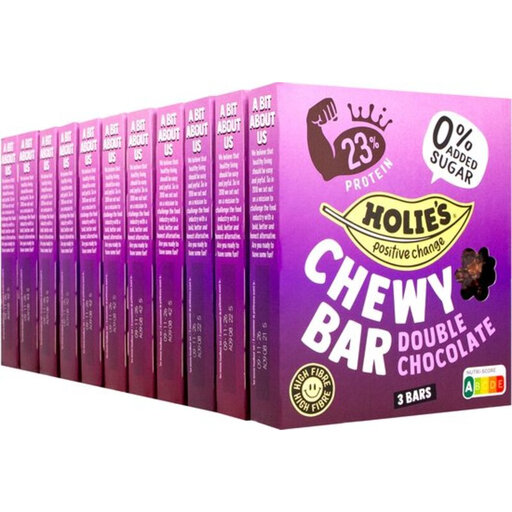
Why This Fits Their Persona: You're looking for a responsible and filling snack for the office or on the go. This bar combines high fibre and protein content, ideal for satisfying hunger without a sugar crash.
While many 'high-fibre' cereal bars still contain a lot of sugar, this bar keeps the sugar content extremely low (2.9g per 100g). The combination of 21g of fibre and 23g of protein (per 100g) ensures long-lasting satiety and avoids the 'protein illusion' of less functional bars.
Excellent balance between high fibre (21g per 100g) and high protein content (23g per 100g), with very little sugar.
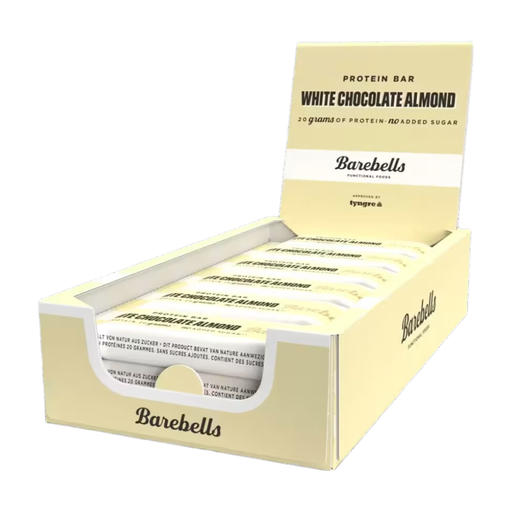
Why This Fits Their Persona: For you, a protein bar must not only be functional but, above all, delicious. You want to enjoy your snack without the guilt. Barebells is renowned for its taste and texture, which many argue is indistinguishable from a regular chocolate bar.
This bar proves that 'low in sugar' doesn't have to mean 'low in taste'. It delivers 20 grams of protein, tackling the 'protein illusion', while avoiding the 'healthy sugar trap' by containing only a few grams of sugar.
Often praised for its taste and texture, combined with 20 grams of protein per bar and a low sugar content.
We have compiled a complete, real-time list of products that fully satisfy these strict selection criteria and UK safety regulations.
That depends on your goal. Consuming one within 30-60 minutes after a workout helps with muscle recovery. As a snack, it can help bridge the gap to your next meal and prevent unhealthy snacking choices.
Polyols like maltitol are used as sugar substitutes. They contain fewer calories and have less impact on blood sugar levels. For most people, they are not an issue, but for those with sensitivity or in cases of excessive consumption, they can have a laxative effect, as is often stated on the packaging.
No single product is a magic bullet for weight loss. However, protein bars can be a useful part of a diet. Protein and fibre provide a feeling of satiety, which can help limit overall calorie intake. A sugar-free protein bar is a smarter choice in this context than a regular candy bar with the same number of calories. Ultimately, it all comes down to your total energy balance.
