
Vandaag of morgen in huis

Kwaliteit gegarandeerd

Welkomstaanbiedingen ontgrendelen: GRATIS bezorging | Tot 80% korting | Gratis 30 dagen JoyPlus-proefperiode
Download de app
A protein bar might seem straightforward at first glance: pick a flavour, check the protein content, and add it to your basket. However, bars vary widely in their composition, portion size, sugar content, and price per bar. If you only look at the front of the packaging, you could end up with an expensive snack that doesn't suit your eating occasion or nutritional goals.
For athletes, fitness enthusiasts, and active adults, these three pitfalls are particularly relevant:
For a practical, protein-rich snack, the grams of protein per individual bar are more important than a high percentage on the packaging. Across the range, amounts vary from around 14 to 25 grams per bar. A 50-gram bar with 25 grams of protein offers a different ratio than a 74-gram bar with 25 grams of protein.
If you're looking for a protein bar for after exercise, start by comparing the portion size and protein content. Product information may state that protein contributes to the growth and maintenance of muscle mass. This is a permitted nutrition claim when the conditions are met; it doesn't automatically make a bar suitable for every workout or diet.
A low-sugar protein bar sometimes contains maltitol, glycerol, sucralose, or other sweeteners. So, alongside "of which sugars," also check the line for polyols. For example, the Grenade Carb Killa contains 1.4 grams of sugar and 18 grams of polyols per 60-gram bar, according to the product information. Barebells states around 1 to 1.5 grams of sugar per bar for various flavours, but sweeteners and polyols may also be present there.
This difference is practically relevant. If you're sensitive to polyols, it's wise to start with a small amount and read the label. Moreover, a low sugar value says nothing about the total number of calories.
Milk, soya, peanuts, nuts, gluten, and collagen are common ingredients in protein bars. If you have an allergy or intolerance, you should always check the full ingredients list on the packaging. Recipes can change.
Also, consider when you'll eat it:
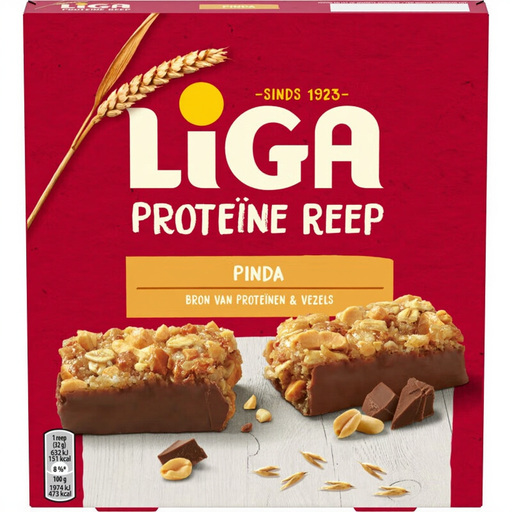
Why this fits the profile: An accessible choice for anyone looking for a protein-rich snack with peanuts and grains, without committing to a large sports nutrition multipack straight away.
The nutritional values state 15 grams of protein per 100 grams. So check the actual portion size and be aware of 24 grams of sugar per 100 grams.
Source of protein and fibre; crunchy texture with peanuts. Contains milk, gluten, soya, and peanuts.
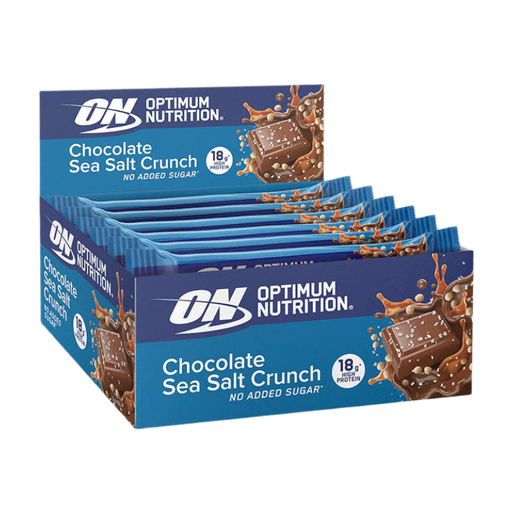
Why this fits the profile: For those who want a multipack with fixed portions, a chocolate flavour, and a crunchy texture for home, on the go, or the gym.
20 grams of protein is stated per bar. Do check the current sugar and ingredients list on the packaging before purchasing.
12 bars of 55 grams; 20 grams of protein per bar; crunchy chocolate and sea salt flavour.
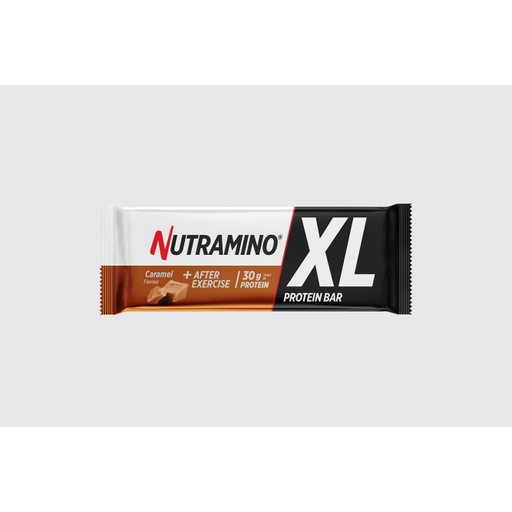
Why this fits the profile: A larger bar for active moments when you want carbohydrates alongside protein, for example around a long or intensive workout.
The bar clearly states 25 grams of protein and 30 grams of carbohydrates per 74 grams. The 19 grams of sugar per bar makes it less suitable for those who want to strictly limit their sugar intake.
25 grams of protein per bar; soft centre with soya crisps; 74 grams each. Contains milk and soya.
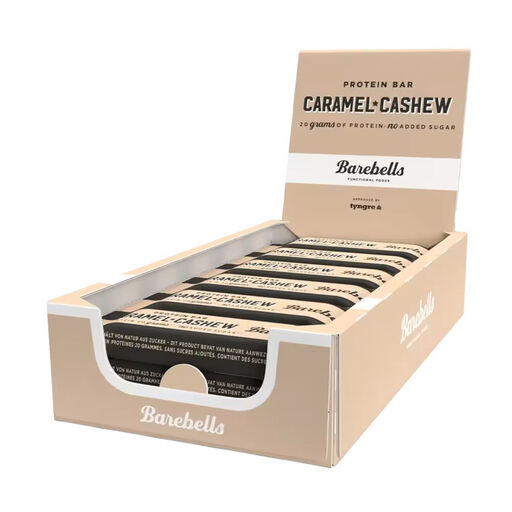
Why this fits the profile: A multipack for those who value a soft texture, caramel and cashew flavour, and a low sugar content in a daily snack.
The product information states 20 grams of protein and around 1 to 1.5 grams of sugar per bar. Polyols are also present; check your personal tolerance.
12 bars of 55 grams; 20 grams of protein each; 3 grams of fibre and a caramel and cashew flavour. Contains milk, cashew, and peanut.
We've put together a full, up-to-date list of products that fully meet these strict selection criteria and comply with current European safety regulations.
The best-before date is on the packaging. Store the bar according to the manufacturer's instructions, usually in a cool, dry place away from direct sunlight. Once opened, it's best to eat the bar straight away and not keep it in a warm place for a long time, such as in a closed car.
It can be practical, especially when you're on the go and don't have a full meal available. There's no universally mandatory time to eat a protein bar. Instead, compare the protein, carbohydrates, calories, and ingredients with your overall diet. Also check whether you tolerate milk, soya, nuts, or sweeteners.
That depends on the offer and the contents. Calculate the price per bar by dividing the total price by the number of bars. Then also compare the weight per bar and the grams of protein. A protein bar multipack with a low price per bar isn't automatically better value if you don't like the taste or if a large portion goes unused.
