
Vandaag of morgen in huis

Kwaliteit gegarandeerd

Welkomstaanbiedingen ontgrendelen: GRATIS bezorging | Tot 80% korting | Gratis 30 dagen JoyPlus-proefperiode
Download de app
At first glance, picking a protein bar seems straightforward. But bars vary widely in protein content, sugar, sweeteners, calories, size and ingredients. A flashy wrapper or the words “high-protein snack” don’t tell you enough.
If you only look at the grams of protein, you could still end up buying a bar that doesn’t suit your diet. A large bar might, for example, contain a lot of sugar or calories, while a low-sugar protein bar can be relatively high in polyols. Allergens such as milk, soya, peanuts and gluten aren’t always listed clearly on the front of the pack either.
A bar with 20 or 25 grams of protein isn’t automatically a meal replacement. Always check the energy, carbohydrates, fats and fibre per serving too. A protein bar is usually intended as a supplement within a varied diet.
Many low-sugar bars contain maltitol, sucralose or other sweeteners. Some products also carry a warning that excessive consumption may have a laxative effect. Especially with a multipack of protein bars, it’s wise to look not only at the price per bar, but also at the recommended serving size and the amount of polyols.
A bar often weighs between 50g and 74g. Nutritional values per 100g are handy for comparing products fairly, but for everyday use, the value per serving is what counts. A bar with 36g of protein per 100g provides around 20g of protein at 55g, not 36g.
For a practical high-protein snack, the range on offer is typically around 15 to 25 grams of protein per bar. Look at the protein content per bar, not just the percentage per 100g. A post-workout bar might contain 20g of protein, for example, while a smaller bar is better suited as a snack between meals.
If you’re looking for a low-sugar protein bar, it’s a good idea to compare three values side by side:
A low sugar content doesn’t automatically mean few calories. Chocolate coating, nuts and fats can increase the energy value. That’s not necessarily a problem, but it does need to fit your goal.
Always check the full ingredients list. Many protein bars contain milk proteins, whey, soya, peanuts, hazelnuts or gluten-containing grains. Some varieties also contain collagen hydrolysate and are therefore not suitable for vegetarians or vegans. If you have an allergy or intolerance, the packaging is the deciding factor, as recipes can change.
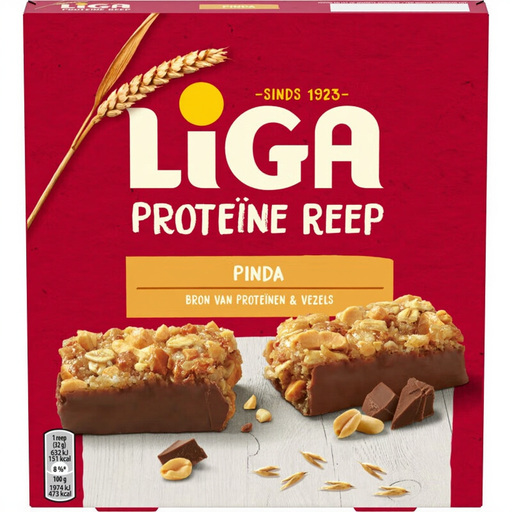
Why this fits the profile: This 160g pack is practical for anyone wanting to try a protein bar for the first time and looking for a familiar cereal and peanut flavour.
The product information clearly states 15g of protein and 24g of sugar per 100g. This shows you that it’s not a low-sugar protein bar, but rather a regular snack with added protein.
A source of protein and fibre according to the product description; contains roasted peanuts and oat flakes.
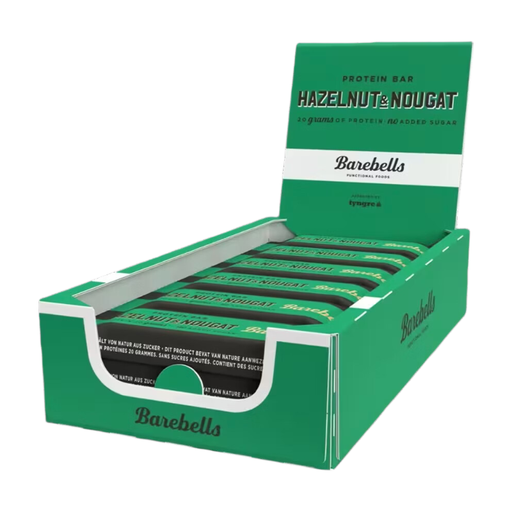
Why this fits the profile: A multipack with 55g portions is ideal for regular workout sessions, office hours and keeping a stock at home.
The product details list 20g of protein, 1.4g of sugar and 2.9g of fibre per bar. Do check the warning about polyols and the allergens on the packaging.
20g of protein per 55g; 12 individually wrapped bars and a soft texture according to the product description.
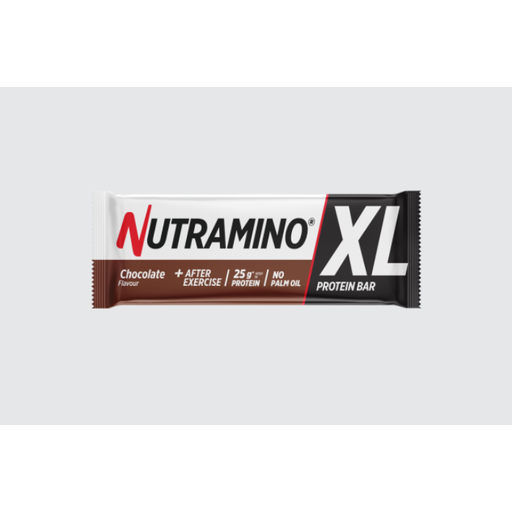
Why this fits the profile: The large 74g portion is aimed at active users who also want to take in carbohydrates after exercise.
The nutritional information is listed both per 100g and per bar: 25g of protein, 30g of carbohydrates and 19g of sugar per bar. This makes the relatively large serving size clearly visible.
25g of protein per bar; soft centre with crunchy soya pieces and a milk chocolate coating according to the product description.
We’ve put together a full, up-to-date list of products that fully meet these strict selection criteria and comply with current European safety regulations.
That depends on your overall diet and your schedule. A bar can be practical when you can’t have a regular meal straight away. Choose a serving where the protein content, calories and carbohydrates match your needs. The product information from some brands mentions use after exercise, but that isn’t personal dietary advice.
Not automatically. Also compare the amount of calories, fats, fibre, sweeteners and polyols. A low sugar content can go hand in hand with a sweet taste from maltitol or other sweeteners. If you’re sensitive to certain ingredients, the full packaging is more important than the marketing text.
The best-before date is on the packaging. Store bars in a dry, cool place away from direct sunlight, unless the manufacturer gives different instructions. Check the packaging for damage and after opening, look out for changes in smell, texture or taste. When in doubt, it’s best not to use the bar.
