
Vandaag of morgen in huis

Kwaliteit gegarandeerd

Welkomstaanbiedingen ontgrendelen: GRATIS bezorging | Tot 80% korting | Gratis 30 dagen JoyPlus-proefperiode
Download de app
Protein bars seem like the perfect solution: a quick, easy, and nutritious snack for on-the-go, after a workout, or as a healthy treat. But on a shelf packed with shiny wrappers and bold claims, it's hard to separate the wheat from the chaff. In reality, many bars are just glorified candy bars with a little extra protein.
As a Joybuy Product Recommendation Officer, I'm here to help you cut through the marketing hype. We'll look at the facts so you can make a choice that aligns with your goals and avoids unnecessary sugars or fillers. Let's uncover the three most common pitfalls when buying protein bars.
To avoid wasting money on a disappointing purchase, there are a few objective specifications you should always check. You'll find these on the back of the package, not the front.
This is perhaps the most important metric. A good protein bar has a clear balance. A simple rule of thumb: the amount of protein in grams should be significantly higher than the amount of sugar. Bars specifically designed as a snack for athletes and for muscle recovery nutrition often have over 20 grams of protein and less than 5 grams of sugar. For a general healthy snack, a ratio of, for example, 15 grams of protein to 8 grams of sugar is already a reasonable step up from a cookie or candy bar.
A short, easy-to-understand ingredients list is often a good sign. Look at the source of the protein.
Pay attention to the order: the first ingredient listed is the most abundant. If sugar or syrup is at the top, you know enough.
A protein bar is a snack, not a full meal. Most bars are between 180 and 250 kcal. If you're looking for a bar to curb your hunger, also pay attention to the amount of fibre. Fibre contributes to a feeling of fullness and is good for digestion. Low-sugar bars with a higher fibre content are often a smarter choice.
Not everyone has the same needs. That's why we've highlighted a few popular choices that fit different profiles, based on their product specifications.

Why This Fits Their Persona: Specifically designed for maximum muscle recovery. With a very high protein dose and minimal sugar, this is a functional bar for after a tough workout, when your body needs those building blocks the most.
This bar completely bypasses the 'sugar trap' with just 0.7 grams of sugar per 50-gram bar, while its 25-gram protein content is extremely high. The focus is purely on function.
Exceptionally high protein-to-sugar ratio (50% protein per 100g). Effectively supports muscle recovery and fits into a calorie-restricted diet.

Why This Fits Their Persona: A balanced choice for those seeking a healthy snack that also tastes great. The added vitamins make it a functional snack for an active lifestyle, without focusing purely on athletic performance.
Delivers a solid 20 grams of protein per bar with low sugar. It tackles the 'empty calories' pitfall by adding nine different vitamins, giving the bar more nutritional value.
Rich in protein (approx. 37g per 100g) and fortified with vitamins. A nutritious snack that satisfies sweet cravings without causing a sugar crash.
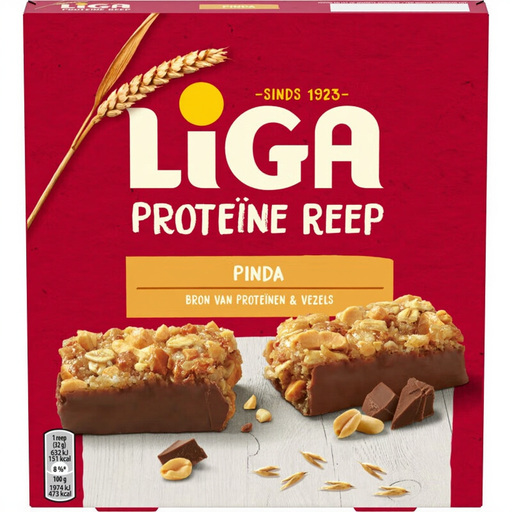
Why This Fits Their Persona: An accessible and often budget-friendly option for those new to protein-rich snacks. It offers a familiar taste from a trusted brand, but with an extra dose of protein as a stepping stone to more mindful snacking.
While its sugar content (24g per 100g) is higher than that of performance bars, its 15g of protein per 100g offers better nutritional value than a standard granola bar. It's a conscious first step, not the final destination.
Source of protein and fibre. An affordable and approachable alternative to traditional, high-sugar snacks from the supermarket.
We've compiled a complete, up-to-date list of products that meet these selection criteria and comply with current regulations.
That depends on your goal. For muscle recovery nutrition, it's ideal to eat a bar within 30-60 minutes after your workout. The protein will help your muscles repair and grow. Are you using it as a healthy snack to curb hunger? Then you can have it at any time of day, for example, between lunch and dinner, to prevent you from reaching for unhealthier snacks.
Generally, no. A protein bar is a supplement and a snack, not a replacement for a complete, balanced meal. A meal provides a much broader range of nutrients, such as complex carbohydrates, healthy fats, vitamins, and minerals, which you won't find all in one bar. Think of it as a convenient supplement, not a structural replacement.
Low-sugar bars often use polyols (sugar alcohols) to maintain a sweet taste without adding sugar. You can recognize them on the ingredients list by names ending in "-ol," such as maltitol, sorbitol, or erythritol. Although they are deemed safe by the EU, excessive consumption can lead to bloating or a laxative effect in some people. This is often stated as a warning on the packaging. It's a personal choice; if you notice you're sensitive to them, choose a bar with a different sweetener or one that is naturally less sweet.
