
Vandaag of morgen in huis

Kwaliteit gegarandeerd

Welkomstaanbiedingen ontgrendelen: GRATIS bezorging | Tot 80% korting | Gratis 30 dagen JoyPlus-proefperiode
Download de app
A protein bar might seem like a straightforward choice: a quick, high-protein snack for on the go or after a workout. However, the market is flooded with options that don't always deliver on their promises. Many bars are just glorified candy bars with clever marketing. As a Product Recommendation Officer at Joybuy, I'm here to help you separate fact from fiction, so you can make a choice that aligns with your goals and budget.
Before you buy a box of protein bars, it's important to be aware of a few common deceptions. This will prevent you from paying for sugar and fillers instead of high-quality protein.
To make an informed choice, focus on a few objective criteria. These specifications tell you what you're really getting.
The most important factor is the ratio of protein to sugar. An effective low-sugar protein bar should ideally contain:
This ratio ensures you're getting a functional, high-protein snack instead of a sugar bomb. Bars that meet these criteria support muscle recovery and provide a feeling of satiety without causing a sugar crash.
The quality of the protein source is crucial. The most common sources are:
Check the ingredients list. Are whey or casein protein (or a blend) listed at the top? Then you're usually in good shape. A low-carb bar will also contain few net carbs, which often means fibres and polyols are used. Check the amount of polyols if you are sensitive to them.
Based on objective product specifications, we have selected a number of popular choices that suit different needs.

Why This Fits Their Persona: For those who want a protein bar that tastes like a treat but has the nutritional profile of a serious snack. The authentic OREO flavour makes this a popular choice for satisfying a sweet tooth.
This bar bypasses the "hidden sugar" pitfall by delivering a rich flavour with only 1 gram of sugar per bar.
Contains 21 grams of protein per bar and real OREO cookie pieces for an authentic taste experience.
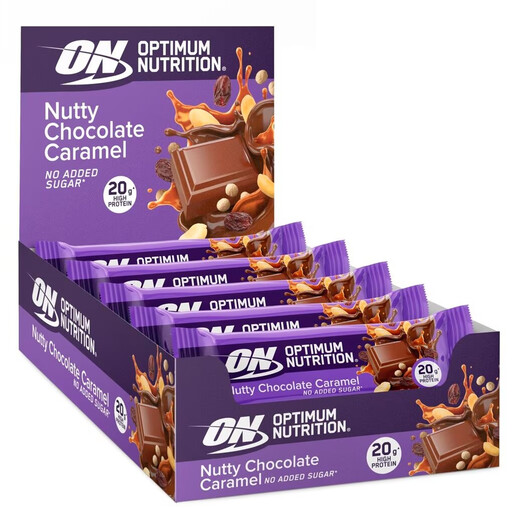
Why This Fits Their Persona: For the serious athlete focused on functional nutrition. This bar from a well-known sports nutrition brand delivers a solid dose of protein with no added sugars, aimed at muscle maintenance.
This bar avoids the "empty protein" pitfall by using a blend of protein sources, including micellar casein, which is known for its slow-release properties.
Delivers 20 grams of protein per bar and contains no added sugars. Suitable for vegetarians.
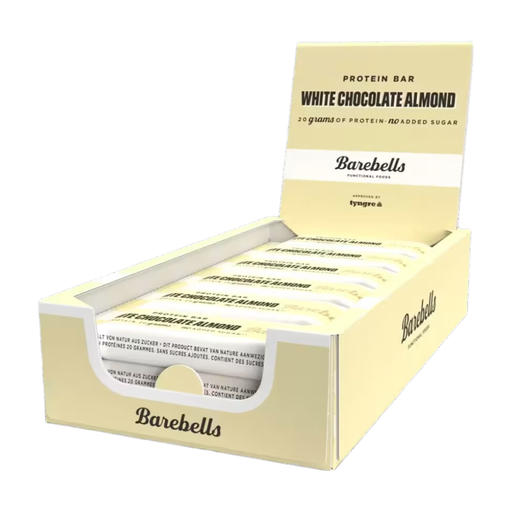
Why This Fits Their Persona: Ideal for anyone following a low-carb diet. Barebells is renowned for combining a smooth, rich taste with a very low sugar content, making it a popular low-carb bar.
This bar tackles the "taste above all else" pitfall by offering a luxurious flavour without an excess of sugar or net carbs, which is often a challenge for low-carb products.
Delivers 20 grams of protein with only ~1 gram of sugar per bar. Its soft texture is praised by many users.
We have compiled a complete, up-to-date list of products that fully meet these strict selection criteria and all relevant regulations.
A protein bar is versatile. You can eat one:
Generally, no. While a protein bar is a good source of protein, it lacks the variety of vitamins, minerals, and fibre that a complete meal provides. See it as a supplement to a balanced diet, not as a regular replacement for a meal.
This is often caused by sugar alcohols (polyols) such as maltitol, xylitol, or sorbitol. These sweeteners are used to keep the sugar content low, but in excessive amounts or in sensitive individuals, they can have a laxative effect or cause bloating. If you experience this, choose bars that are sweetened with stevia, for example, or that contain a lower amount of polyols.
