
Vandaag of morgen in huis

Kwaliteit gegarandeerd

Welkomstaanbiedingen ontgrendelen: GRATIS bezorging | Tot 80% korting | Gratis 30 dagen JoyPlus-proefperiode
Download de app
As a Joybuy Product Recommendation Officer, I see people feeling overwhelmed by their options every day. The protein bar aisle is a perfect example: the packaging vies for your attention, but what are you really buying? A convenient post-workout snack, or a glorified candy bar?
Before you fill your shopping cart, it's wise to understand the most common pitfalls. Many bars aren't what they seem, and a little knowledge can help you avoid a bad purchase.
You don't need to be a nutritionist to make a good choice. Just pay attention to a few simple, objective specifications. This will help you see through marketing claims and find a protein bar that truly fits your needs.
The nutritional value is the most important factor. A good guideline for a functional bar is:
A shorter ingredient list is often a good sign. The first few ingredients determine the quality.
Not everyone has the same needs. That's why we've highlighted a few popular choices that suit different lifestyles and goals.
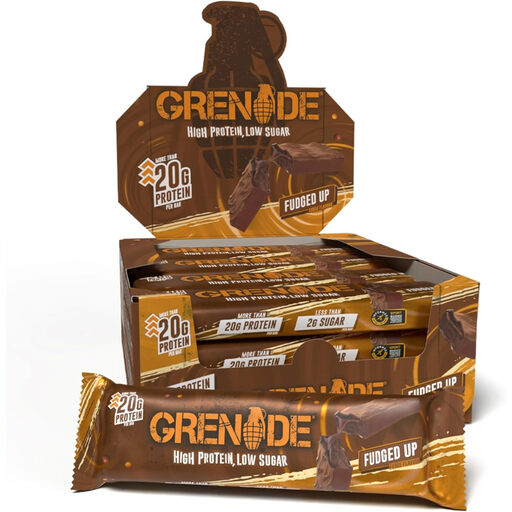
Why This Fits Their Persona: For those who refuse to choose between a treat and functional nutrition. The bars from Grenade are known for their layered structure, reminiscent of a premium chocolate bar, but with the nutritional values to match an active lifestyle.
This bar directly tackles the 'texture disappointment'. The combination of a soft core, caramel, and chocolate pieces ensures a pleasant eating experience, making it something you actually look forward to.
Delivers 20 grams of protein per bar with only 1.7 grams of sugar. According to the manufacturer, the product is Informed-Sport certified, meaning it has been tested for banned substances.
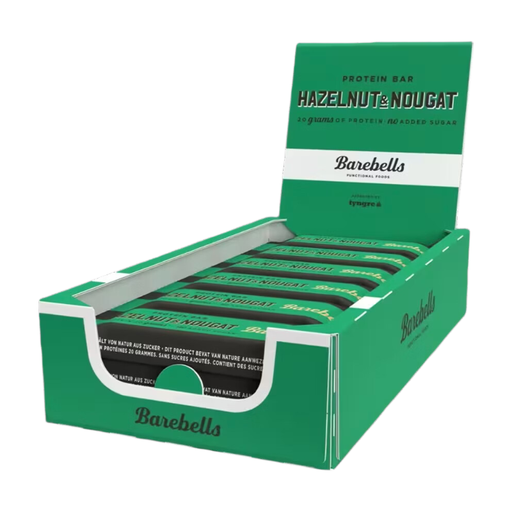
Why This Fits Their Persona: Ideal for anyone looking for a low-carb snack without compromising on taste. Barebells is popular with people who strictly limit their sugar intake but still want to enjoy a soft, filling bar.
This bar bypasses the 'healthy snack' trap by offering an excellent macro ratio. It's not a hidden sugar bomb, but a purposeful snack that fits within a diet.
Contains 20 grams of protein per 55-gram bar, with less than 2 grams of sugar. The soft, chewy texture is often considered a major plus compared to harder bars.

Why This Fits Their Persona: For the athlete seeking a reliable, functional bar from an established brand. Optimum Nutrition is a well-known name in the world of sports nutrition, and this bar delivers what it promises: a solid dose of protein with a crispy coating.
This bar tackles the 'hidden sugars' trap. According to the manufacturer, there are no added sugars, so the sweetness comes from sweeteners, keeping the bar functional for recovery without unnecessary calories.
Delivers 20 grams of protein per bar. The unique, crispy texture offers a welcome change from the common soft bars and provides a satisfying 'bite'.
We have compiled a complete, up-to-date list of products that meet these selection criteria and current regulations.
Generally, no. Most protein bars are designed as a snack to increase protein intake or for muscle recovery. A true meal replacement contains a broader spectrum of nutrients, including vitamins and minerals, in a specific ratio. While a larger, more calorie-dense bar can occasionally bridge a meal, it cannot structurally replace a complete, balanced meal.
This depends entirely on your overall diet and activity level. For most people, one bar per day is a fine supplement. It's important to remember that bars are a supplement, not a primary source of nutrition. Excessive consumption can lead to a high calorie intake or, as mentioned earlier, digestive issues due to polyols. Consult the packaging for the manufacturer's recommendation.
While they all offer high-quality protein bars, each has its own focus:
