
Vandaag of morgen in huis

Kwaliteit gegarandeerd

Welkomstaanbiedingen ontgrendelen: GRATIS bezorging | Tot 80% korting | Gratis 30 dagen JoyPlus-proefperiode
Download de app
Buying a helmet, goggles or a set of protectors may seem straightforward. Yet many consumers focus mainly on colour, price or marketing terms such as “impact-resistant”, while fit and certification are more important. The right protective sports equipment helps you avoid a poor purchase and choose a product suited to your activity.
This guide helps adults, commuters, mountain bikers, skaters, inline skaters, motorcyclists and parents compare products including cycling helmets, children’s helmets, cycling glasses, knee and elbow protectors, and body protection for motorcyclists.
An adjustable strap does not automatically make a product suitable for every head or body. A helmet that wobbles may shift during a fall. Protectors that are too loose may not cover the correct joints. Therefore, always check the stated head circumference, body measurements and size range.
A cycling helmet should sit low and level on the head. The chin strap should fit snugly without pinching. For children, “they will grow into it” is not a good reason to buy an oversized children’s helmet.
Terms such as “professional”, “heavy duty” or “shockproof” mean little on their own. Look for a specific standard or test reference that applies to the sport. For cycling, skateboarding and inline skating helmets, EN1078 is a relevant European standard. A motorcycle protective vest requires different protection levels and application information from skateboard protection.
According to the product description, the ACTION PW-905 helmet has been tested in accordance with EN1078 and is CE-certified. Always check the current product information, markings and usage restrictions when buying.
Knee and elbow protectors for children are designed for activities such as cycling, skating and skateboarding. They are not automatically suitable for motorcycling or high speeds. Conversely, a motorcycle protective vest may be too heavy or too warm for everyday inline skating.
Pay attention to the stated scenarios, materials, fastening system and the manufacturer’s warnings. Protective equipment does not replace traffic regulations, supervision or appropriate riding behaviour.
Measure yourself before ordering:
A click fastening, adjustment dial or hook-and-loop fastening can fine-tune the fit. After putting the protection on, check that it does not twist, slip down or restrict your freedom of movement.
Many cycling helmets combine a PC outer shell with EPS foam. In an in-mould construction, these layers are bonded together. The DKONI HS-062 lists a PC shell, EPS inner layer, 17 ventilation openings and a weight of approximately 380 grams. According to the product information, size L is suitable for a head circumference of 56 to 61 cm.
For children’s protectors, a hard PP shell, a PE foam layer and adjustable straps are practical specifications. For glasses, a PC lens, a stable frame and non-slip components are relevant. The Revoray X3 lists a TR90 frame, an integrated PC lens, a weight of approximately 30 grams and UV400 protection. According to the product description, the lens blocks UVA, UVB and UVC radiation; this is a claim made in the brand’s product information.
Ventilation openings help limit heat build-up during longer rides. A visor can keep sun, rain, mud or branches out of your field of vision, but must not restrict your view. Cycling glasses or sports sunglasses should stay firmly in place in wind and while moving.
For commuting, visibility and easy maintenance are also important. A helmet with a rear light can help you stand out, but it does not replace bicycle lighting required by traffic regulations. Also check that components such as a rechargeable light, magnetic goggles or a visor are securely attached.
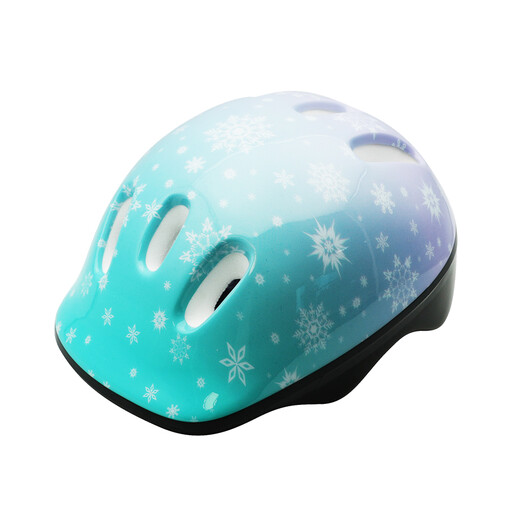
Why it suits this profile: This children’s helmet is designed for cycling, skating and other wheeled activities. The built-in adjuster makes it easy to adapt for children who regularly switch between activities.
The product information states that it has been tested to EN1078 and is CE-certified, rather than relying only on general protection claims. The size must still be adjusted correctly before use.
PC outer shell, EPS inner layer, adjustable head circumference and 1 product in the package.
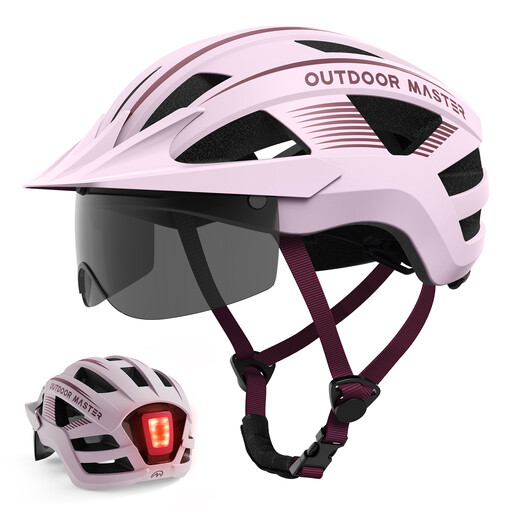
Why it suits this profile: Designed for adult cyclists, e-bike users, mountain bikers and commuters who want to use one helmet in a range of weather conditions.
The product description mentions CPSC and ASTM certification, an adjustable dial system and a size range of 58 to 61 cm. Check the markings on the product supplied.
17 ventilation openings, detachable goggles, removable visor and a rechargeable rear light via USB-C.
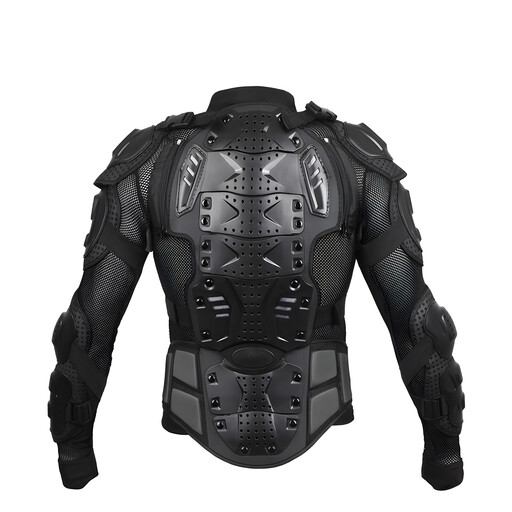
Why it suits this profile: This body protection for motorcyclists is designed for off-road riding, motocross, enduro and other activities where additional protection for the chest, back, shoulders and elbows is desirable.
The protection can be adjusted using shoulder straps, sleeves and a hook-and-loop waist strap. The manufacturer recommends a close fit; a loose jacket may shift.
PE outer shells, EVA padding, breathable mesh material and removable protective components.
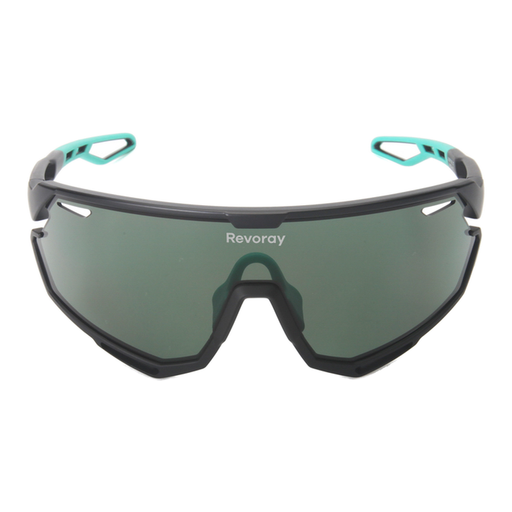
Why it suits this profile: A practical choice for road cyclists, mountain bikers and outdoor enthusiasts looking for lightweight cycling glasses with a wide lens and a secure fit.
The product information lists specific materials, dimensions and a weight of approximately 30 grams. The fit is described as medium to large, so it must suit your face.
TR90 frame, integrated PC lens, UV400 rating, rubber nose pad and non-slip earpieces.
We have put together a complete, up-to-date list of products that fully meet these strict selection criteria and the applicable European safety regulations.
Inspect protective sports equipment before every use. Look for cracks, loose seams, deformed shells, worn hook-and-loop fastenings and damaged straps. A helmet should be replaced after a significant impact, even if there is little visible damage on the outside.
Clean helmets and glasses with a soft, damp cloth. Do not use harsh chemicals. According to the product information, children’s protectors with a PP shell and PE foam can be wiped with a damp cloth and left to air-dry. Removable parts of a motorcycle protective vest can be hand-washed if the care instructions allow it.
The helmet should sit level and securely on your head. First adjust the dial system or size strap, then fasten the chin strap. When moving or gently shaking your head, the helmet should not shift noticeably. Measure your head circumference before choosing a size.
Replace a helmet after a serious fall or clear impact. Visible cracks, a loose inner layer, damaged straps or a fastening system that no longer works properly are also reasons to stop using the product. In addition, follow the manufacturer’s instructions.
Not as standard. According to their product descriptions, children’s protectors for cycling, skateboarding, inline skating and skating are intended for those activities. For motorcycling, you need a motorcycle protective vest or specific body protection suited to the speed, riding position and conditions of use.
