
Vandaag of morgen in huis

Kwaliteit gegarandeerd

Welkomstaanbiedingen ontgrendelen: GRATIS bezorging | Tot 80% korting | Gratis 30 dagen JoyPlus-proefperiode
Download de app
A fall on tarmac, sand or a forest trail calls for more protection than just a sturdy jacket. Yet protective motorcycle clothing is often bought based on its appearance, low price or broad marketing claims. This can result in clothing that shifts out of place, gets too hot or leaves important parts of your body exposed.
As a Joybuy Product Recommendation Officer, I focus on information you can verify: the areas protected, materials, fit, adjustability and care. Below, you’ll find what to look for in motocross protection, protective motorcycle trousers or a protective motorcycle jacket.
Protectors only work where they’re meant to. A motorcycle body protector or pair of trousers that’s too loose can shift during a fall. A fit that’s too tight restricts your movement and makes longer rides uncomfortable.
So don’t just look at S, M, L or XL. Check the size chart and compare the chest, waist, hip and leg measurements with your own. Adjustable shoulder straps, waistbands, zips and hook-and-loop fastenings are useful if you wear a base layer underneath.
Terms such as “impact-resistant” or “anti-fall” don’t tell you much on their own. Check which materials are actually listed. A combination of PE or PP hard shells, EVA foam and a breathable mesh layer gives you more information than a general safety claim.
Also check exactly which areas are protected: does the clothing cover just your knees, or your hips and thighs too? Does a motorcycle back protector have a clearly defined shape, and does it stay in place? According to the product descriptions for the models featured here, the protectors are designed for specific parts of the body; this doesn’t guarantee injury prevention.
Breathable fabric, stretch panels and ventilation openings can make clothing more comfortable to wear. They don’t replace well-fitting hard or shock-absorbing protectors. Conversely, heavier clothing isn’t automatically more suitable. For off-road motorcycle gear, it’s important to balance coverage, freedom of movement and ventilation.
Also check that the clothing is designed for your activity. Protection for dirt biking, enduro and motocross may allow for different movement patterns from a jacket for commuting. For protective mountain biking clothing or skateboarding, knee, wrist and elbow protection is often more important than a long motorcycle jacket.
Start with a simple checklist:
A separate knee protector isn’t the same as a pair of protective motorcycle trousers with integrated protection for the hips, thighs and knees. If you mainly ride on unpaved trails, you may benefit from combining a motorcycle body protector with protective trousers.
Product information often lists the following materials:
Check whether a product displays a CE marking and, where applicable, cites a relevant EN standard. Not every online product description includes this information. If no standard is mentioned, treat general safety claims with caution and ask for more information if needed.
Protectors can crack, become misshapen or stop fitting properly after a heavy impact. Inspect them before every use. According to the care instructions for the clothing below, remove detachable protectors before washing. Hand-wash in cold water with mild detergent, leave to air-dry and keep away from heat sources.
Replace clothing if the seams split, shells become misshapen or fastenings no longer stay secure. Washability and ease of care also affect the cost of using the clothing over the longer term.
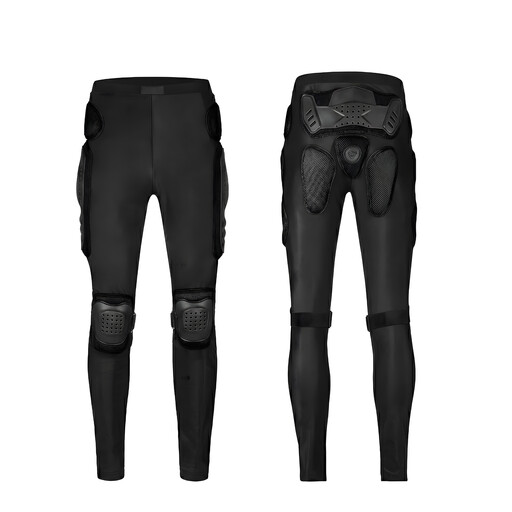
Why it suits this type of user: These trousers are designed to protect your hips, thighs and knees. They’re a good option if you want to get started with motocross, dirt biking or mountain biking using one item of clothing.
The product description lists separate protectors for the hips, thighs and knees, plus stretch mesh trousers. Do check that size M fits your measurements.
PP hard shells, EVA foam and breathable mesh; weight according to the specification: approximately 0.56 kg.
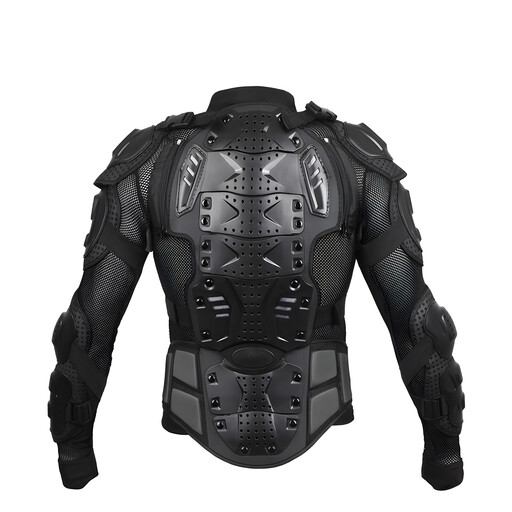
Why it suits this type of user: A good choice for riders who want to combine chest, back, shoulder and elbow protection in one protective motorcycle jacket.
The jacket has adjustable shoulder straps, a wide waistband and a combination of zip and hook-and-loop fastening. This lets you adjust the fit more precisely than with clothing that has a fixed fit.
Removable back, chest, shoulder and elbow pads; breathable mesh with ventilation openings at the chest.
Why it suits this type of user: This version is designed for adults who need extra room while riding enduro, motocross or dirt bikes, or on longer off-road rides.
The trousers use stretch fabric and adjustable fastenings. Still, check that the protectors sit precisely over your hips, thighs and knees; a larger size shouldn’t fit loosely.
PP hard shells and EVA foam; the specification lists a weight of approximately 0.60 kg and says the trousers are unisex and designed for adults.
We’ve put together a complete, up-to-date list of products that meet these strict selection criteria and the applicable European safety regulations.
That depends on the route and how you assess the risks. A body protector mainly protects your upper body. For extra coverage, you could also wear protective motorcycle trousers, knee and hip protectors, gloves, sturdy boots and a well-fitting helmet.
Replace protectors after a heavy impact if you notice cracks, deformation or seams coming loose. Regular checks are a good idea even if you haven’t had a fall. Always follow the manufacturer’s care instructions and store the clothing somewhere dry, away from direct sunlight and heat sources.
Some models are described as suitable for mountain biking, skateboarding, skating and other outdoor sports. Do check that the fit and protective zones are right for your activity. A motorcycle jacket, for example, may be too warm for strenuous cycling, while separate knee and elbow pads can give you more freedom of movement.
