
Daylight viewer
Wants to watch silent films while keeping the living room bright. So consider the light falling on the screen, the stated brightness and your choice of screen. Epson Netherlands covers these points in its projector buying guide, too.


First, choose a setup that limits the light reaching the screen, then compare the stated brightness, screen and available projection distance. For silent films, visible shadow detail and an undistorted aspect ratio matter more than gaming features. An ALR screen can help with the right type of ambient light, but it places demands on positioning and viewing angle.
Wants to watch silent films while keeping the living room bright. So consider the light falling on the screen, the stated brightness and your choice of screen. Epson Netherlands covers these points in its projector buying guide, too.
Wants to preserve black-and-white detail and the original aspect ratio rather than stretching the picture. The BFI describes 4:3 as a common aspect ratio for early 35mm material.
Has little distance between the projector and screen, or no central spot for the projector, and therefore compares throw ratio, zoom and lens shift. BenQ Netherlands and Epson Netherlands list these positioning features for the TK705STi and EH-TW7000 respectively.
Start by considering the ambient light and the projector-and-screen combination. Then check that the projection distance and aspect ratio suit your room and film copies.
| What to consider | What should you look for? | Who is it relevant to? |
|---|---|---|
| Visibility in ambient light | Check where light from windows and lamps falls on the screen. Compare stated brightness using the same measurement basis, and take into account the viewing angle of any ALR screen. | If I want to watch during the day without darkening the room, I want scenes and intertitles to remain visible. Around 36% of consumers prioritise visibility in ambient light. |
| Black-and-white contrast | Assess both dark and light scenes from your intended seating position. Don’t treat a stated contrast ratio as a measurement of how the picture will look in your room. | If I mainly watch black-and-white films, I want to be able to distinguish dark details and intertitles. Around 29% of consumers put black-and-white contrast and shadow detail first. |
| Projection distance and alignment | Measure the distance from the lens to the screen and the desired picture width. Compare these measurements with the throw ratio and the optical zoom or lens shift options of your chosen model. | If the projector only fits in a limited number of places, I want to be sure the picture will be the right size from that spot. Around 21% of consumers say positioning is their main buying concern. |
| Film format and readability | Check that your player and projector preserve the aspect ratio of the specific film copy. Also check whether you can read the intertitles from your seat. | If I want to watch old films without distortion, I want to preserve the original aspect ratio, even if the picture doesn’t fill the entire widescreen. Around 14% of consumers prioritise faithful reproduction of the original format. |
ProjectorCentral notes that screens can vary in viewing angle, image artefacts and installation requirements. Epson Netherlands recommends 2,500–3,500 lumens for living rooms with some ambient light. This is manufacturer guidance, not a guarantee of how the picture will look in your room.
The projector’s brightness doesn’t tell you how much ambient light falls on the screen or how much contrast you’ll see from your seat.
Assess the projector and screen as a complete setup, and see whether you can limit the light reaching the screen.
A separate screen or adjustments to the incoming light may need to be part of your setup.
Screens can vary in viewing angle, image artefacts and installation requirements. A higher gain can also reduce the usable viewing angle.
Check that the screen specifications suit the direction of the light, the projector position and your seating arrangements.
An unsuitable choice may mean you need to reconsider your screen or positioning.
Stretching can distort the original proportions of much early film material.
Preserve the aspect ratio of the specific film copy, even if that leaves parts of the widescreen blank.
The TK705STi is worth considering if you have limited projection distance and want to compare stated brightness.
The EH-TW7000 is worth considering if you’re looking for more optical positioning options.
The PX749-4K is an option to compare if stated brightness and optical zoom are important to you.
The H6815P may be worth comparing if the model suits your planned setup.
This selection includes video projectors, including short-throw models. Check each model to make sure its listed connections, aspect ratio and positioning options suit your films and room.
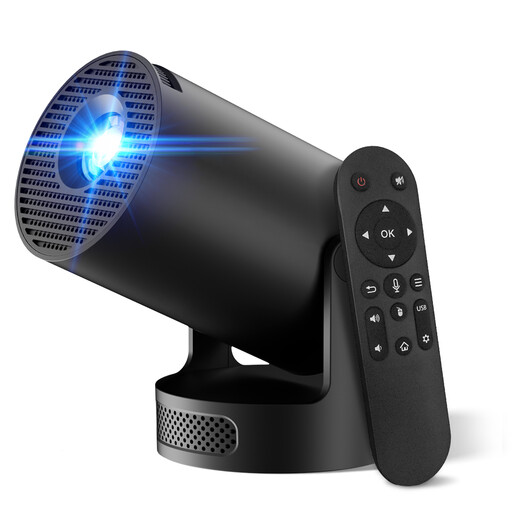 No image available
The product title mentions automatic image correction and digital zoom. Check that the listed connections and picture settings suit your source and screen.
The title lists Wi-Fi 6, Bluetooth, 50–200 inches, 50%–100% digital zoom and 180° rotation. Listed connections include HDMI and USB.
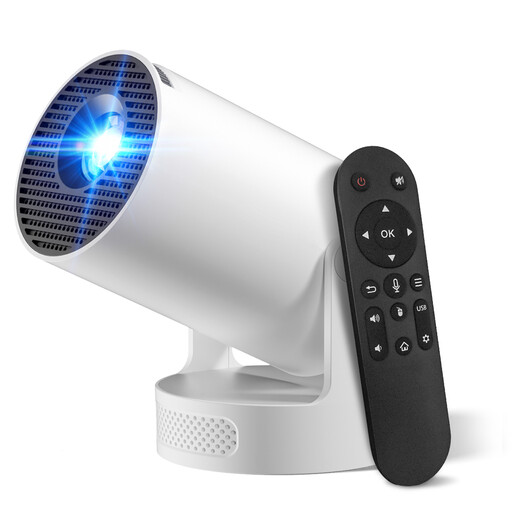 No image available
The product title mentions automatic image correction and digital zoom. Check that the listed connections and picture settings suit your source and screen.
The title lists Wi-Fi 6, Bluetooth, 50–200 inches, 50%–100% zoom and 180° rotation. Listed connections include HDMI and USB.
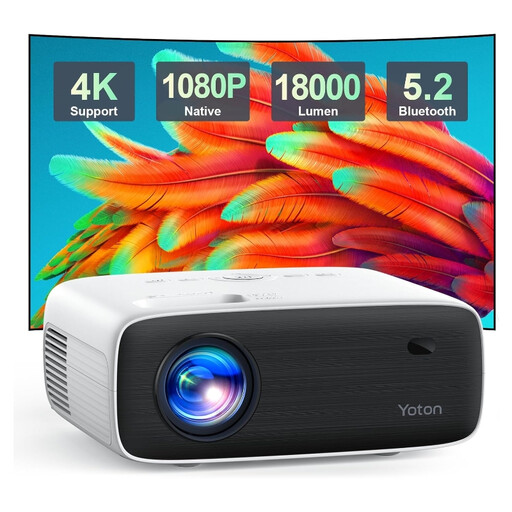 No image available
The title lists native 1080P. Check that this resolution suits your source and the picture format you want to use.
The product title lists Bluetooth 5.2.
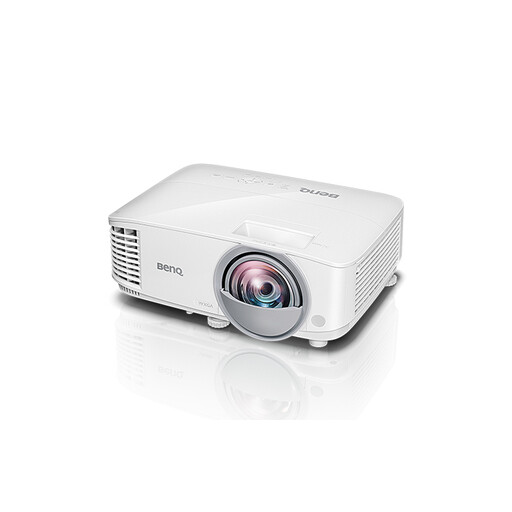 No image available
The short-throw specification suits a setup with limited projection distance. Check the desired picture width from your planned position.
The product information lists 3600 ANSI lumens, DLP, XGA (1024×768) and a 4:3 aspect ratio.
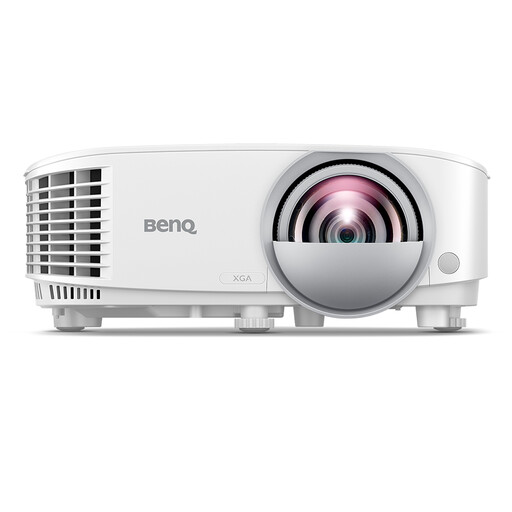 No image available
The short-throw specification suits a setup with limited projection distance. Check the desired picture width from your planned position.
The product information lists 3500 ANSI lumens, DLP, XGA (1024×768) and a 4:3 aspect ratio.
No, not on its own: the room and the light reaching the screen matter, too. An ALR screen can help when the direction of the ambient light and your seating positions suit the screen. Epson Netherlands’ buying guide recommends 2,500–3,500 lumens for living rooms with some ambient light. This is manufacturer guidance, not a universal minimum or a guarantee for your room.
Keep the aspect ratio of the film copy you’re using instead of automatically stretching the picture to fit a widescreen. 4:3 was common for much early 35mm material, but check the format of the specific copy. The BFI describes this historical aspect ratio.
Check whether you need a separate screen and what type of light source your chosen model uses. For example, Epson states a lamp life of 5000 hours in Eco mode for the EH-TW7000; this doesn’t guarantee how long an individual lamp will last. According to ACM ConsuWijzer, if a product breaks sooner during normal use than you could reasonably expect, the seller must put it right free of charge.
Yes. Applicable safety and interference rules apply to electrical and electronic equipment. CE marking is mandatory when a product falls within a designated CE product group. The Dutch government’s Ondernemersplein website explains these obligations. The precise rules depend in part on the device and any wireless features. These are requirements for placing a product on the market, not a separate permit for normal home use.
For an online consumer purchase, you generally have a statutory cooling-off period of up to 14 days after delivery, subject to legal exceptions. ACM ConsuWijzer explains this cooling-off period. Check the terms for trying out and returning the product before you buy.