
Viewers in a bright living room
You want to watch opera recordings while daylight or other ambient light still reaches the screen. So consider not just the projector, but also the screen and the light in your viewing area.


Start by considering the light where you’ll be projecting and the distance available in your living room. Then compare the projector’s brightness with the screen and projection direction. For opera, resolution, audio connections and fan noise matter too: high brightness or a built-in speaker alone won’t guarantee good contrast or convincing musical reproduction.
You want to watch opera recordings while daylight or other ambient light still reaches the screen. So consider not just the projector, but also the screen and the light in your viewing area.
You want to make out the costumes and scenery, and hear the singing through a suitable sound system. Connections and stated noise levels can help you narrow down your options, but they don’t tell you how a projector will sound in your living room.
You can’t simply place the projector anywhere. Measure your preferred screen width and the available distance, then compare these with the model’s throw ratio and positioning options.
| What to consider | What should you look for? | Who should pay extra attention? |
|---|---|---|
| Visibility in ambient light | Check the light on the screen wall at the time you usually watch. Compare the stated brightness and choose a screen suited to the projection direction. | If I watch during the day and can’t fully darken the room, I want to know whether the whole setup will work with the light in my living room. Around 31% of consumers prioritise visibility in ambient light. |
| On-stage detail | Compare the stated resolution with your source recording and preferred picture size. A 4K label alone doesn’t tell you how visible the picture will be in ambient light. | If I want to make out faces, costumes and scenery, resolution matters alongside screen size and the light in the room. Around 25% of consumers put on-stage detail at the top of their buying priorities. |
| Music and projector noise | Check that the audio connections work with your existing equipment. Look at noise ratings for each operating mode; they’re no substitute for listening in person. | If you want to hear the singing and orchestra through a suitable sound system, consider whether fan noise will be noticeable during quieter passages. Around 25% of consumers prioritise music and quiet listening. |
| Distance and positioning | Measure the distance to the wall and your preferred screen width. Check the throw ratio and whether zoom or lens shift will work with your setup. | If the space available determines how I can install the projector, I want to know in advance whether it can create the picture I want from that position. A setup that fits is the top buying priority for around 19% of consumers. |
A brightness figure alone doesn’t tell you how much contrast you’ll see in a bright living room. The screen and the light on the projection wall also affect the setup.
Assess the projector, screen and light levels together. A screen suited to the projection direction may need to be bought separately.
Screens designed to reject ambient light are made for specific projection directions and throw ratios. A screen that works with one type of projector won’t necessarily suit another.
Before ordering a screen, check that it suits the exact model’s throw ratio and projection direction.
If the screen isn’t compatible, you may need to choose or replace it with another one.
The Epson EB-W53 combines a stated brightness of 4,000 lumens with WXGA resolution and a 2 W mono speaker. That’s a different set of trade-offs from the 4K models described here.
Consider visibility, on-stage detail and your preferred audio setup separately before choosing a model.
If you want more from the built-in audio, you may need extra equipment for an external sound system.
Epson offers examples of both ultra-short-throw laser projection and a bright WXGA home lamp projector.
The TK705i is a conventional 4K home projector; BenQ also provides guidance on choosing a screen for ambient light.
The LX700-4K is a standard laser projector worth comparing if you’re considering 4K, positioning and an external audio connection.
The UHZ58LV is a standard dual-laser 4K option to compare if you need flexible installation options and separate audio connections.
These projectors on Joybuy are for shoppers comparing models for watching opera recordings at home. For each model, check that the stated resolution, brightness, connections and positioning suit your room.
 No image available
An option to compare if you’re looking for 4K UHD projection and built-in speakers.
The product description lists 3,500 lumens, 4K UHD and two 15 W speakers. It also gives details of the throw ratio, optical zoom and noise levels.
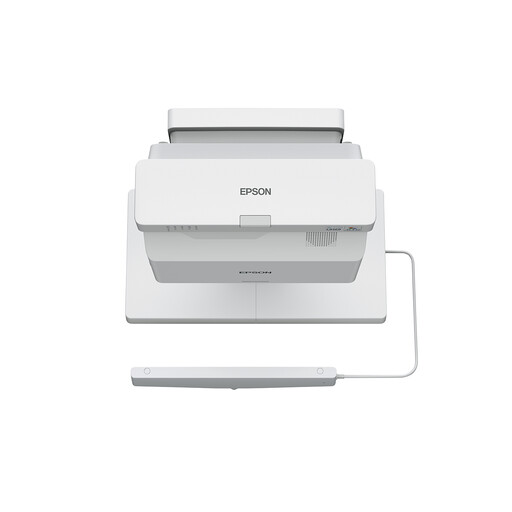 No image available
An ultra-short-throw model to consider if you want to position the projector close to the screen wall.
The product name lists 4,100 ANSI lumens, 3LCD and WXGA (1280 × 800). The description mentions a laser light source, autofocus and keystone correction. WXGA isn’t 4K.
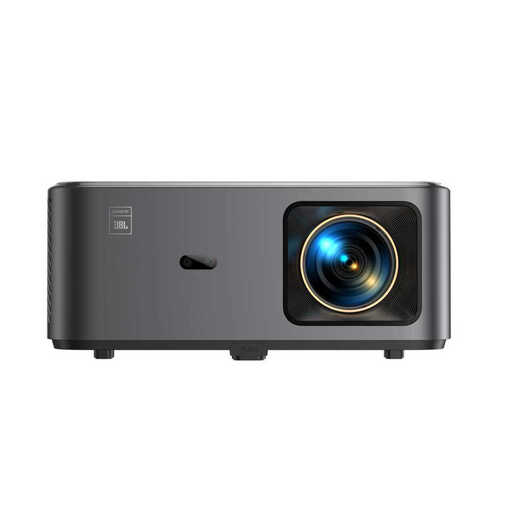 No image available
A model to compare if you’re looking for a home entertainment projector with built-in stereo sound.
The product description lists native 1080p with 4K support, Wi-Fi 6 and two 10 W JBL speakers. The native resolution is 1080p, not 4K.
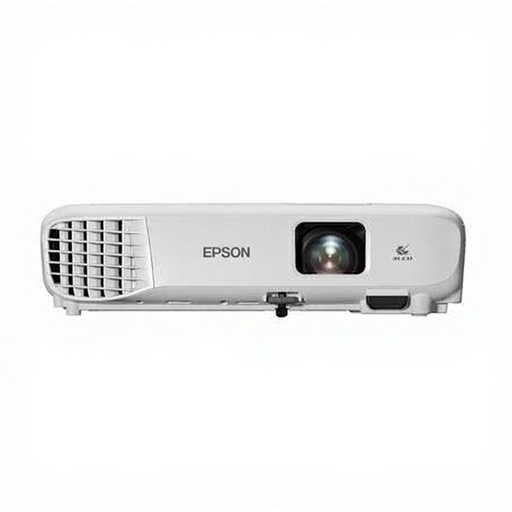 No image available
A WXGA lamp model to compare if stated brightness matters more to you than 4K detail.
The product name lists 4,000 ANSI lumens and WXGA. Epson lists two HDMI ports and a 2 W mono speaker, so the built-in audio is another factor to consider.
 No image available
A model to compare if native 1080p and Bluetooth connectivity suit your needs.
The product name lists 1,000 ANSI lumens, native 1080p with 4K support and Bluetooth 5.4. The description mentions autofocus and keystone correction.
An ambient-light-rejecting screen is designed to reduce the effect of ambient light. Check which light the screen blocks and which throw ratio and projection direction it’s designed for; not every screen suits every projector.
Measure your preferred screen width and the available distance. Compare these with the throw ratio and picture size for the exact model; ultra-short-throw and standard projection require different setups. Follow the manufacturer’s installation instructions too.
It depends on how you like to listen and what equipment you already have. Check that the audio connections on the projector and sound equipment are compatible. Specifications alone can’t tell you how the music will sound in your living room.
According to the Dutch government, when you buy remotely from a business, you’ll often have a 14-day cooling-off period. You’re also entitled to a product that is fit for purpose. There’s no fixed statutory guarantee period in the Netherlands, and the seller is your point of contact if a product is faulty. Check the applicable returns policy and any exceptions.
Don’t assume you have the same rights as when watching for personal use. The Dutch government distinguishes between making a private copy for personal use and distributing or publicly showing protected work. Check the rights and conditions for the recording before showing it to an audience.