
Watching in daylight
You often watch with light coming through the windows and want to avoid scenes looking washed out. ProjectorCentral explains how ambient light affects perceived contrast.


Start by choosing a spot where as little daylight as possible falls on the screen, then decide on your preferred picture size and projection distance. Next, compare the stated brightness, colour reproduction and connections of projectors that suit your room. More lumens don’t automatically guarantee good contrast, and a larger picture needs more usable light.
You often watch with light coming through the windows and want to avoid scenes looking washed out. ProjectorCentral explains how ambient light affects perceived contrast.
Colour and fine detail matter, but you also want to know how much of that detail will remain visible in your room’s lighting. Epson’s model specifications can help you compare specific brightness figures.
You know where the screen and projector can go and want to match the picture size, projection distance and alignment to that space. ProjectorCentral explains how the throw ratio determines picture size at a given distance.
Start by considering the light in the room and where the screen can go. Then check that your preferred picture size works with the distance and the projector’s capabilities. This helps you avoid judging a lumen figure in isolation from the room.
| What to consider | What to look for when buying | Who should pay extra attention? |
|---|---|---|
| Visibility in daylight | Make a note of the light falling on the screen, your intended picture size and the measurement standard used for the stated brightness. | If I watch during the day, I want to know how much light falls on the picture and whether I can adjust the screen position accordingly. Around 36% of consumers say daylight visibility is their top buying priority. |
| Colour and detail | Check the resolution, stated colour performance and picture modes of the exact model; assess them in the lighting conditions you watch in. | If I watch nature programmes, I want to see landscapes and fine details clearly without overlooking the effect of the room’s lighting. Around 29% of consumers say the colour and detail of nature footage is their top buying priority. |
| Projection distance and screen position | Measure the distance from the lens to the screen and the picture width you want; compare these with the model’s throw ratio and adjustment options. | If the projector will have a fixed position, I want to know in advance whether I can achieve the picture size I want there. Around 21% of consumers say placement is their top buying priority. |
| Everyday use and running costs | Check the connections, what’s included in the box and the terms relating to the light source. Also consider which screen and playback devices you already own. | If I use the projector regularly, I want to know how it connects to my equipment and what terms and conditions apply. Around 14% of consumers say ease of use and costs are their top buying priority. |
Ambient light reduces perceived contrast. A stated brightness figure doesn’t automatically tell you how much light a particular picture mode delivers or how the image will look in your room.
Consider the screen position, picture size and measurement standard together. Where possible, limit the light falling directly on the picture.
Your preferred picture size needs to suit the distance between the lens and the screen. ProjectorCentral explains how the throw ratio determines this relationship. A larger picture also needs more available light.
Measure the picture width and the distance from the lens to the screen before choosing a projector or mount. Also decide where the screen will be least affected by ambient light.
A 2016 comparison of ALR screens by ProjectorCentral found differences in factors such as viewing angle, image artefacts and installation.
Check that the screen suits your projector set-up, the light in the room and your seating positions.
A different screen or an adjusted installation may involve extra work and expense.
A manufacturer’s stated light-source lifespan is not a warranty period. Your statutory rights with the retailer are separate.
Read the terms for the specific model and contact the retailer if the product is faulty.
The EH-TW7100 and EH-TW6250 are 3LCD home cinema models worth considering if you want to compare brightness and installation options.
The TK700 is a gaming projector that you can compare by its stated brightness and throw ratio; the W2720i is designed for home cinema and colour performance.
Optoma positions the UHZ66 as a laser projector for large-screen entertainment with the lights on.
The LX700-4K is a home laser projector with features for films and gaming.
Compare these home cinema projectors by their stated brightness, picture size and installation options for a bright living room.
 No image available
Compare the stated brightness and zoom with the light in your living room and the projection distance available.
The product listing on Joybuy specifies 3.800 lumens, 4K UHD and 1,3× optical zoom. It also lists DLP and a 15 W speaker.
 No image available
If colour and positioning matter to you, compare the stated colour specifications and adjustment options with your set-up.
The product listing on Joybuy specifies 3.000 ANSI lumens, 4K UHD and a colour range of 1,07 billion colours. It also lists an adjustable gimbal and automatic keystone correction.
 No image available
Check that your preferred picture size suits the available distance and this model’s manual zoom.
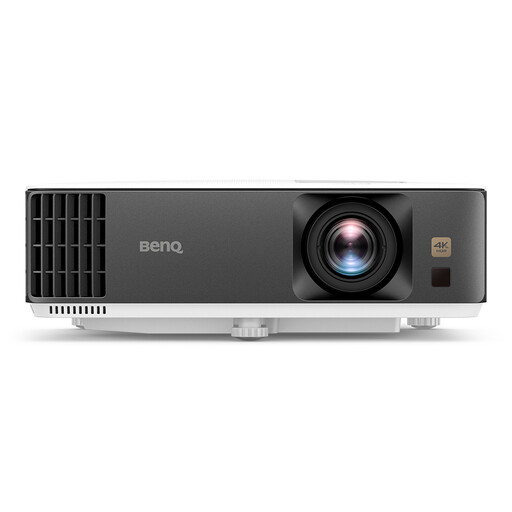
The product listing on Joybuy specifies 3.500 lumens, 4K UHD, a DuraCore laser light source and 1,3× manual zoom.
 No image available
Compare the stated brightness and throw ratio with the distance from the lens to the screen in your home.
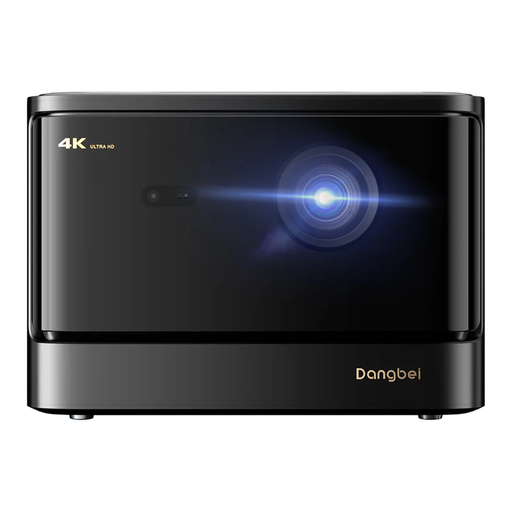
The product listing on Joybuy specifies 3.200 ANSI lumens, UHD 4K and 1,3× zoom. It also lists automatic vertical keystone correction.
 No image available
If you’re considering a large picture, check the stated picture size and make sure your room has the necessary distance and screen space.
The product listing on Joybuy specifies 2.450 ISO lumens, 4K, HDR10+ and a picture size of up to 200 inches. It also lists focus and keystone adjustments, Wi-Fi and Bluetooth, and two 12 W speakers.
No, a lumen figure alone isn’t enough. Picture size, the light falling on the screen and the selected picture setting all play a part. Compare the measurement standard, and first see whether you can keep the screen out of direct light.
Measure the distance from the lens to the screen and decide on your preferred picture width. Before installing a mount, compare these measurements with the exact model’s throw ratio and zoom.
Consider an ALR screen if you can’t adequately reduce ambient light while watching. A 2016 comparison of ALR screens by ProjectorCentral found differences in factors such as viewing angle, image artefacts and installation. Choose a screen that suits your projector, the light in the room and your seating positions.
Contact the retailer. According to ACM ConsuWijzer, your statutory guarantee rights are separate from any manufacturer’s or retailer’s warranty. What you can reasonably expect from a product is what matters, not just the stated manufacturer’s warranty period.
For online consumer purchases, ACM ConsuWijzer says you’ll often have up to 14 days after delivery to change your mind. Check whether an exception or additional condition applies to your purchase.