What should you look for when buying?
First, compare the light at the screen position with your intended picture size. Then measure the available throw distance and check your source and audio connections.
| Point to consider |
What should you check? |
Who is this important for? |
| Picture visibility in daylight |
Compare how the lumen rating was measured, the picture size you want and the amount of light at the screen position. |
If I want to watch cookery shows during the day, I need to know how much light reaches my screen and how large the picture will be. Consumers who prioritise daylight visibility make up around 39% of consumers in this selection breakdown. |
| Positioning the projector and screen |
Measure the distance from the projector to the screen, decide how wide you want the picture to be and check the projection details for the exact model. |
If space is limited, I need to know whether I can get the picture size I want from the available projector position. Consumers who are most concerned about positioning make up around 23% of consumers in this selection breakdown. |
| Connecting a source and hearing speech |
Check that your source will connect to the model, and find out what audio output or built-in speakers it has. |
If I want to start programmes and follow spoken instructions, I need to know in advance how my source and audio will connect. Around 23% of consumers prioritise this combination. |
| Use and support |
Check the stated light source for the exact model, and read what the warranty terms and user manual say. |
If I use the projector regularly, I need to consider its light source and the support included with my purchase. Consumers who prioritise running costs and support make up around 15% of consumers in this selection breakdown. |
Projectors at Joybuy
This selection of Joybuy products includes projectors with a stated brightness and models designed for short throw distances. For your room, check the intended picture size, distance, connections and preferred audio set-up.
 No image available
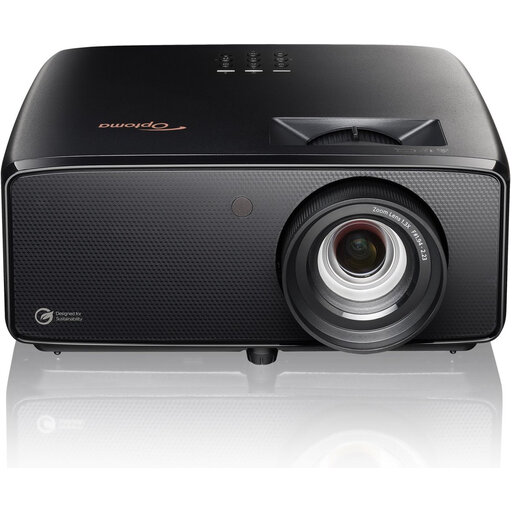
Optoma UZ38X 4K UHD Dual-Laser projector
An option to consider if you’re looking for a conventional set-up and want to connect programmes via HDMI.
4K UHD; 3.800 lumens; DLP; 1,3× zoom; 15 W speaker.
View at Joybuy
 No image available
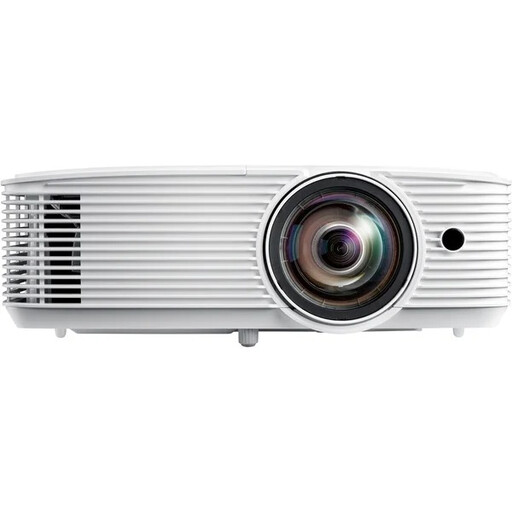
Optoma H117ST short-throw DLP projector
A short-throw model to consider if you want to position the projector closer to the screen.
WXGA; 3.800 ANSI lumens; DLP; 3D.
View at Joybuy
 No image available
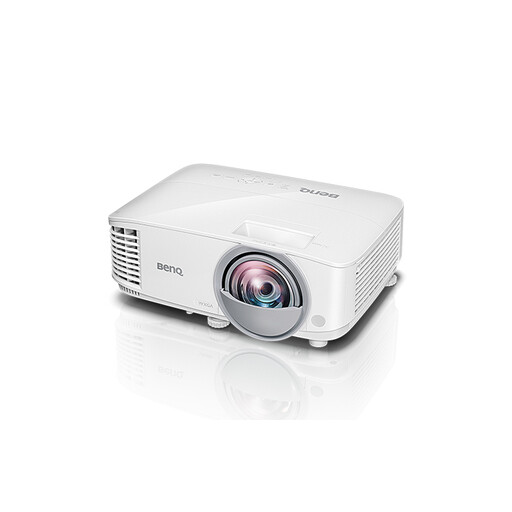
BenQ MW809STH short-throw projector
A short-throw option to consider if limited space affects where you can position the projector.
3.600 ANSI lumens; DLP; XGA (1024 × 768).
View at Joybuy
 No image available
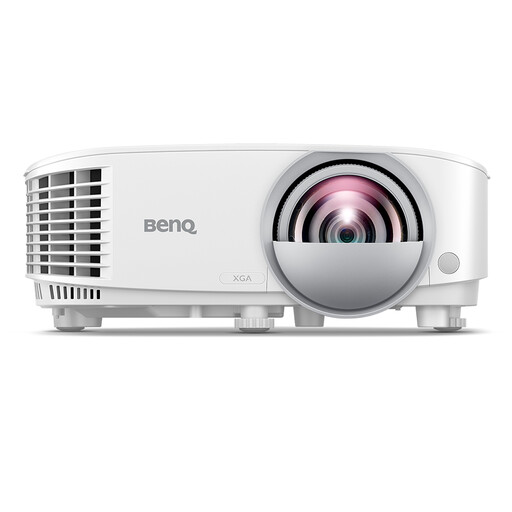
BenQ MX825STH short-throw projector
A short-throw model to consider if you want to project the picture size you need from a limited distance.
3.500 ANSI lumens; DLP; XGA (1024 × 768).
View at Joybuy
 No image available
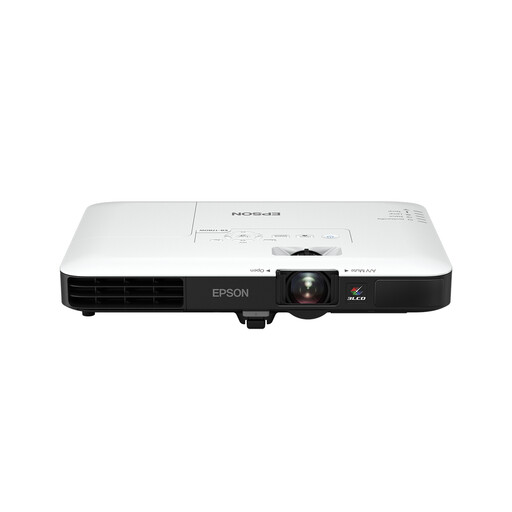
Epson EB-1780W short-throw projector
A 3LCD model to consider if you’re looking for a short throw distance and an HDMI connection.
3.000 ANSI lumens; 3LCD; WXGA (1280 × 800).
View at Joybuy
Frequently asked questions
How can I check whether the picture will be large enough and visible during the day?
First, measure the possible throw distance and decide what screen size you want. Then compare the stated brightness with the light at that position. BenQ explains that with a larger picture, the available light is spread over a wider area.
Can I connect a streaming device or TV set-top box?
That depends on your source and the model. Epson Netherlands lists two HDMI ports on the EH-TW7100, which can be used to connect a streaming device or set-top box, among other things. Also check how the audio from your source will be played.
What maintenance will it need after installation?
Follow the user manual for the exact model for guidance on maintenance and its light source. A stated lamp life refers to the light source and does not, by itself, guarantee that the entire projector will work for that long without maintenance.
What are my rights if a projector proves faulty during normal use?
According to the Dutch government, if a product is faulty, you’re entitled to an appropriate solution from the seller, such as a repair, replacement or refund, subject to the applicable terms. The Netherlands has no fixed statutory warranty period; a manufacturer’s warranty is in addition to your statutory rights.
Which product marking is relevant when buying in the Netherlands?
Electrical equipment covered by EU rules may need to meet CE marking requirements. The Low Voltage Directive applies, among other things, to equipment rated at 50–1.000 V AC or 75–1.500 V DC, subject to the exceptions set out in the directive. Check the applicable product information for the specific model. A CE mark is not a certificate issued for the product by a central EU authority.


