
Vandaag of morgen in huis

Kwaliteit gegarandeerd

Welkomstaanbiedingen ontgrendelen: GRATIS bezorging | Tot 80% korting | Gratis 30 dagen JoyPlus-proefperiode
Download de app
A standalone OBD2 scanner can be useful for reading engine fault codes, but more complex jobs often call for more. If you work on modern cars, SUVs, vans or motorcycles, you may need features such as full-system diagnostics, live data, active tests and service resets.
Terms such as “OE-level”, “professional” and “all system” are used in different ways across the market. Always check what the device actually supports for your make, model, year and vehicle system.
A scanner may be described as supporting many car makes, while ECU coding, injector coding or bi-directional control may only work on certain models. Functions often vary by vehicle, trim and software version.
Before buying, check:
Some brands’ product descriptions say that updates are included for the lifetime of the device. That does not automatically mean that all new functions or vehicle coverage will be available indefinitely. Other devices come with a set period of free updates. The tool will usually remain usable afterwards, but new software may be chargeable.
Read the update terms, registration process and any account requirements carefully. A low purchase price can work out more expensive if essential software later requires a subscription.
A large ratchet set includes many sizes, but not always the right tool for a particular job. For brake lines, a brake pipe spanner set with flare nut spanners is important. Modern interior and bodywork components may require specialist Torx, tamperproof or Torx Plus sizes.
Pay attention to the quality of the storage case, too. Loose sockets and unclear size markings can waste time in a garage or mobile workshop.
A basic OBD2 scanner typically reads emissions and engine data. A more advanced car diagnostic tool may also access ABS, SRS, transmission, BCM, TPMS and other modules, according to the product description.
With bi-directional control, the scanner sends commands to a vehicle module. For example, it may activate a cooling fan, window, injector or fuel pump. Availability varies by make and model, so think of this feature as a troubleshooting aid, not a guarantee that every component can be tested.
ECU coding may be needed after replacing or modifying a module. Other common functions include:
Always check whether the function is available for your specific vehicle. Seeing an option in the scanner’s menu does not mean it will work on every car.
For everyday use, consider the following:
With automotive tools, storage matters too. A sturdy case or bag helps keep sockets, cables and adaptors together.
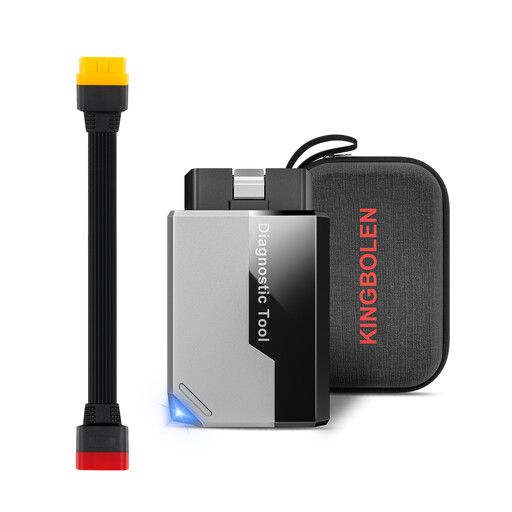
Why it suits this user: The compact Bluetooth connection works with a smartphone app, making it practical for occasional diagnostics at home or on the road.
The product description explicitly notes that coverage and functions may vary by model and year. This makes it essential to check compatibility beforehand.
According to the product information, the device offers full-system scans, more than 15 service functions, live data and Bluetooth 5.2.
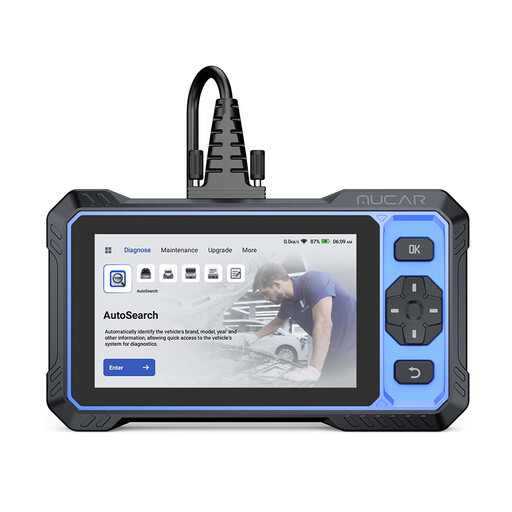
Why it suits this user: A 6-inch touchscreen, built-in battery and automatic system scan make it well suited to regular workshop use.
The description specifically mentions CAN-FD, FCA AutoAuth, full-system diagnostics and the limitations of vehicle coverage.
According to the manufacturer, this model includes more than 20 service functions, active tests and lifetime free updates with no subscription fees.
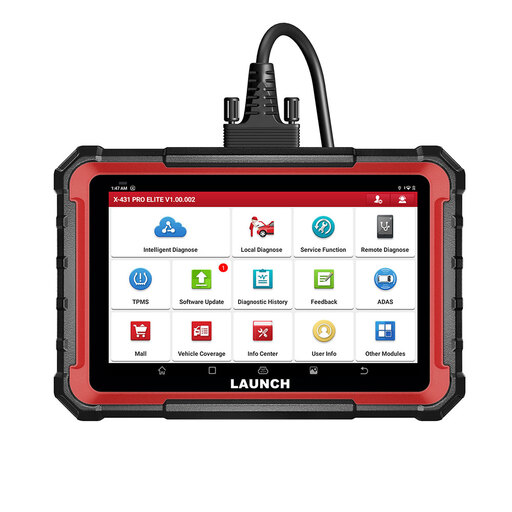
Why it suits this user: The larger tablet, reporting features and expansion options make it a good fit for garages and mobile vehicle technicians.
The product information notes that active tests, ECU coding and special functions vary by vehicle. Check compatibility before ordering.
According to the product description, CAN-FD, DoIP, bi-directional control, ECU coding and 31 reset functions are included. The stated free update period is limited.

Why it suits this user: Ideal if you often work on cars, motorcycles or machinery and need a range of Torx types.
The set helps prevent you from being caught without the right size by combining E, T, tamperproof and Torx Plus bit sizes.
According to the product information, the set contains 60 pieces, S2 steel bits, Cr-V sockets and a clearly labelled storage case.
We’ve put together a complete, up-to-date list of products that meet these strict selection criteria and current European safety regulations.
No. The systems and functions available depend on the make, model, engine, vehicle module and software version. Check the compatibility list or ask about support for your VIN before buying.
A basic OBD2 scanner is mainly designed for standard diagnostics. For functions such as EPB reset, BMS registration, DPF regeneration or injector coding, you’ll need a more advanced model. Even then, availability may vary by vehicle.
Some product descriptions say they are, but always check exactly what’s included. Look out for registration, an internet connection, account terms and whether future vehicle coverage falls under the same update promise.
A practical starter kit includes a ratchet set, metric sockets, a Torx bit set, extensions and, if needed, a car socket set. Flare nut spanners are a good choice for brake work. For each job, use the correct tightening torque and avoid using an ill-fitting socket that could damage a fastener.
