
Vandaag of morgen in huis

Kwaliteit gegarandeerd

Welkomstaanbiedingen ontgrendelen: GRATIS bezorging | Tot 80% korting | Gratis 30 dagen JoyPlus-proefperiode
Download de app
Anyone who plays basketball intensively will quickly notice when their shoes do not suit their style of play. A sole that is too soft can feel sluggish when setting off, a narrow toe box can become uncomfortable during a long match and an outsole designed for indoor use can wear down quickly on asphalt. That is why choosing professional basketball shoes for men is not just about the brand or appearance, but above all about measurable features.
Basketball shoes with a carbon plate are often associated with explosiveness and direct power transfer. In practice, the presence of a plate does not tell you everything. The shape, stiffness, midsole and fit all determine how the shoe feels. A stiffer construction can be comfortable for quick starts, but less suitable if you are looking for plenty of flexibility under the forefoot.
So check whether the product description clearly states where the plate is located, how it is combined with the sole and what type of movement the shoe is designed for.
A rubber compound that performs well on an indoor court may not last as long on concrete or asphalt. Pay attention to the outsole compound and the stated usage environment. For basketball shoes designed for indoor and outdoor use, it is important that the manufacturer specifically mentions both applications.
Dust, moisture and wear can also affect grip. No outsole performs identically in every condition.
Basketball shoes often have a close-fitting shape. Two models in the same EU size can still fit differently because of the last, upper and amount of room around the toes. A snug model can feel stable, but may not provide enough space for wider feet.
Measure both feet at the end of the day and compare their length with the size chart for the specific product. Also take the thickness of your game socks into account.
A suitable outsole pattern is important for quick stops, pivots and lateral movement. Look at:
According to the product description, the LI-NING Wade 808 5 Ultra V2 comes with GCU rubber at the front and TUFF RB rubber at the rear. According to LI-NING’s product description, this combination is designed to provide multidirectional traction and sudden stops. This is a product feature described by the brand, not a guarantee of the same experience on every court.
Basketball shoes with cushioning should provide sufficient comfort without losing contact with the floor. Pay attention to the material used in the midsole and insole:
According to the Wade 808 5 Ultra V2 product description, the sole construction consists of a TPU base with a full-length carbon-fibre plate. The manufacturer describes this combination as offering low weight, ground contact and rapid changes of direction. Treat this as a technical starting point for comparison, not as a guaranteed performance result.
A woven mesh upper can be lightweight and breathable, while TPU or 3D-printed reinforcements provide additional structure. Also check:
The Wade 808 5 Ultra V2 is described as having a close-fitting shape. The product information warns that the forefoot may feel slightly narrower. According to this information, players with wider feet may wish to consider going up half a size, but always check the current size chart and returns policy first.
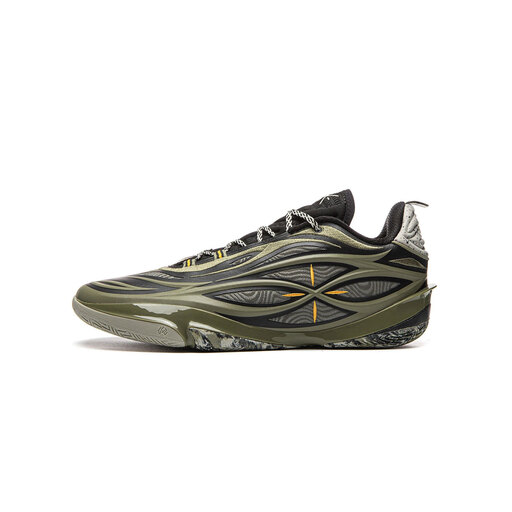
Why it suits this profile: This model combines several technical features in one shoe, making it suitable for players looking for their first serious pair of basketball shoes for competitive matches. The available size is EU 42 1/3.
The product information clearly identifies the sole materials, fit and the difference between the forefoot and heel. You therefore do not have to rely solely on general marketing terms such as “pro” or “performance”.
Full carbon-fibre plate, TPU sole construction, GCU and TUFF RB rubber, and woven jacquard mesh according to the product description.
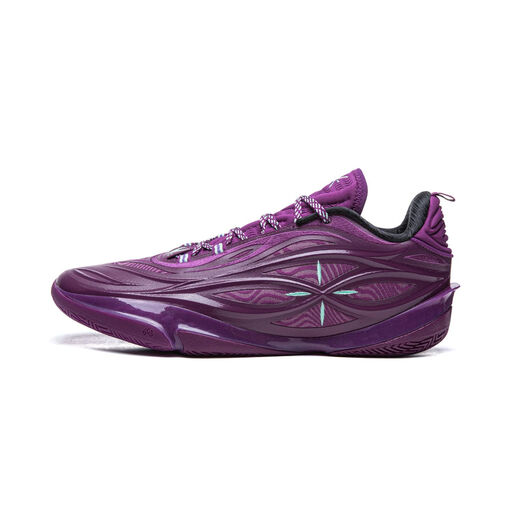
Why it suits this profile: The stated combination of SUPER BOOM cushioning, a carbon plate and GCU outsole is aimed at players looking for a lightweight, responsive shoe for competitive use.
The description mentions not only the cushioning, but also the sole material, fit and recommended size choice. This makes it easier to compare the shoes more accurately.
According to the product description: dual-layer SUPER BOOM, a heel carbon plate, supercritical foam in the insole and a GCU rubber system.
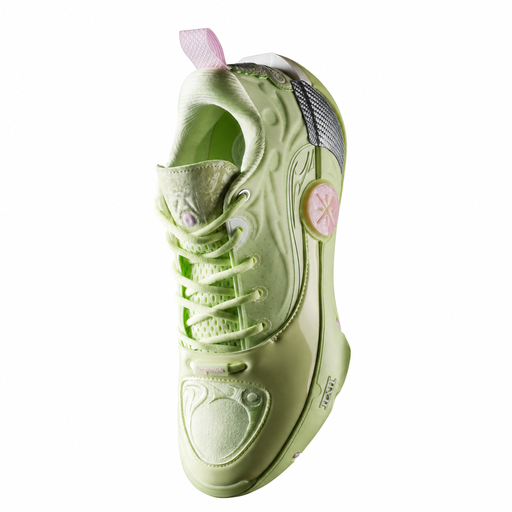
Why it suits this profile: The product name states that it is suitable for indoor and outdoor use and includes a carbon-fibre plate. This makes it suitable for players looking for one pair for different playing environments.
Before buying, check the surface on which you play most often. “Indoor and outdoor” in the product name does not replace checking the outsole pattern, size and current availability.
The product name mentions a carbon-fibre plate, SUPER BOOM and indoor/outdoor use; the available size is EU 44 1/3.
We have put together a complete, up-to-date list of products that fully meet these strict selection criteria and the applicable European safety regulations.
Not automatically. According to the product description, a carbon plate can contribute to a stiffer, more responsive construction, but the feel depends on your playing style, build and preference for flexibility. Choose based on the complete sole construction and fit, not just the word carbon.
Their lifespan depends on the number of hours you play, your body weight, playing style and the surface. Indoor use puts different demands on the sole than asphalt. Check the tread, stitching and heel regularly. Reduced grip, visible cracks or compressed cushioning are reasons to stop using a pair for intensive matches.
You can if the product information states that they are suitable for both environments, but wear and tear may occur more quickly outdoors. For players who often train on asphalt, a durable rubber tread is more important than simply having a low-profile shoe or lightweight construction. Ideally, use shoes on the surface for which they were designed and keep the sole clean to maintain more consistent contact with the floor.
