
Vandaag of morgen in huis

Kwaliteit gegarandeerd

Welkomstaanbiedingen ontgrendelen: GRATIS bezorging | Tot 80% korting | Gratis 30 dagen JoyPlus-proefperiode
Download de app
When looking for professional basketball shoes, you might first focus on the brand, appearance and eye-catching product claims. But it’s the sole, fit and cushioning that really determine whether a pair is right for your training sessions and matches. This applies to men’s basketball shoes, too, as well as indoor sports players considering one pair of shoes for several disciplines.
You’ll usually only notice a poor choice during intensive use. The sole may not provide enough grip on your court, a narrow toe box may become uncomfortable over time, or a shoe advertised for outdoor use may wear out more quickly on rough tarmac. So don’t rely on marketing terms alone: check the specific product details.
A shoe with a rubber outsole isn’t automatically suitable for every surface. For a sports hall, a non-marking rubber sole and multidirectional tread are worth looking for. For outdoor use, hard-wearing rubber is more important. Also check whether the product description specifies indoor use, outdoor use or both.
Basketball shoes with a carbon plate can feel stiffer and more responsive. That doesn’t mean every player will find them comfortable. A plate can make the shoe flex and roll differently from a traditional model. So look at the overall construction: the sole, midsole, fit and the type of movement the shoe is designed for.
Your EU size is a useful starting point, but the fit varies from one model to another. A snug-fitting shoe may suit quick changes of direction, while players with a wider forefoot may need more room. Check whether the seller provides information about a narrow or wide fit, and consider the socks you wear during matches.
Basketball involves plenty of lateral movement, stops and pivots. Look for:
“Non-slip” on its own isn’t a measurement. According to the Nike Hyperset 2 product description, its rubber sole is designed to provide grip on indoor sports floors. It’s designed as a volleyball shoe, so it may be worth considering as an indoor sports shoe. However, check that its support suits your basketball position and playing style.
Cushioning describes how the midsole absorbs impact and how the shoe feels when you jump and land. Manufacturers use their own brand names for these technologies. For example, Nike lists Zoom technology for the Hyperset 2, while Li-Ning describes SUPER BOOM foam in several models.
Take care when describing these claims: according to the brand’s own product description, the technology is designed to absorb shock, provide responsiveness or return energy. The feel varies from player to player. Also consider the shoe’s weight, sole stiffness and the level of support around the midfoot.
A breathable mesh or textile upper can feel comfortable during long training sessions. TPU reinforcements, a moulded heel counter or a snug wrap construction can offer extra support. On the other hand, a very close fit may not suit wider feet.
Where possible, try shoes on with your sports socks and check:

Why it suits this profile: According to the product description, this unisex model is designed for indoor volleyball. It may therefore suit players looking for a lightweight indoor shoe for training and recreational use.
The product information specifies indoor use, a rubber sole and multidirectional tread. Check that size 43 and the volleyball-focused construction suit your needs.
Textile or mesh upper for ventilation, PU foam in the midsole and Zoom technology, according to the product description.
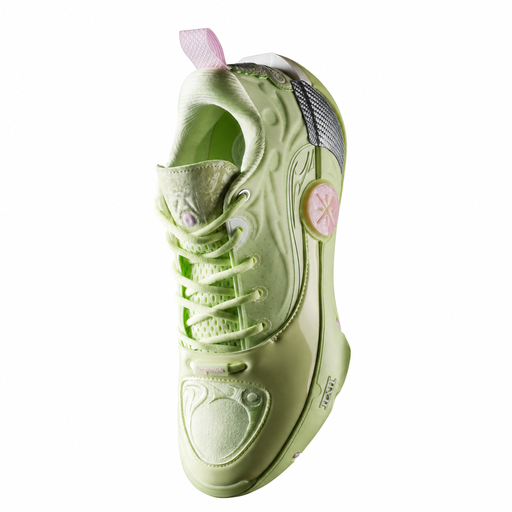
Why it suits this profile: According to Li-Ning’s product description, this model is designed for competitive basketball, with a SUPER BOOM midsole and carbon plate construction.
The description specifically mentions the carbon plate, cushioning, and indoor and outdoor use. Before buying, check your chosen EU size and whether you’d find a stiffer sole comfortable.
Dual-layer SUPER BOOM, a carbon plate and GCU rubber outsole, according to the product information.
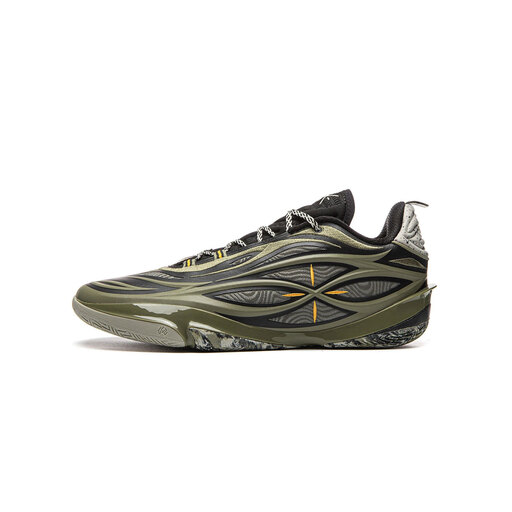
Why it suits this profile: The product description specifies a close fit, a full-length carbon plate and different rubber compounds for quick changes of direction.
The description notes that the forefoot may feel a little narrow. According to this information, players with wide feet may want to consider going up half a size.
GCU rubber at the forefoot, TUFF RB rubber at the heel and a woven jacquard mesh upper, according to the product description.
We’ve put together a complete, up-to-date list of products that meet these strict selection criteria and the applicable European safety regulations.
Not necessarily. Check the product description for specific details about indoor and outdoor use. An outdoor sole may feel different on a sports hall floor, while an indoor sole may wear out more quickly on tarmac. If you regularly switch between surfaces, choose a model that clearly specifies both uses.
Their lifespan depends on how long you play, your body weight, the surface, how you care for them and whether you rotate them with a second pair. Check the soles regularly for smooth patches and the uppers for seams coming loose. After use, clean your shoes with a slightly damp cloth, let them dry naturally and keep them away from radiator heat. Your statutory guarantee is separate from normal wear and tear.
No. A more expensive model may have additional features, such as a carbon plate or advanced cushioning, but these won’t suit every player. Focus on comparing fit, grip, stability, cushioning, playing surface and available EU sizes with your playing style. The right professional basketball shoes are the ones whose specifications match how you play.
