
Vandaag of morgen in huis

Kwaliteit gegarandeerd

Welkomstaanbiedingen ontgrendelen: GRATIS bezorging | Tot 80% korting | Gratis 30 dagen JoyPlus-proefperiode
Download de app
Hair loss can have several causes. Sometimes the issue is mainly hair breakage, a dry scalp or dandruff. In other cases, hair gradually becomes thinner. If you’re looking for products for hair loss, you’ll quickly come across claims about adding volume, strengthening hair fibres or stimulating hair growth. However, these claims don’t automatically mean that a product is right for you.
So, choosing the right product starts not with the most eye-catching packaging, but with the type of problem, the ingredients and how easy the product is to use.
A shampoo or serum can condition hair fibres and help reduce breakage, but that’s different from affecting hair loss at the root. So, check the product description carefully. Phrases such as “fuller-looking hair” or “less hair breakage” usually describe the appearance or condition of your hair.
Brands sometimes quote results after a certain number of weeks or a percentage improvement. Always check the conditions under which these results were measured. For example, according to Head & Shoulders’ own research, certain DermaXPro products may help with hair retention or hair volume when used regularly. This is a brand claim, not a guarantee for every individual.
Claims from Freshly Cosmetics about reduced hair loss, increased density or results after several months also come from the brand’s product information. Treat these figures as additional information, not as a guaranteed outcome.
A product for thinning hair isn’t automatically suitable for a dry, sensitive or flaky scalp. A formula containing fragrance, menthol, alcohol or exfoliating ingredients may feel pleasant, but can also cause irritation. Check the ingredients list and stop using the product if you experience redness, itching, swelling or a burning sensation.
If you have a sensitive scalp, fragrance, menthol, sulphates and alcohol are all worth looking out for. This doesn’t automatically mean these ingredients are unsuitable, but you should read the product description carefully.
An anti-dandruff shampoo with piroctone olamine may be suitable if you have visible flakes and an oily scalp. For dry or fragile hair, a moisturising conditioner may be a better choice. Products containing acids such as salicylic acid or gluconolactone may help remove sebum and dead skin cells, according to the product description, but they aren’t suitable for every scalp.
A large pack is only good value if you use the product regularly and the formula suits you. Check:
With hair care, using products consistently is often more important than constantly switching between them. Give your routine enough time, but don’t expect a guaranteed outcome.
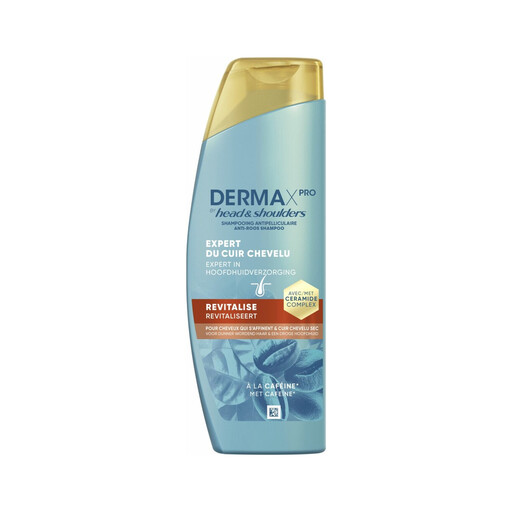
Why it suits this profile: A practical starting point if you’re looking for a shampoo for hair loss alongside care for a dry or flaky scalp.
The product information clearly states the 250 ml size, how to use it and its ingredients, including piroctone olamine, caffeine and ceramides.
Anti-dandruff action, caffeine and a ceramide complex; dermatologically tested according to the product information.
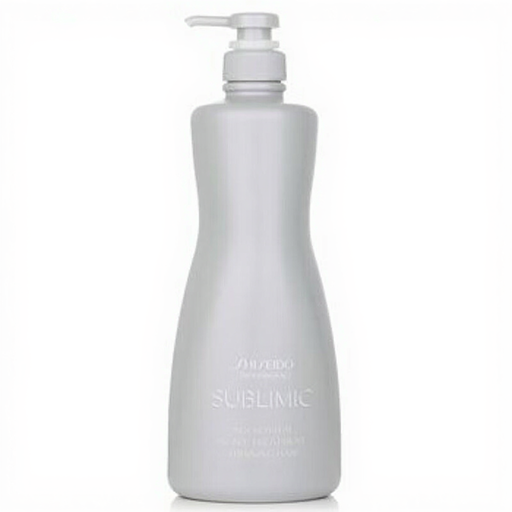
Why it suits this profile: A good fit for adults looking for a large pack to use as part of a regular hair-care routine for thinning hair.
It’s clearly a conditioner, not a shampoo or medicine. The instructions say to apply it after washing and rinse thoroughly.
1000 grams, a moisturising formula and ingredients such as arginine, hyaluronic acid and adenosine, according to the product information.

Why it suits this profile: For users who want to add an electronic device with a massage function to their hair-care routine.
The specifications list 650 nm light, a skin detection system and safety instructions for use around the eyes and irritated skin.
72 massage points, IPX7 water resistance according to the specifications and around 10 to 15 sessions per charge.
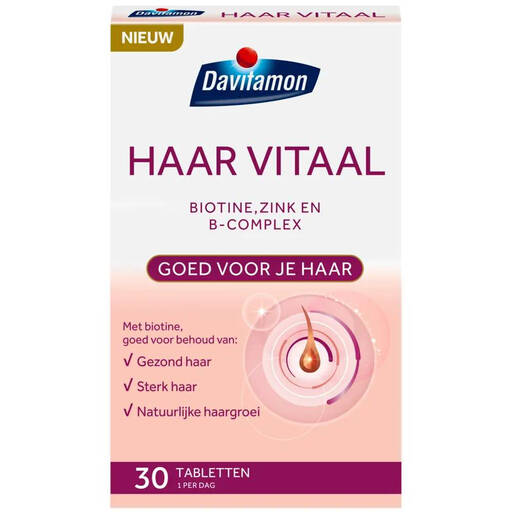
Why it suits this profile: A simple option for adults who want to supplement their daily diet with one tablet a day.
The pack contains 30 tablets and gives a clear dosage. The product is clearly labelled as a food supplement, not a treatment.
Contains biotin, zinc and B vitamins; one tablet a day according to the product information.
We’ve put together a complete, up-to-date list of products that meet these strict selection criteria and comply with current European safety regulations.
Start with one main concern. For example, choose an anti-dandruff shampoo if you have visible flakes, or a conditioner for dry, brittle hair. Don’t add several serums, supplements and devices all at once. This makes it easier to tell which product feels right and which formula causes irritation.
Use shampoo according to the label and massage your scalp without scratching hard. If your hair gets weighed down easily, apply conditioner mainly to the lengths. A serum should generally be left on a clean scalp; check the instructions to be sure.
If you experience sudden, severe or localised hair loss, itching, pain, sores or persistent redness, it’s best to contact your GP. Cosmetic products aren’t intended to diagnose or treat a medical cause.
Shampoo cleanses the scalp and can help with care, dandruff or hair breakage. Its effects vary depending on the formula and the individual. Claims about hair retention, volume or hair growth are usually linked to specific brand research and regular use. Shampoo isn’t a guarantee against hair loss.
That depends on the product. Check the recommended period of use on the packaging and note the shelf life after opening. With cosmetic hair care, a consistent routine is important. Stop using the product straight away if it causes irritation, and don’t keep switching products without a reason.
Hair vitamins can provide nutrients such as biotin and zinc, but they aren’t a substitute for a varied diet. Don’t exceed the recommended daily dose. If you take medication, are pregnant or breastfeeding, or have an existing medical condition, it’s best to speak to a doctor.
