
Vandaag of morgen in huis

Kwaliteit gegarandeerd

Welkomstaanbiedingen ontgrendelen: GRATIS bezorging | Tot 80% korting | Gratis 30 dagen JoyPlus-proefperiode
Download de app
Pigmentation, dark spots and a dull complexion do not automatically disappear because of an attractive label or a promise of “radiant skin”. Anyone searching for products for pigmentation will quickly come across serums, toners, creams and Korean skincare products making similar claims. However, their formulas can differ considerably in terms of active ingredients, ease of use and suitability for sensitive or blemish-prone skin.
As a Joybuy Product Recommendation Officer, I mainly filter products based on verifiable information: ingredients, contents, directions for use and warnings on the product page. This helps you avoid paying for a product that does not fit your routine.
Words such as “whitening”, “anti-pigment” and “brightening” do not guarantee that spots will disappear completely. In cosmetics, whitening often refers to a more even-looking complexion or helping to promote a uniform appearance. According to brands’ own product information, ingredients such as niacinamide, vitamin C and alpha-arbutin may contribute to a brighter appearance, but results vary depending on your skin and how long you use the product.
Combining a vitamin C serum with a strong exfoliating product, an AHA toner and a retinoid can make your skin feel uncomfortable. Layering products is not always advisable, particularly if you have sensitive or blemish-prone skin. It is better to start with one serum for pigmentation and only add another product later.
According to product warnings, AHAs and certain vitamin C formulas may increase sensitivity to sunlight. Without daily UV protection, dark spots may become more visible again. A serum is therefore not a substitute for a broad-spectrum sunscreen. Always follow the label and stop using the product if you experience persistent redness, itching or a burning sensation.
Check the full INCI list, not just the front of the packaging.
A longer ingredients list does not automatically mean a better choice. Above all, check whether the formula suits your skin type and whether it contains fragrance, alcohol or essential oils if you are sensitive to them.
Serums often contain 30 to 50 ml, while a spot treatment may contain just 15 ml. Check how much product you are actually getting and how many areas you want to treat. A small bottle can be practical for targeted use, but less suitable for daily use on your face and neck.
The expiry date, batch information and period after opening are shown on the packaging. Store vitamin C products and other sensitive formulas according to the instructions, away from direct sunlight and heat.
A good product fits into a routine you can stick to. Check:
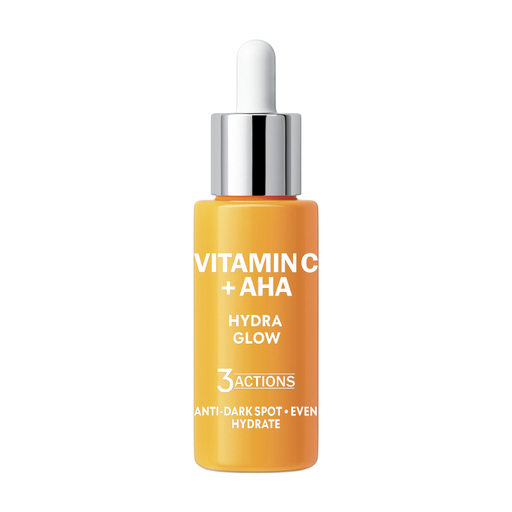
Why this suits the profile: A daily serum containing vitamin C, AHA and niacinamide in one formula can keep things simple for anyone who does not want to combine several products.
The product information states 40 ml, daily use and a clear warning about AHA and UV protection. This makes the key conditions for use easy to see.
Contains niacinamide, lactic acid and a vitamin C derivative; suitable for the face and neck according to the product description.
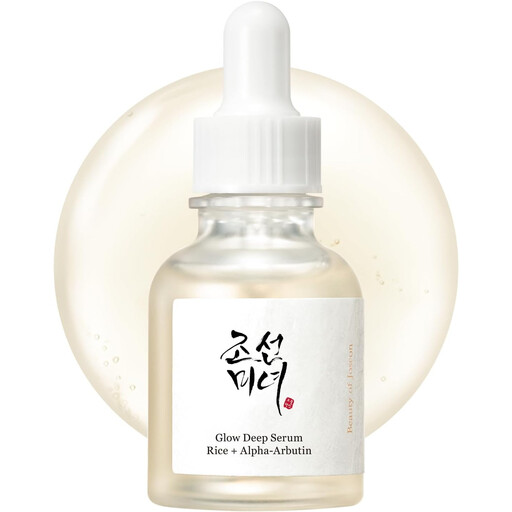
Why this suits the profile: This option is a good fit if you value a short ingredients list and a hydrating serum texture as part of a Korean skincare routine.
The formula contains 2% alpha-arbutin, niacinamide and rice bran water. This allows you to compare the formula based on its ingredients rather than relying solely on the word glow.
30 ml contents; according to the product information, fragrance-free and alcohol-free, and intended for a dull or uneven complexion.
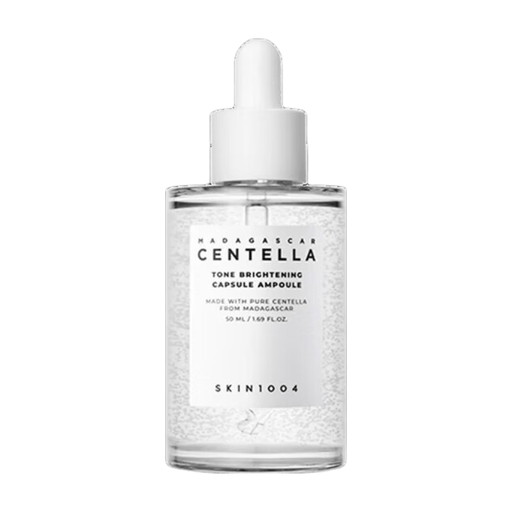
Why this suits the profile: This ampoule is suitable if you want to use a serum-like step every day and value a larger 50 ml size.
The ingredients list includes niacinamide, tranexamic acid and a vitamin C derivative. The packaging also includes warnings about sunlight and possible irritation.
50 ml contents; contains centella, panthenol and glycerine, alongside several hydrating ingredients.
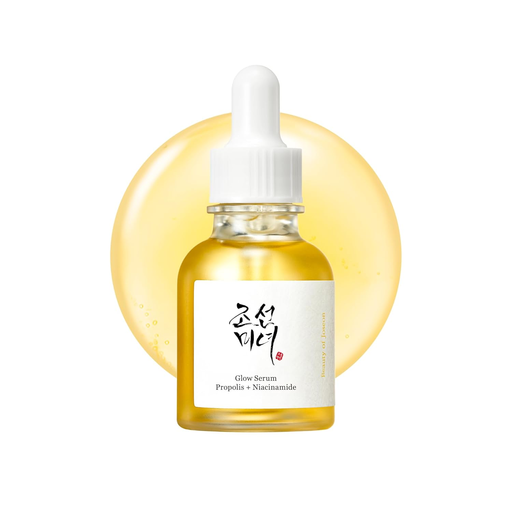
Why this suits the profile: If you are looking for a lightweight, hydrating formula for blemish-prone skin that also supports a more even complexion, this type of serum may be worth considering.
The product information lists 2% niacinamide and salicylic acid. It is therefore important not to use several exfoliating products at the same time.
60% propolis extract according to the product information; gel-like texture and 30 ml contents.
We have put together a complete, up-to-date list of products that fully meet these strict selection criteria and the applicable European safety regulations.
Morning:
Evening:
Test a new product on a small area of skin first. When using AHA, LHA, salicylic acid or vitamin C, take extra care with sun protection. For persistent or changing spots, seeking advice from a GP or dermatologist is wiser than continuing to add more cosmetics.
This varies depending on the formula, your skin type and daily use. Brands may report their own usage results, but these do not automatically apply to everyone. Follow a consistent routine and only assess your skin after several weeks. Stop using the product if irritation occurs.
This can work in some routines, but do not start with several new products at once. Choose one active serum, use it according to the instructions and only add a second formula later. This makes it easier to identify which product feels comfortable and which might be causing irritation.
No, toner is not essential. A toner containing glycerine, hyaluronic acid or rice extract can provide additional hydration. If you have sensitive skin, it is better to avoid a toner containing several acids when you are already using an exfoliating serum.
