
Vandaag of morgen in huis

Kwaliteit gegarandeerd

Welkomstaanbiedingen ontgrendelen: GRATIS bezorging | Tot 80% korting | Gratis 30 dagen JoyPlus-proefperiode
Download de app
Bloating, irregular bowel movements, or other gut issues can significantly impact your day. The search for a solution often leads to the probiotics aisle. But that aisle is crowded, and the marketing promises are grand. How do you know which product is right for you and not a waste of money? As a Joybuy Product Recommendation Officer, I'll help you make the right choices by exposing the most common pitfalls and misconceptions.
Before you pick a bottle, it's good to know where things often go wrong. Many products look alike, but the differences are crucial.
Pitfall 1: The "billions race" is misleading. Manufacturers love to advertise enormous quantities of bacteria (CFUs). While a high dosage can be useful, it's no guarantee of success. What's more important is whether the bacteria survive the journey through your stomach acid and reach your intestines alive. A product with fewer, but acid-resistant, bacteria can be more effective than one with billions of unprotected bacteria.
Pitfall 2: "One-size-fits-all" probiotics do not exist. Not every bacterial strain does the same thing. Some strains are more focused on supporting the overall gut flora, while others can be used more specifically for complaints like IBS (Irritable Bowel Syndrome) or bloating. Grabbing a random bottle of probiotics hoping it will solve your specific problem is often not the most effective approach.
Pitfall 3: Confusion between pro-, pre-, and postbiotics. These terms are often used interchangeably, but they mean different things.
To avoid a bad purchase, look for the following objective features on the label.
Look beyond just the total number of billions. Effectiveness depends on the specific strains. The most common and researched groups are Lactobacillus and Bifidobacterium. A product that clearly states which strains it contains is more transparent. The number of CFUs (Colony-Forming Units) indicates how many live bacteria are in each dose at the time of production.
For effective results, the bacteria must reach the intestines alive. Stomach acid is a significant barrier. Therefore, look for products that use:
Sometimes you need more than just probiotics to address your symptoms.
Based on these criteria, we have selected a number of products that suit different needs and situations.

Why This Fits Their Persona: This is a medical device, specifically developed to relieve symptoms associated with IBS, such as gas, abdominal pain, and irregular bowel movements. It is a targeted IBS supplement for those seeking a specific solution.
This product avoids the 'one-size-fits-all' pitfall by not presenting itself as a general probiotic, but as a specific treatment for IBS symptoms.
Medical device for IBS symptoms; normalises bowel function and reduces pain, according to the manufacturer.
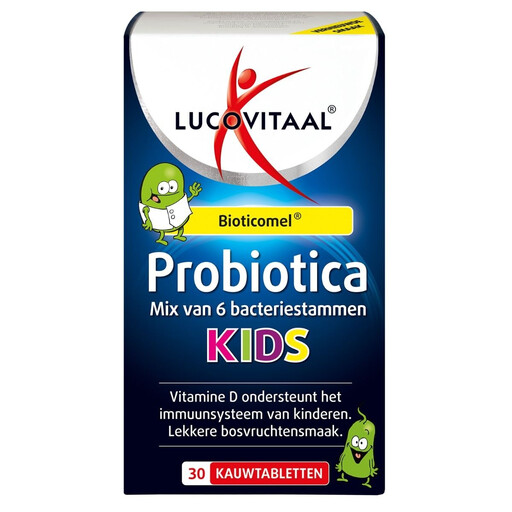
Why This Fits Their Persona: Parents looking for probiotics for kids need a product that is safe, easy to take, and effective. These berry-flavoured chewable tablets are specially designed for children aged 3 and up and contain vitamins C and D in addition to probiotics.
This product is specifically tailored to a child's needs, with an appropriate dosage and delivery form. It is not a downsized version of an adult supplement.
Flavoured chewable tablets; contains 6 bacterial strains; added vitamin C for teeth and D for the immune system and bones.
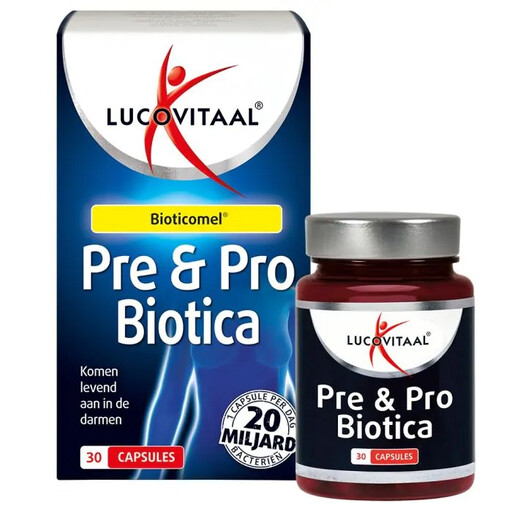
Why This Fits Their Persona: For those who want to support their gut flora without a specific, acute problem. This product offers a broad foundation with 8 different bacterial strains and prebiotics for nourishment, ideal to restore gut flora.
It tackles two issues at once: it delivers the probiotics and feeds them with prebiotics. The acid-resistant capsule ensures the bacteria don't perish before arrival.
Combination of 8 strains (20 billion CFU) and prebiotics (FOS); acid-resistant capsules for effective delivery to the intestines.

Why This Fits Their Persona: If you want to relieve bloating after consuming dairy products, you likely lack the enzyme lactase. These lactase tablets offer a direct solution by supplementing the enzyme needed to digest lactose.
This product shows the importance of knowing the cause of your symptoms. Instead of using a general probiotic, this targets the root of lactose intolerance.
Targeted solution for lactose intolerance; contains a high dose of 7,000 FCC lactase per tablet; to be taken with any lactose-containing meal.
We have compiled a complete, up-to-date list of products that fully meet these strict selection criteria and local regulations.
This varies by person and product. Some people notice a difference within a few days, for example with bloating. For restoring gut flora, it can take several weeks to months to experience a stable effect. Consistent daily use is key.
Not always. Many modern probiotics, especially those with micro-encapsulation like Lucovitaal probiotics, are stable at room temperature. Always read the storage instructions on the packaging. If it says "keep refrigerated," this is crucial to keep the bacteria alive.
Yes, that can be a good combination. Psyllium husks act as prebiotics (food for the bacteria) and help regulate bowel movements. It is advisable to take psyllium husks with plenty of water and possibly at a different time than the probiotics to ensure optimal absorption of both. When in doubt or if you are taking medication, always consult the packaging or a doctor.
