
Vandaag of morgen in huis

Kwaliteit gegarandeerd

Welkomstaanbiedingen ontgrendelen: GRATIS bezorging | Tot 80% korting | Gratis 30 dagen JoyPlus-proefperiode
Download de app
Buying a probiotic supplement may seem straightforward, but labels can differ considerably. The number of bacteria, strains used, dosage and storage instructions all help determine whether a product suits your needs. A high figure on the packaging does not tell the whole story.
For adults looking to support their gut health, parents searching for probiotics for children and women considering cranberry with lactobacillus, three pitfalls are particularly relevant.
A product containing 30 billion CFU may sound appealing, but you should also compare:
CFU stands for colony-forming units: an indication of the number of viable microorganisms. It is not a universal measure of quality. Two products with the same number of CFU may have very different compositions.
Brands use terms such as “reaches the gut alive”, “supports the immune system” or “for a healthy gut flora”. Check whether the statement is an authorised nutrition claim, a product characteristic or a claim based on the brand’s own research.
According to information provided by Lucovitaal, certain microencapsulated bacterial strains are designed to withstand stomach acid. This is a product description, not a guarantee that every person will experience the same result. Roter states for its cranberry products that some health claims are still awaiting European approval. Always consult the latest packaging and instructions for use.
Probiotic capsules are convenient for daily use, but not everyone finds them comfortable to swallow. A sachet can be dissolved in water or yoghurt. Chewable tablets may be easier for some children, but they often contain sweeteners, flavourings or allergens.
Also pay attention to the difference between oral supplements and cosmetics. SKIN1004 Probio-Cica ampoules and the Abib Rice Probiotics Overnight Mask are topical skincare products for external use. They are not intestinal probiotics and must not be consumed.
Look beyond the words “probiotic complex”. The full strain name provides more information, such as Lacticaseibacillus rhamnosus, Bifidobacterium breve or Lactiplantibacillus plantarum. A multi-strain formula is not automatically more suitable; the right choice depends on your goal, the dosage and your personal circumstances.
For example:
These quantities can only be compared accurately when you use the same unit each time: per capsule, per sachet or per recommended daily dosage.
An acid-resistant probiotic capsule is designed to provide better protection against stomach acid. Some brands achieve this with a special capsule shell, while others refer to microencapsulation. This can be a relevant technical distinction, but it is still important not to interpret the brand’s formulation as a guarantee of efficacy.
Also check the storage instructions. Some supplements need to be refrigerated after opening. For example, Lucovitaal 3-in-1 Bioticomel recommends refrigeration after opening. Heat, moisture and direct sunlight can affect the shelf life of live cultures.
Prebiotics and probiotics serve different functions within a formula. Prebiotics such as inulin and FOS are fibre-like ingredients used as a food source for bacteria. They may not suit everyone, particularly people who are sensitive to certain types of fibre.
A probiotic with vitamin C may be worth considering if you are not already getting this vitamin from another supplement. Watch out for overlapping ingredients with multivitamins. Some combinations also contain vitamin D, iron, iodine or zinc. Check your total daily intake accordingly.
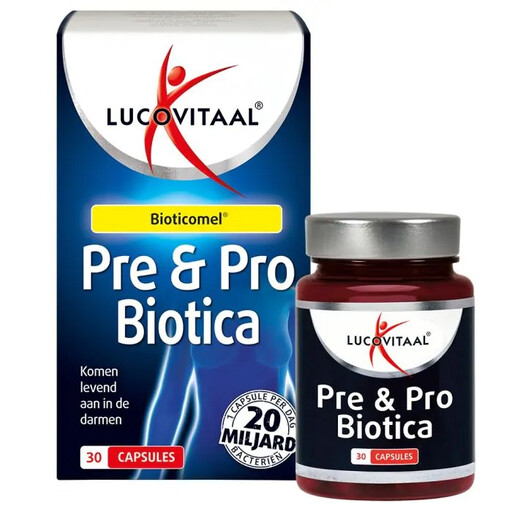
Why it suits this profile: A single daily capsule is a straightforward option for adults who want to start without powders or flavourings.
The product information lists the eight strains, 20 billion CFU and 50 mg of FOS separately per capsule.
One capsule per day; described as vegan in the product information and supplied in an acid-resistant capsule.
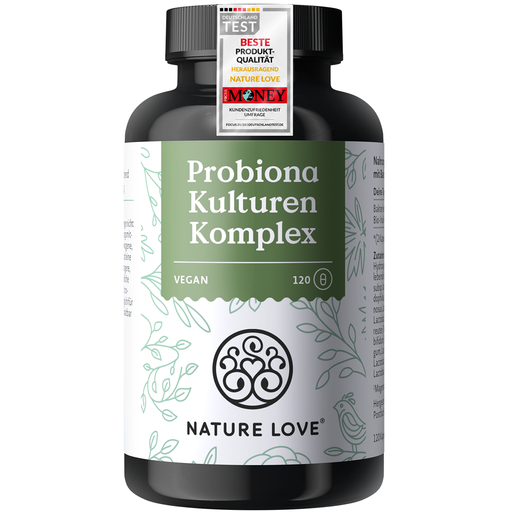
Why it suits this profile: Suitable for adults looking for multiple bacterial cultures, inulin and a vegan formula.
The packaging lists a daily dosage of two capsules, 20 billion CFU and the presence of inulin.
120 vegan capsules; the product information mentions an acid-resistant capsule and organic inulin.
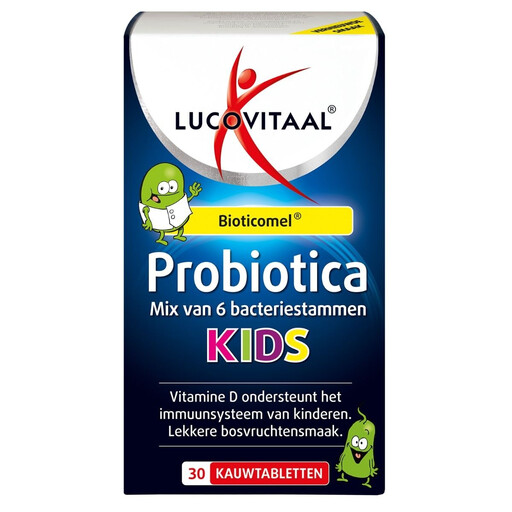
Why it suits this profile: A berry-flavoured chewable tablet can be a practical choice for children who find capsules difficult to take.
The formula lists six bacterial strains and separate amounts of vitamins C and D. The age information differs across the product data, so check the label before use.
30 chewable tablets; described as vegan in the product information. Do not use without checking the recommended age.
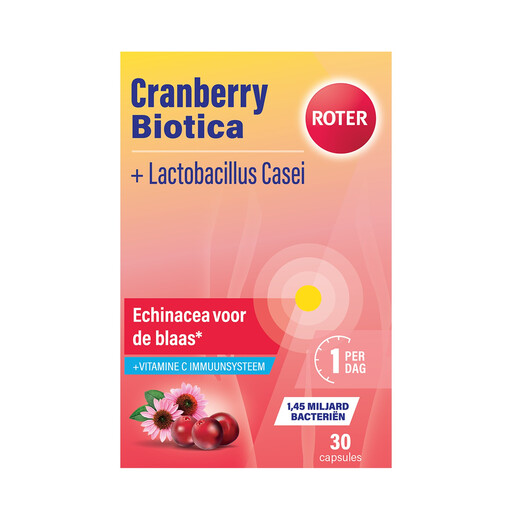
Why it suits this profile: An option for adults looking for cranberry, vitamin C and bacterial and yeast cultures in a single capsule.
The composition lists 250 mg of cranberry extract, 12 mg of vitamin C and 1.45 billion live cultures from three strains.
One capsule per day; contains cranberry, echinacea, vitamin C, Bifidobacterium breve, Lactobacillus casei and Saccharomyces boulardii.
Browse our current selection of probiotics and compare capsules, sachets, children’s tablets and prebiotic formulas based on composition, dosage and ease of use.
This varies by product and intended use. Follow the recommended daily dosage and the shelf-life information on the packaging. For products containing live cultures, also check the storage instructions, as heat and moisture can affect quality during the period of use.
Not necessarily. According to the product description, an acid-resistant capsule or microencapsulation may help protect against stomach acid, but neither guarantees a particular personal result. Also compare strains, CFU per daily dosage, storage requirements and cost per day of use.
Only choose a product that clearly states the appropriate age range. The supplied information for Lucovitaal Probiotics for Kids includes different age recommendations. Use the current packaging as your guide. If you have any concerns, allergies or questions about medication, ask your GP or pharmacist for advice.
