
Vandaag of morgen in huis

Kwaliteit gegarandeerd

Welkomstaanbiedingen ontgrendelen: GRATIS bezorging | Tot 80% korting | Gratis 30 dagen JoyPlus-proefperiode
Download de app
A privacy screen protector can stop fellow passengers, colleagues or visitors from peeking at your screen from the side. However, not every product is suitable for every device. The wrong aspect ratio, an unclear viewing angle or awkward fitting can make your filter almost unusable.
The term privacy screen is also used outdoors. A mesh screen for a balcony, patio or garden can limit views in while also providing shade. The things to consider are very different from those for a screen filter for a laptop or smartphone.
A 14-inch laptop can have a 16:9 or 16:10 aspect ratio. These sizes are not interchangeable. The thickness of the screen bezel, the webcam cut-out and the exact dimensions also determine whether a filter will fit properly.
So always check:
A screen filter usually makes the image darker or less visible from the side, but it cannot guarantee that nobody will ever see anything. How well it works depends on the viewing angle, screen brightness and the surrounding light.
Several Kensington filters list a viewing angle restriction of around 30 degrees on each side. This is a verifiable product specification, not an absolute block against every side view.
Features such as a blue-light screen filter, anti-glare coating or anti-fingerprint layer can be useful. Claims that they reduce eye strain or improve sleep should not be taken as proven results. According to Kensington’s own information, some filters can reduce blue light by a certain percentage. That alone does not mean users will experience fewer symptoms.
So prioritise fit, readability and how the filter attaches. Treat extra coatings as additional features.
A screen filter to prevent people peeking uses micro-louvres or a similar optical structure. The image is generally easier to see straight on than from the side. Look out for the difference between:
A magnetic privacy screen is handy for commuters who use a filter at the office and want to remove it at home. For magnetic models, check that the screen frame is suitable.
A reversible filter may have a matte side and a glossy side. According to the product description, the matte side helps make reflections and fingerprints less noticeable. The glossy side can give a brighter image, but often reflects more ambient light.
An anti-glare screen protector is particularly useful on trains, in cafés and in offices with bright overhead lighting. Bear in mind that a matte layer can slightly alter the appearance of the image.
For smartphones, you will often see tempered glass privacy screen protectors with a stated hardness of 9H. This is a product specification for scratch resistance; it does not mean the glass is unbreakable. An applicator can help you fit the protector straight.
Laptop filters are usually made from a thin optical panel. Do not fold or crease it: according to Kensington’s safety information, this could permanently damage the internal louvres. Clean it with a soft microfibre cloth and check for dust particles first.
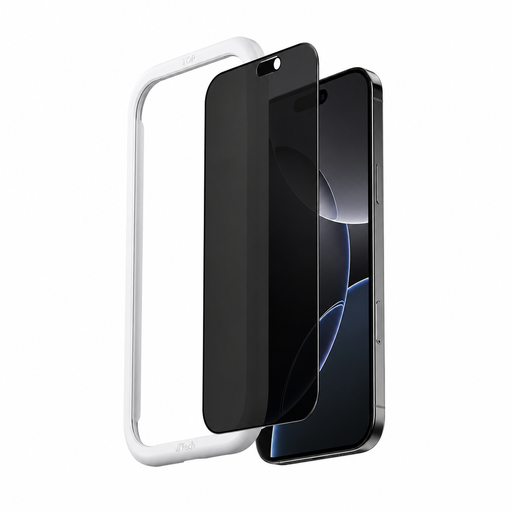
Why it suits this user: An option for iPhone 17 users looking for privacy on the go and screen protection in one accessory.
Compatibility is specific to the iPhone 17. Check your model before buying, then fit the protector once in a dust-free environment.
According to the product information: tempered glass, 9H hardness, anti-fingerprint layer and included applicator.
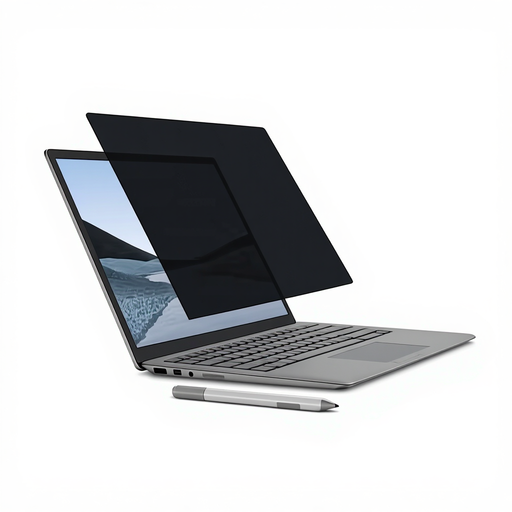
Why it suits this user: Designed for Surface Laptop users who often switch between working with and without a filter.
The magnetic fitting avoids adhesive and makes the filter quick to remove. It is designed specifically for a 13.5-inch Surface Laptop screen.
Matte and glossy sides, touchscreen and Surface Pen support, and a stated viewing angle of +/- 30 degrees.
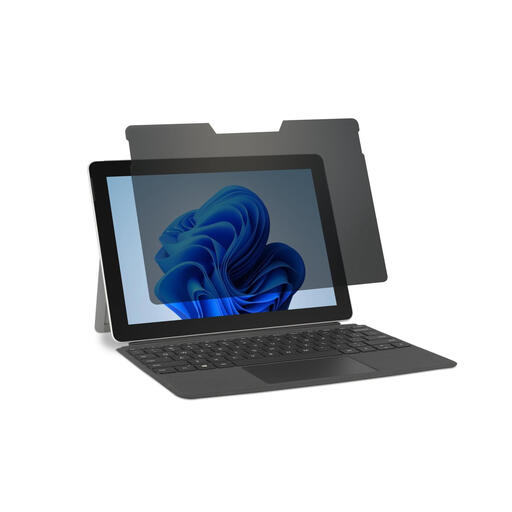
Why it suits this user: Handy for students and professionals who use a Surface Go on the train, at the office and at home.
The filter is removable and reusable. That means you do not need to fit a new product every time you want to use the screen without it.
2-way viewing angle restriction to 30 degrees, touchscreen support, and anti-fingerprint and anti-reflective coatings according to the product description.
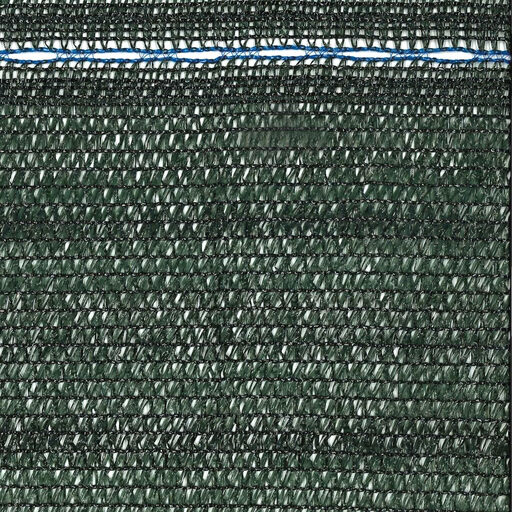
Why it suits this user: For anyone who wants to screen off a garden, balcony or patio with privacy mesh, rather than filter a laptop or phone screen.
The dimensions and material are clearly stated. This lets you work out how much mesh you need and which fixing points are suitable before you buy.
Woven HDPE, loops along the edges and, according to the product information, treated against UV rays. When fitted horizontally, it can be used as a shade sail.
First, clean the screen with a soft, lint-free cloth. For a smartphone, use the included dust remover or applicator as instructed. Do not reposition a screen protector with a privacy feature if there is dust or lint underneath; this can cause air bubbles and poor adhesion.
For a laptop:
A magnetic Kensington filter should also be kept away from cards, hard drives and other magnetically sensitive storage media.
For a garden windbreak mesh or an HDPE shade sail, the checks are different: secure the mesh firmly to a suitable fence, frame or fixing point. A large screen catches the wind, so check the loops and connections regularly.
We’ve put together a complete, up-to-date list of products that meet these strict selection criteria and the applicable European safety regulations.
Yes, but the result depends on the type of product. A laptop or phone filter limits the view of the screen from the side. For a garden, balcony or patio, you need a physical mesh screen, such as an HDPE privacy screen. For outdoor use, consider the dimensions, fixing method and wind load.
You can with models designed for this, such as a removable Kensington filter. Store it flat and clean in a sleeve. A self-adhesive tempered glass protector for an iPhone is usually designed to be fitted once; according to the product information, repeatedly peeling it off may affect the original screen’s oleophobic coating.
It can often change the brightness or viewing experience, especially when viewed at an angle or when the screen brightness is low. A matte side can reduce reflections, while a glossy side may give a brighter image. So check whether the filter is reversible and whether its stated viewing angle suits the way you use it.
