
Vandaag of morgen in huis

Kwaliteit gegarandeerd

Welkomstaanbiedingen ontgrendelen: GRATIS bezorging | Tot 80% korting | Gratis 30 dagen JoyPlus-proefperiode
Download de app
A privacy screen might seem like a simple purchase—until you discover your new screen has faded after just one season, or your expensive laptop privacy filter makes the touchscreen unusable. The market is flooded with options, from a balcony privacy screen to a monitor privacy screen, but the quality varies enormously. Many products overpromise and underdeliver.
As a Joybuy Product Recommendation Officer, I see where things go wrong every day. Before you make a decision, it's wise to consider a few common pitfalls.
privacy screen protector can drastically reduce your screen's brightness or interfere with touch sensitivity. With retractable screens, the mounting mechanism sometimes doesn't fit the intended wall or post.By paying attention to a few key points, you can avoid these problems and choose a product that truly fits your needs.
A good privacy screen is more than just a piece of fabric or plastic. Its specifications determine its lifespan and functionality. Pay close attention to the following two points.
The material is decisive for durability, especially for outdoor use.
garden privacy screen or shade cloth. A key advantage is its UV resistance. Look for terms like "UV-treated" or "UV-stabilised," as this prevents rapid discolouration.retractable side awning. The polyester fabric provides strength, while the polyurethane (PU) coating makes it water-repellent. This is useful for a shower, but it's not designed to be left out in constant rain.privacy screen with a more luxurious appearance.laptop privacy filter or privacy screen protector made of tempered glass offers not only privacy but also protection against scratches. The 9H hardness is a common standard here, indicating that the material is highly scratch-resistant.A good indicator of a fabric's sturdiness is its weight in grams per square meter (g/m?). A higher number (e.g., 220 g/m?) generally indicates a thicker and more robust material than a 95 g/m? fabric.
The installation method determines how flexible and practical the screen is to use.
retractable side awning is housed in a cassette that you mount to a wall. You pull the screen out and hook it onto an end post. This offers flexibility: privacy when you want it, and an open space when you don't. Check the maximum extension length and the sturdiness of the cassette and post.privacy screen protector for a phone.laptop privacy filter with a magnetic strip clicks onto the metal bezel of the screen. This is useful if you frequently need to remove the filter, for example, to share your screen with a colleague. The effective viewing angle (often +/- 30°) determines how well your privacy is protected.Not every screen is suitable for every situation. Below are some popular choices, matched to a specific user profile.
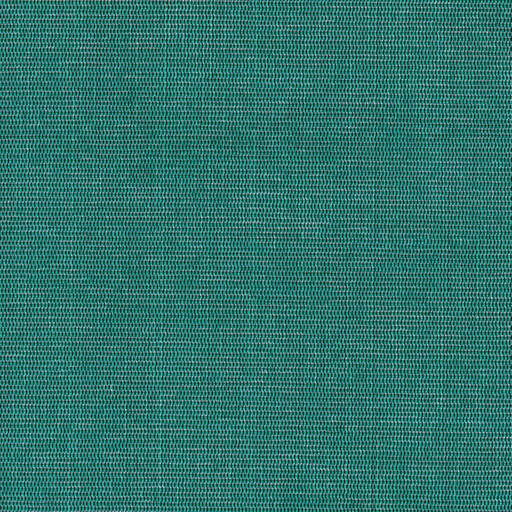
Why This Fits Their Persona: Ideal for those who want to quickly and effectively block views on a balcony or small terrace. The 1-meter height is perfect for most balustrades, and the woven structure provides a decorative look without completely blocking the light.
This screen is made of HDPE, which retains its colour and structure. The material is tear-resistant and can be easily cleaned with water, thus avoiding the "weatherproof lie."
Weight: 180 g/m? for a good balance between sturdiness and flexibility. Easy to cut to size and attach.
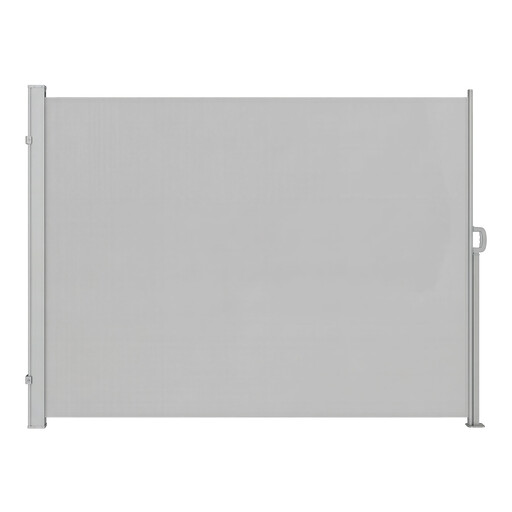
Why This Fits Their Persona: Perfect for those who want privacy and wind protection on their patio or in the garden but also want the option to keep the space open. With a length of 4 meters, you can quickly create a sheltered corner.
This screen comes with a complete mounting kit and clear instructions, avoiding the "complex installation" pitfall. The smooth spring mechanism ensures quiet operation.
Material: 220 g/m? polyester with a PU coating, making it water-repellent and opaque. The steel frame is robust and durable.
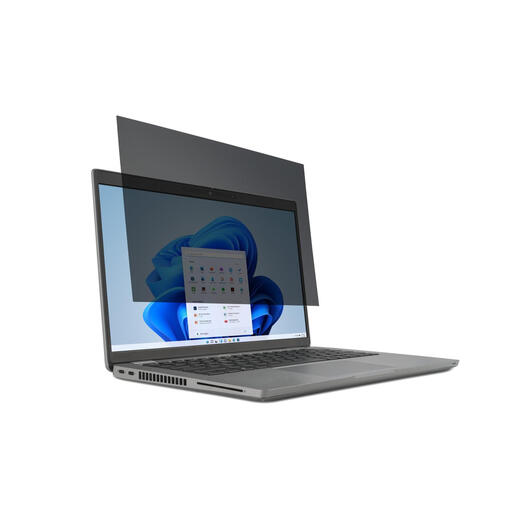
Why This Fits Their Persona: For those who regularly work on the train, in co-working spaces, or at cafés. This filter shields sensitive information from prying eyes from the side, which is essential for protecting company or personal data.
This filter is reversible (matte/glossy) and compatible with touchscreens, sidestepping the pitfall of reduced functionality. The included mounting tabs make it easy to remove.
Viewing Angle: Limits the viewing angle to +/- 30 degrees. Also includes a blue light filter to reduce eye strain.
We have a complete and up-to-date overview of products that meet these selection criteria and current regulations.
Below you will find answers to some frequently asked questions about privacy screens.
Most screens made of HDPE, polyester, or textilene can be cleaned easily. Use a soft brush and a solution of water with mild soap. Rinse the screen thoroughly afterwards with a garden hose. Avoid using a pressure washer, as the powerful jet can damage the material, especially the stitching or coating.
The lifespan depends heavily on the material and exposure to weather conditions. A quality HDPE screen with UV protection can last 5 years or more. Cheaper versions without UV treatment often lose their colour and strength after just one or two seasons. For retractable screens, it is advisable to roll them up during strong winds or storms to prevent damage to the fabric and mechanism.
A laptop privacy filter reduces light transmission, which does make the screen slightly darker, even when you are sitting directly in front of it. This is a direct consequence of the technology that limits the viewing angle. Most users can compensate for this by slightly increasing their screen's brightness. Many filters offer a reversible design with a glossy and a matte side. The glossy side typically provides a slightly brighter image, while the matte side reduces reflections.
