
Vandaag of morgen in huis

Kwaliteit gegarandeerd

Welkomstaanbiedingen ontgrendelen: GRATIS bezorging | Tot 80% korting | Gratis 30 dagen JoyPlus-proefperiode
Download de app
A privacy screen can reduce overlooking on your balcony, add extra coverage to a fence or shield your laptop or phone screen on the train. Yet many shoppers buy too quickly based on a photo or a claim such as “complete protection”. The result can be a screen that’s too small, tears quickly or isn’t suited to where you want to use it.
The main pitfalls:
For outdoor use, you’ll find HDPE privacy mesh, polyester with PVC and Textilene.
Look for details such as weight per square metre, weave structure and edge finish. An HDPE screen weighing 95 g/m² is a different option from Textilene weighing 580 g/m². The higher weight tells you more than just how much material has been used; it can also affect the fixings and wind load.
Measure the area first. Check:
A privacy screen for a fence with eyelets along the top and bottom is usually easy to secure with suitable cable ties, hooks or wire. Check whether fixings are included. With a windbreak or shade cloth, even tension is important to reduce flapping and tearing.
A fixed mesh screen is handy for permanent coverage. A retractable side screen offers more flexibility: pull it out when you want privacy and roll it away again when you want to open up the space. For Ochama models, the guidance is to retract the screen immediately in strong winds or during a storm.
The surface you’re fitting it to matters on a balcony, too. A heavy, solid fabric can put extra strain on the railing. Only use fixing points that are suitable for your balcony structure. Outdoor products with UV treatment may retain their colour and material for longer; always check exactly what the manufacturer states rather than assuming a general lifespan.
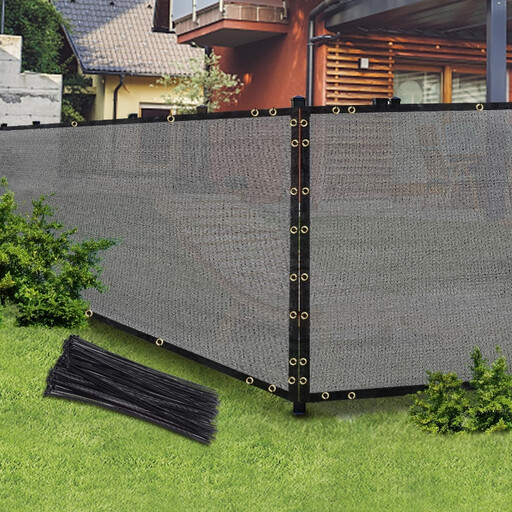
Why it suits this user type: A long roll of HDPE mesh offers a flexible solution for several areas of a garden, balcony or patio.
The width of 1.50 m and length of 50 m are clearly stated. The hemmed edges are designed to make the screen more secure when fixed in place.
100% new HDPE, 95 g/m², light grey and UV-treated according to the product description.
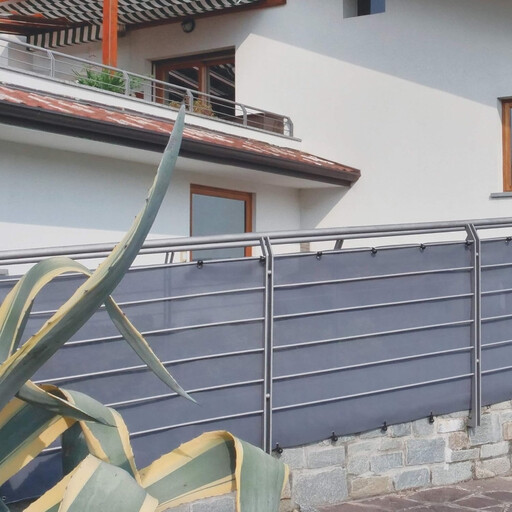
Why it suits this user type: This Textilene privacy screen is a good fit if you’re looking for a fixed, neatly finished solution for your garden, balcony or fence.
The material and dimensions are clearly specified. Aluminium eyelets along the top and bottom allow for even fixing.
Textilene made from PVC and polyester, 1.5 x 5 m, described as weather- and tear-resistant, and easy to cut to size.
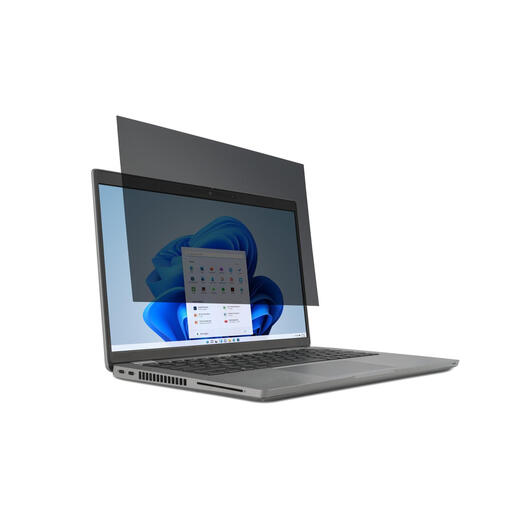
Why it suits this user type: Ideal for the office, train or hot-desking when you want to stop people looking at your laptop screen.
It’s designed for 15.6-inch laptops with a 16:9 aspect ratio. Before buying, check the exact screen size and bezels too.
According to the product description, the filter limits the viewing angle to 30 degrees. It’s reversible, with a matte side and a glossy side.
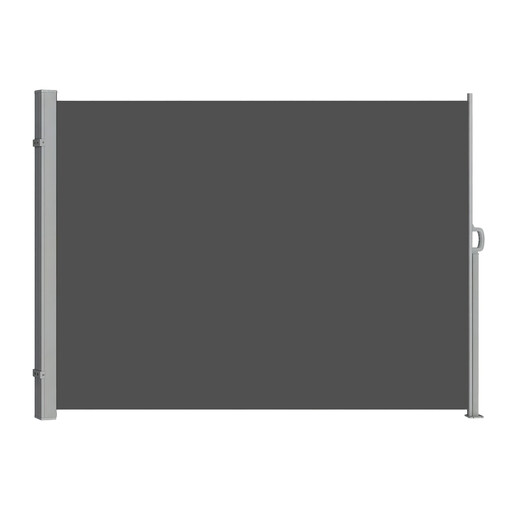
Why it suits this user type: A retractable side screen is a good choice when you only need privacy at certain times.
The product information lists a mounting kit, ground bracket and safety lock. The fabric should be retracted in strong winds.
Dimensions: 180 x 400 cm; 220 g/m² polyester with a PU coating; described as water-repellent; steel frame.
We’ve put together a complete, up-to-date list of products that meet these strict selection criteria and the applicable European safety regulations.
A laptop privacy filter works differently from a garden privacy screen. The viewing angle, screen aspect ratio and fixing method are key. For an iPhone, check the exact model, such as iPhone 16, iPhone 16 Pro, iPhone 17 or iPhone 17 Pro Max. An iPhone screen protector designed for a different model may cover the camera, edges or sensors incorrectly.
Also consider the difference between a privacy layer and a scratch-resistant layer. According to the product descriptions for the VoxorAI models, the screen darkens when viewed from the side and the glass has a 9H hardness rating. These are product specifications; the viewing experience may vary depending on the light and viewing angle. Apply the screen protector to a dust-free screen and avoid removing and reapplying it repeatedly.
Unroll the screen, keep the top edge straight, then secure it evenly along the top and bottom. Use fixings that are suitable for both the fabric and the fence. Don’t leave any loose loops hanging, and check after fitting that the screen isn’t stretched too tightly.
Its lifespan depends on the material, UV exposure, wind and installation. According to TENAX’s own product information, some meshes are UV-treated; the light grey HDPE model is listed as retaining its colour for five years. This doesn’t guarantee the same lifespan in every garden. Take the screen down during a storm or retract a retractable model.
No. A privacy filter is designed to limit viewing from the side. An iPhone screen protector is usually a protective layer against scratches and knocks, sometimes with a privacy function as well. Always check the model number, screen size and stated viewing angle before ordering.
