
Vandaag of morgen in huis

Kwaliteit gegarandeerd

Welkomstaanbiedingen ontgrendelen: GRATIS bezorging | Tot 80% korting | Gratis 30 dagen JoyPlus-proefperiode
Download de app
A privacy screen seems like a simple purchase, until you notice the colour has faded after one season, the fabric has started to tear, or it doesn't provide nearly the privacy you had in mind. Many products look great online but fall short in practice. To prevent you from wasting your money, we'll pinpoint the problem: the three most common pitfalls and how to navigate them.
To avoid the pitfalls above, focus on a few objective product features. These specifications tell you more than any marketing copy.
The material determines the durability, appearance, and functionality of your garden partition.
This is arguably the most important specification for determining the level of privacy. A higher number generally means a more densely woven and therefore more opaque screen.
Always check if the screen is finished with a reinforced, hemmed edge. This prevents the material from fraying or tearing. Sturdy metal or plastic mounting eyelets (grommets), ideally spaced every 50 to 100 cm, are essential for a taut and durable installation.
Not every privacy screen is right for every situation. Below, we match several products to specific user profiles based on their objective specifications.
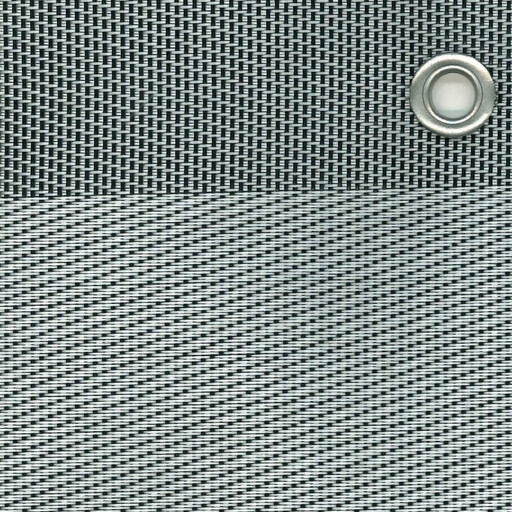
Why This Fits Their Persona: Perfect for those who live in an apartment with a balcony or terrace and value a modern look in addition to privacy. The size is ideal for most railings, and the grey colour complements contemporary decor.
The heavy weight of 580 g/m? and the textilene material (polyester and PVC) ensure excellent screening, avoiding the pitfall of a see-through screen. The aluminium eyelets and tear-resistant properties counter the problems of poor finishing.
Decorative, elegant appearance. Very high density for maximum privacy. Equipped with aluminium eyelets for simple and quick installation.
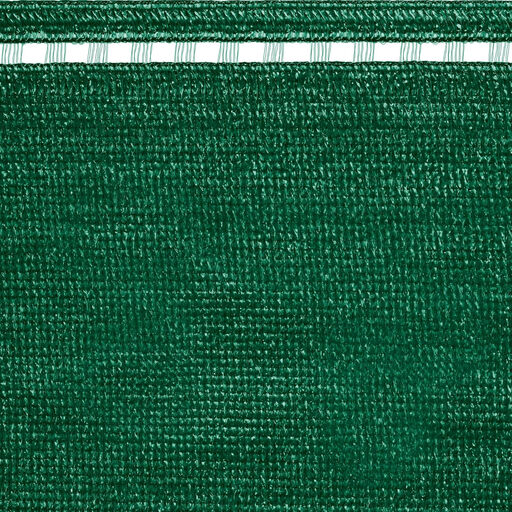
Why This Fits Their Persona: A practical and durable solution for anyone looking to cover a standard fence or railing. The focus is on functionality: complete privacy and a long lifespan.
Made from 100% HDPE and treated against UV radiation, it won't quickly discolour or become brittle. The very compact and dense weave structure provides complete protection from prying eyes. The eyelets along the edges prevent installation issues.
Durable and weather-resistant HDPE material. Dense weave for maximum privacy. Equipped with eyelets for easy attachment.
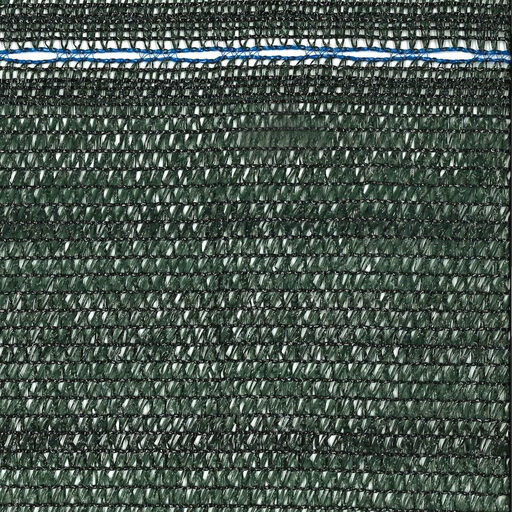
Why This Fits Their Persona: Ideal for screening large areas, such as a long garden boundary, a campsite, or a sports facility. The 100-meter roll offers a cost-effective solution for large-scale projects.
This woven HDPE mesh is treated to resist UV rays, preventing it from discolouring or fraying. The finish with loops along the edges is specially designed for easy installation over long distances, countering the pitfall of a difficult setup.
Large 100-meter roll for a cost-effective price per meter. UV-resistant and durable HDPE material. Equipped with loops for easy installation.
We have compiled a complete, up-to-date list of products that meet these selection criteria and comply with current regulations.
The most common method is with zip ties (cable ties) or special mounting clips. Thread them through the screen's eyelets and attach them to your fence, railing, or balcony balustrade. Make sure to pull the screen taut. A tightly stretched screen not only looks neater but also prevents flapping in the wind, which significantly extends its lifespan.
A quality HDPE mesh with a good UV treatment can last for several years. Expect a lifespan of 3 to 5 years, and sometimes longer, depending on the amount of direct sunlight and weather conditions. The UV stabiliser in the material is the crucial factor here. Some manufacturers, like TENAX, guarantee the colour for specific products for up to 5 years.
Yes, especially the woven variants that function as a windbreak net. The mesh structure of an HDPE screen allows some of the wind to pass through. This reduces the pressure on both the screen and the structure it's attached to. A completely solid, non-permeable screen will catch significantly more wind and places higher demands on its mounting. A correct and taut installation is essential in all cases.
