
Vandaag of morgen in huis

Kwaliteit gegarandeerd

Welkomstaanbiedingen ontgrendelen: GRATIS bezorging | Tot 80% korting | Gratis 30 dagen JoyPlus-proefperiode
Download de app
Want to relax on your balcony or in your garden without prying eyes from neighbours or passers-by? A privacy screen seems like the perfect solution. Yet, a hasty purchase often leads to disappointment. Many screens discolour, tear at the first sign of a storm, or offer less privacy than promised. Before you invest in a garden screen or balcony screen, it's wise to know what to look for.
We've outlined the three most common pitfalls to help you avoid a bad purchase and choose a screen that will last for years.
Pitfall 1: The material degrades after one season A common complaint is that after a few months in the sun, a screen becomes brittle and tears. This is due to a lack of UV stabilisation. Inexpensive plastics are broken down by sunlight, causing the colour to fade and the material to lose its strength.
Pitfall 2: Weak mounting points that tear out You've installed the screen neatly, but with the first strong gust of wind, the eyelets or loops tear out. The force of the wind on a windscreen is often underestimated. If the edges aren't reinforced and the mounting points are low-quality, the screen will be unusable in no time.
Pitfall 3: A "privacy fabric" you can see right through A screen might look opaque in its packaging, but once installed with the sun behind it, it can turn out to be quite transparent. The degree of privacy directly depends on the material's density, often expressed in grams per square metre (g/m?). Marketing photos can be misleading in this regard.
You don't need to be a materials expert to make the right choice. Pay attention to the following three points, and you can be confident you're getting a functional and durable product.
The density, expressed in grams per square metre (g/m?), is a reliable indicator of opacity and durability.
fence screening or shade cloth. A higher weight (e.g., 150 g/m? or more) typically means a denser weave and therefore more privacy.retractable privacy screen. It feels more like a sturdy fabric and is often water-repellent. Look for a weight of around 200-280 g/m? for good privacy and durability.A high-quality privacy screen is treated with a UV stabiliser. This protects the material from degradation by sunlight. Brands that mention this in their product information, like Tenax, show that they have considered the product's lifespan. This prevents your screen from becoming brittle and discoloured after just one summer.
Think about how you want to use the screen.
balcony screen or garden screen on a roll is ideal for permanently screening a fence or balustrade. You install it once and don't have to worry about it again.patio screen that you can extend offers flexibility. You can create a sheltered corner when you need it and retract it when you want to enjoy an open view. Pay close attention to the quality of the rolling mechanism and the frame.Based on these criteria, we have selected a number of products that suit different needs and situations.
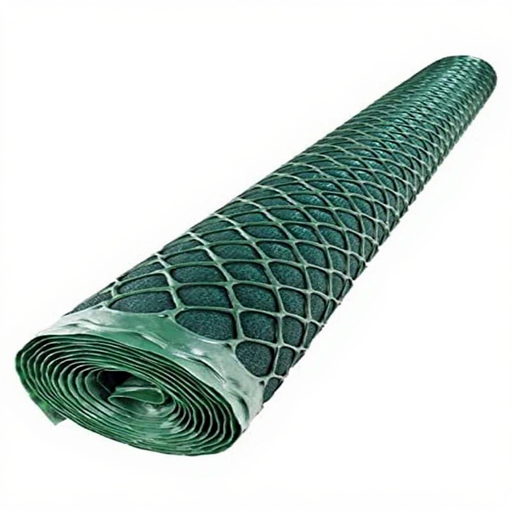
Why This Fits Their Persona: A no-nonsense solution for those who want quick and effective privacy on a standard balcony. The 1x3 metre size is perfect for most balustrades, and installation is straightforward.
The product information explicitly states that the screen is UV-resistant and has a reinforced hem. This directly addresses the pitfalls of material degradation and weak edges.
According to the manufacturer, it offers complete opacity and is made from durable synthetic material. A reliable and affordable choice for instant privacy.
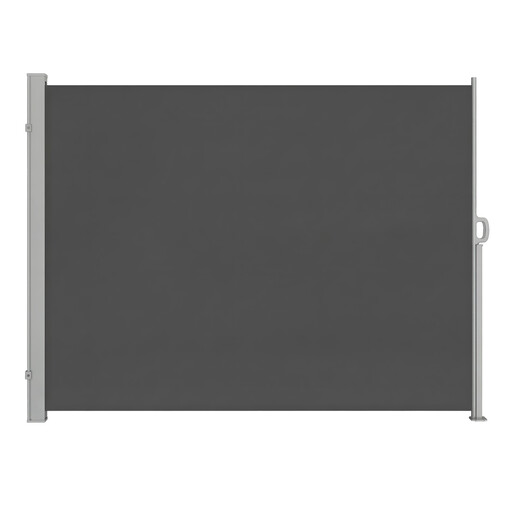
Why This Fits Their Persona: Ideal for those who want privacy and shelter from wind or sun on demand. Perfect for creating a cosy corner on the patio, yet easily retracted for an open feel.
The fabric is a premium 220 g/m? polyester with a PU coating, which ensures good opacity. The steel frame and smooth spring mechanism are designed for durability and ease of use.
Flexible in use and water-repellent. According to the manufacturer, the fabric also offers UPF 50+ sun protection, which is an added benefit.
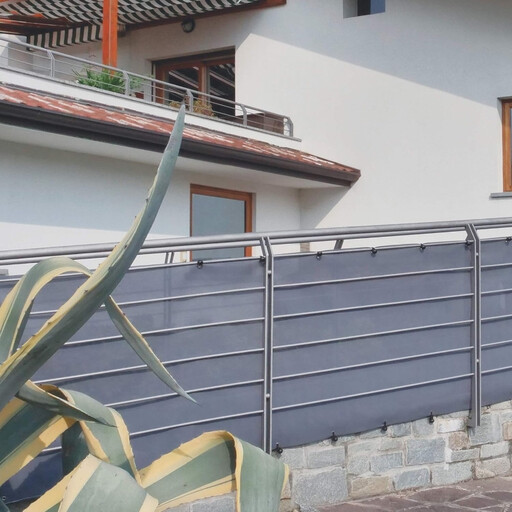
Why This Fits Their Persona: For those who want to combine functionality with a modern look. This screen is more than just a privacy fabric; it's a decorative element that complements a sleek garden design.
With a weight of 580 g/m?, this is an extremely sturdy screen that offers maximum privacy. It is tear, wind, and sun-resistant, and the aluminium eyelets are significantly stronger than standard plastic loops.
Combines a high degree of privacy and extreme durability with a sophisticated, woven textile look. According to the manufacturer, it can be cut to size without fraying.
A good privacy screen is an investment in comfort and peace of mind. The options above are a starting point. Explore our full, up-to-date selection to find the perfect match for your garden or balcony.
The key is to use all available mounting points. Secure the privacy fabric to your fence or balustrade with sturdy zip ties or special mounting clips. Ensure the fabric is pulled taut to minimise flapping. For a retractable privacy screen, follow the manufacturer's advice: retract the screen during high winds or storms to prevent damage to the fabric and mechanism.
HDPE is a robust, woven synthetic material that is highly weather-resistant and often used for a fixed fence screen. It is designed to be left outdoors permanently. Polyester (often with a coating) is a textile material used for retractable screens. It is lighter, often water-repellent, and feels less like plastic. The choice depends on your preference: a permanent and ultra-strong screen (HDPE) or a flexible and fabric-like screen (polyester).
That depends on the material. Some woven HDPE screens can be cut, but the edges may fray. Products like the TENAX Texstyle screen are specifically designed by the manufacturer to be cut without fraying. Always check the product information before you take scissors to it. A retractable screen, of course, cannot be shortened.
