
Vandaag of morgen in huis

Kwaliteit gegarandeerd

Welkomstaanbiedingen ontgrendelen: GRATIS bezorging | Tot 80% korting | Gratis 30 dagen JoyPlus-proefperiode
Download de app
Want more privacy in your garden or on your balcony? A privacy screen is a fast and effective solution. But the market is vast, and not every screen is worth its price. Many products look great online but turn out to be a poor investment in practice. As a Joybuy Product Recommendation Officer, I'll help you make the right choices based on the specifications that truly matter.
Before you purchase a privacy screen, it's wise to know the most common pitfalls. This will help you avoid disappointment and unnecessary costs.
To avoid these pitfalls, it's crucial to examine a few key specifications. These determine the lifespan and effectiveness of your garden screen or balcony screen.
The material is the foundation of a durable screen. Most screens are made of HDPE or a blend of polyester and PVC.
The density, often expressed in grams per square meter (g/m?), is a reliable indicator of the level of privacy and durability. A higher number generally means:
A lightweight shade cloth might weigh around 90 g/m?, whereas a highly opaque and strong privacy screen can go up to 230 g/m? or even more.
How you install the screen is crucial for its stability, especially if it also needs to function as a windbreak.
Below are several product options, tailored to different user profiles.
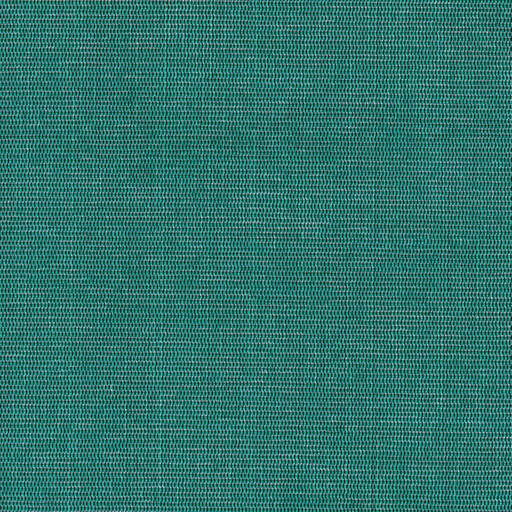
Why This Fits Their Persona: Ideal for those looking to quickly and easily screen a standard balcony railing. The 1x5 meter size is perfect for most balconies, and installation is straightforward. It offers a good balance between privacy and a decorative look.
This screen is made from HDPE with a weight of 180 g/m?. This is significantly more robust than flimsy alternatives, providing genuine privacy without being completely translucent.
According to the manufacturer, the fabric is tear-resistant and colourfast. The woven appearance adds a decorative touch.
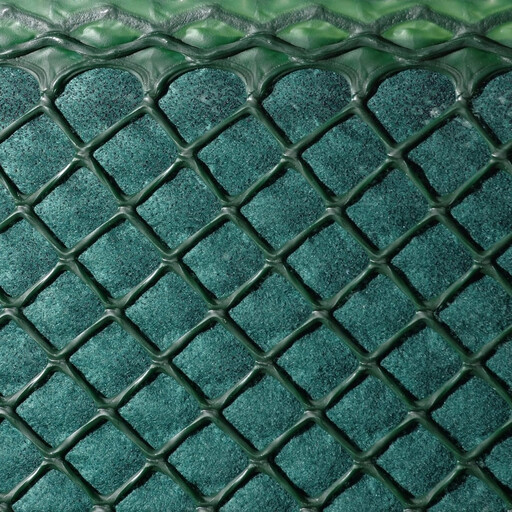
Why This Fits Their Persona: For those who want to completely shield an existing fence or railing from view and wind. This screen is designed for maximum opacity and robustness, ideal for creating a sheltered spot in the garden.
This product tackles the "false privacy" pitfall. The combination of an HDPE mesh with a non-woven polypropylene fabric ensures complete screening, according to the manufacturer. The reinforced edge prevents tearing.
Highly opaque and robust. The double layer provides extra strength, making it also suitable as a windbreak.
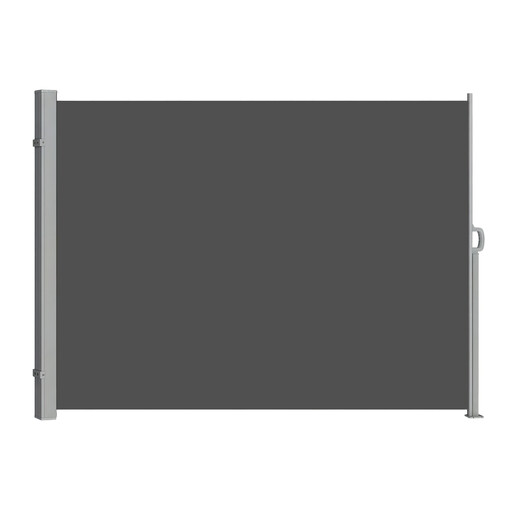
Why This Fits Their Persona: Perfect for patios where you don't want a permanent screen. This retractable windbreak provides privacy and shelter whenever you want it. It's great for shielding a seating area from the wind or neighbours.
This system bypasses the "premature weathering" pitfall. Because the fabric retracts into the cassette, it is protected from the elements when not in use. The steel frame provides the necessary sturdiness.
Flexibility and durability. The fabric is 220 g/m? polyester with a PU coating, which the manufacturer states is water-repellent and offers UPF 50+ protection.
We have compiled a complete, real-time list of products that fully satisfy these strict selection criteria and UK safety regulations.
Most screens on a roll have metal eyelets along the edges. You can easily secure them with zip ties (cable ties) or special mounting wire. Make sure to use all the eyelets and pull the screen taut. This prevents the wind from getting underneath it and reduces the risk of tearing.
The lifespan depends heavily on the material, UV resistance, and weather conditions. A high-quality HDPE screen with high UV stability can last for several years. Cheaper, untreated screens may show signs of wear after just one or two seasons. A retractable screen often lasts longer because the fabric is protected when not in use.
This depends on the material. Some screens, like those made of Textilene, can be cut without fraying, according to the manufacturer. For many woven HDPE fabrics, this is not recommended, as the edges will lose their strength and may start to unravel. Always check the manufacturer's product information before cutting.
