
Vandaag of morgen in huis

Kwaliteit gegarandeerd

Welkomstaanbiedingen ontgrendelen: GRATIS bezorging | Tot 80% korting | Gratis 30 dagen JoyPlus-proefperiode
Download de app
A morning coffee in the sun on your balcony, or a barbecue with friends in the garden. These are moments you want to keep for yourself, free from the feeling of prying eyes. A privacy screen is a practical and cost-effective solution. However, the market is flooded with options that look promising in the packaging but disappoint in practice.
Before you invest in more privacy, it's crucial to understand the common pitfalls. Many screens succumb to sun and wind, meaning your purchase might need replacing after just one season.
A good privacy screen doesn't have to be expensive, but it must meet a few basic requirements to properly function as garden screening or a balcony screen.
To avoid buyer's remorse, pay attention to a few objective specifications. These provide a clear indication of quality and longevity.
The most common material for a privacy screen is HDPE (High-Density Polyethylene). This is a strong, lightweight, and relatively inexpensive plastic. A crucial detail is whether the material has been treated with a UV stabiliser. Without this treatment, the polyethylene will quickly degrade under sunlight.
Some more decorative screens, like the TENAX Texstyle, use Textilene (a combination of polyester and PVC). This material often has a more fabric-like appearance and is highly tear-resistant, but typically also heavier and more expensive.
The level of privacy a screen offers is often best expressed by its weight per square metre (g/m?). This is a more reliable indicator than vague marketing terms.
A proper screening net or fence screen will have reinforced edges and mounting points. The presence of metal eyelets (also known as grommets) is a major advantage. Aluminium eyelets are preferable to steel as they do not rust. Also, note the distance between the eyelets; a smaller gap (e.g., every 50 cm) ensures a tighter and more secure installation. Products without any fastening points require more improvisation and are more vulnerable to tearing.
Based on these objective criteria, we have selected several products that suit different user profiles.
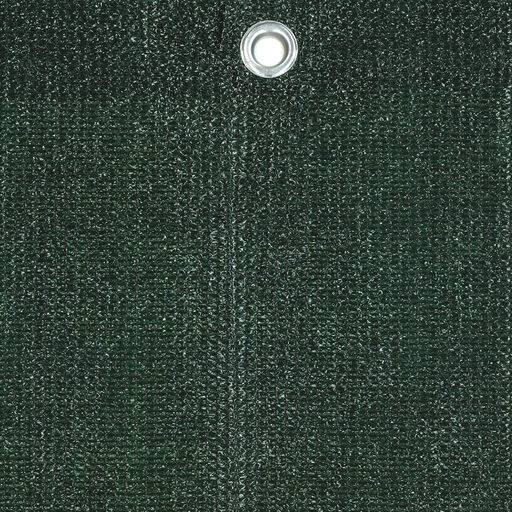
Why it's a match: With its 1x5 metre dimensions, this screen is ideal for a standard balcony railing. It not only provides privacy but also functions as an effective windbreak, allowing you to sit outside more comfortably.
The integrated aluminium eyelets along the edges prevent the 'flapping frustration'. You can attach the screen securely and easily without the risk of it tearing out. The UV-stabilised polyethylene is resistant to sunlight.
Simple and quick installation thanks to the eyelets. Offers a good balance of privacy and wind protection for a sheltered seating area.
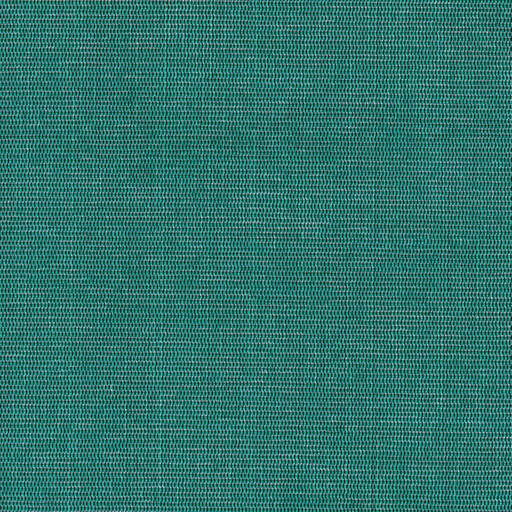
Why it's a match: For those looking for more than a standard green net. This **Tenax garden screen** has a woven texture that resembles fabric, giving a more decorative and upscale look to your garden screening.
With a weight of 180 g/m?, this screen tackles the 'illusion of privacy' pitfall. It offers a high degree of opacity. The strong, tear-resistant weave ensures a long lifespan and resistance to the elements.
Decorative fabric-look combined with high density for excellent privacy and a polished appearance.
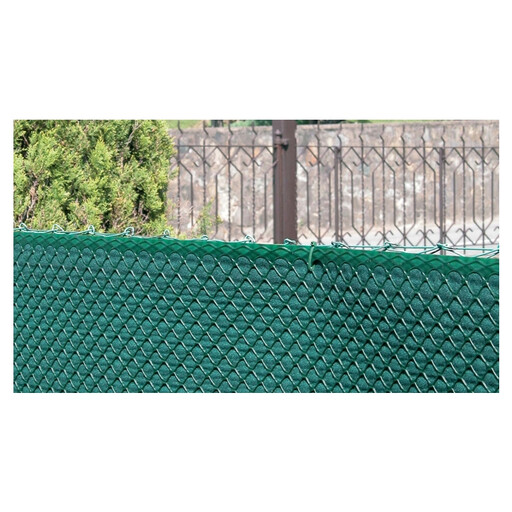
Why it's a match: For those who want to make zero compromises on privacy. This screen combines a plastic mesh with a non-woven fabric, ensuring virtually complete opacity. Ideal for long fences or partitions at campsites.
This product is specifically designed for total screening. The dual-layer construction completely eliminates the 'illusion of privacy'. Its reinforced, smooth-finished edges make it robust and tear-resistant for long-term use.
Maximum opacity thanks to the combination of mesh and non-woven fabric. Extremely robust and suitable for situations where privacy is the top priority.
We have compiled a complete, up-to-date list of products that fully meet these strict selection criteria and quality standards.
The most common method is with zip ties (cable ties) or special binding wire. Thread them through the screen's eyelets and attach them to your fence, railing, or fence posts. For a taut result without flapping, place a fastening every 30 to 50 centimetres, along both the top and bottom.
The lifespan depends heavily on the material quality and the presence of a UV treatment. A cheap, untreated screen can become brittle and tear after just one summer. A quality HDPE screen with a good UV stabiliser can last for several years, even in direct sunlight.
A completely opaque screen catches a lot of wind and can act like a sail. This puts significant pressure on both the screen and the structure it's attached to. A windbreak screen has a more open weave that allows some wind to pass through, reducing the pressure. If you live in a windy area, either choose a screen specifically described as a windbreak net or ensure a very secure installation with numerous fastening points.
