
Vandaag of morgen in huis

Kwaliteit gegarandeerd

Welkomstaanbiedingen ontgrendelen: GRATIS bezorging | Tot 80% korting | Gratis 30 dagen JoyPlus-proefperiode
Download de app
A privacy screen for your fence can quickly shield your garden, balcony or patio from prying eyes. However, not every screen is suitable for every situation. A lightweight plastic mesh might work perfectly on a balcony, but be less appropriate for a long, windy fence. Even a screen that looks sturdy can cause problems if the fixing method isn’t right.
So, pay particular attention to these common pitfalls:
Most screens are made from polyethylene, often referred to as HDPE, or a combination of PVC and polyester. HDPE meshes are generally lightweight and easy to work with. A tighter-woven fabric offers more privacy, but also catches more wind.
An open garden screening mesh lets more air through. That can be practical on a balcony or fence. A densely woven fabric is better suited to a garden where you need to block out views significantly. Don’t just look at terms like “privacy” or “windproof”; check the material, the weight per square metre and the finish of the edges.
Measure your fence, balcony railing or barrier at several points. Then check:
A sight screen for your fence needs to be mounted taut enough to reduce flapping, but not so tight that it puts unnecessary strain on the fixing points or the fence itself. On a long fence, extra fixing points are usually a good idea. After stormy weather, check the screen for loose clips, tears and fraying.
A UV-resistant privacy screen can be more suitable for long-term outdoor use, but always read exactly what is stated. According to the product description from TENAX, certain Soleado and Bahia models are UV-treated; some models claim a colour fastness of five years. This is information from the manufacturer, not a guarantee that the screen will keep the same appearance for five years in every condition.
Practical maintenance is usually straightforward. Many plastic screens can be rinsed with water or cleaned with a damp cloth. Don’t use harsh cleaning products without first checking the product information.
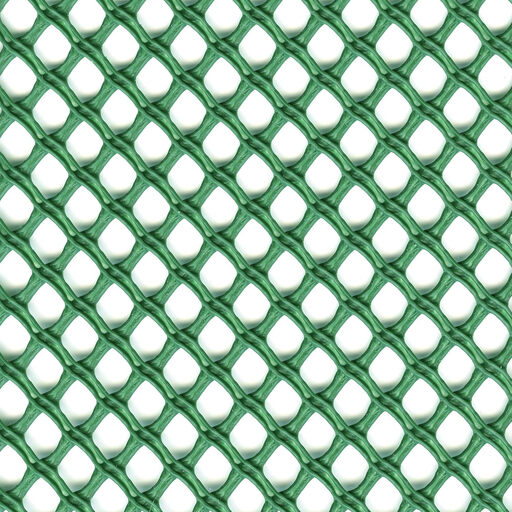
Why this fits the profile: This green mesh is suitable for a first layer of screening on a balcony, patio or short fence. It can be cut to size with ordinary scissors.
The specifications state 1 x 5 m, UV treatment and fixing with plastic ties. Please note: the ties are not included.
1 x 5 m, can be cut to size and suitable for balconies, fences and patios.
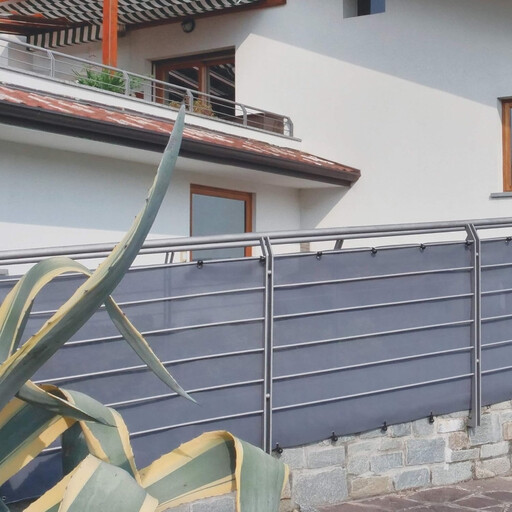
Why this fits the profile: The high weight of 580 g/m² and the textile-like finish suit a patio or garden where appearance and robust screening matter.
The aluminium eyelets along the top and bottom edges provide fixed mounting points. Fixing materials must be chosen separately.
1.5 m high, 5 m long, tear-resistant according to the product description and can be cut to size.
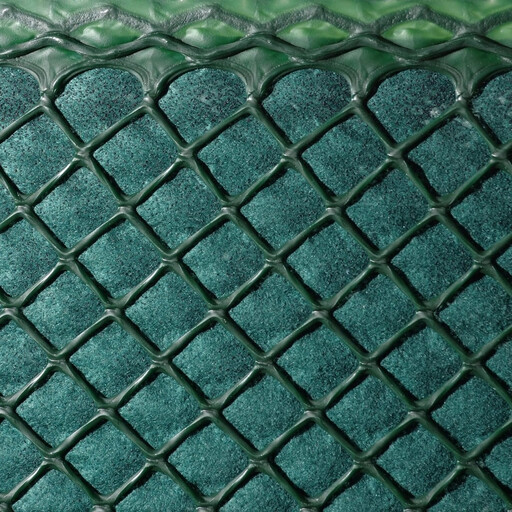
Why this fits the profile: This solid screen is designed for gardens, fences, balconies and patios where strong visual screening and wind reduction are desired.
The product description mentions a reinforced, non-sharp edge and a combination of HDPE and PP. Still ensure a sturdy installation, especially in exposed locations.
1.5 m high, 5 m long and designed as a compact screen for multiple outdoor applications.
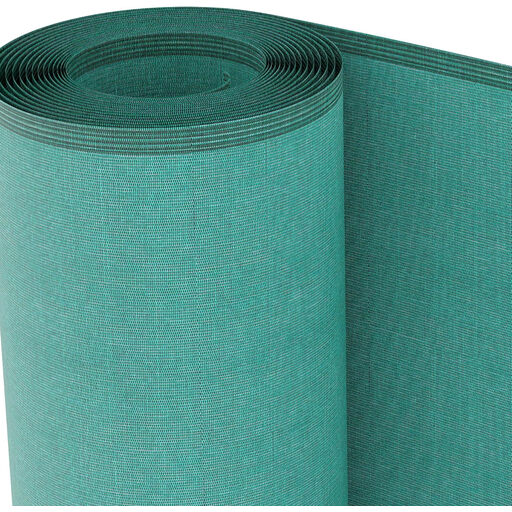
Why this fits the profile: The 10-metre roll is practical when you want to cover a longer fence, garden edge or pool area with a single product.
The dense, flat HDPE weave is clearly described and prevents you from relying solely on a general marketing term.
1.5 x 10 m, HDPE material and a woven finish with a textile-like appearance.
We’ve put together a full, up-to-date list of products that fully meet these strict selection criteria and comply with current European safety regulations.
Unroll the screen, keep it straight and fix it at the corners first. Then distribute the remaining fixing points evenly along the top and bottom edges. Use suitable cable ties, clips, hooks or wire. With a solid screen, extra fixing is advisable because it catches more wind. A privacy screen is not a climbing element, fall protection or load-bearing structure.
That depends on the material, UV exposure, wind, installation and maintenance. According to the product description of certain TENAX meshes, they are UV-treated and some models claim five years of colour fastness. This is a factory claim under the stated conditions. Check the screen regularly and replace it if there are tears, loose edges or damaged fixing points.
A privacy screen requires no electricity, and the running costs mainly consist of the purchase price, fixing materials and possible replacement. Also factor in the length you need: a 5-metre roll might seem cheaper, but for a long fence, multiple rolls or a 10-metre version could be more practical. So compare the price per square metre rather than just the price per pack.
