
Vandaag of morgen in huis

Kwaliteit gegarandeerd

Welkomstaanbiedingen ontgrendelen: GRATIS bezorging | Tot 80% korting | Gratis 30 dagen JoyPlus-proefperiode
Download de app
Enjoying your garden, patio, or balcony in complete privacy. It's a common desire, but reality can often fall short. A quality privacy screen is the perfect solution, not just for seclusion, but also as a windbreak for fencing or a shade cloth. However, the selection is vast, and not every screen is worth the investment. Many products look great online but disappoint in practice.
As a Joybuy Product Recommendation Officer, I'm here to help you make the right choice. We'll look beyond the marketing hype and focus on what truly matters. Here are the most common pitfalls and how to avoid them.
It's easy to make a poor purchase. Watch out for these three common problems to avoid wasting your money and effort.
privacy fabric can be more transparent than expected. The density of the material is the deciding factor here.garden screening fabric can become faded and brittle after just a few months. This is caused by using materials that are not UV-resistant. What seemed like a bargain quickly turns into an annual expense.To avoid a bad buy, it's crucial to pay attention to a few technical specifications. These determine the durability and functionality of your garden privacy protection.
The material is the foundation for your screen's lifespan and appearance.
balcony screen or garden screen. It offers a good balance between durability, flexibility, and price. It is naturally quite UV-resistant and lightweight.The density, expressed in grams per square metre (g/m?), is one of the most important indicators of quality. It tells you how opaque and strong the fabric is.
shade cloth or for light wind reduction. Offers limited privacy.The finish determines how easily and securely you can install the screen. Look for reinforced, hemmed edges. These prevent the fabric from fraying or tearing. Metal (often aluminium) grommets every 50 to 100 cm are essential for a storm-proof installation using zip ties or rope.
Not everyone has the same needs. That's why we've selected a few products that cater to different requirements and situations.
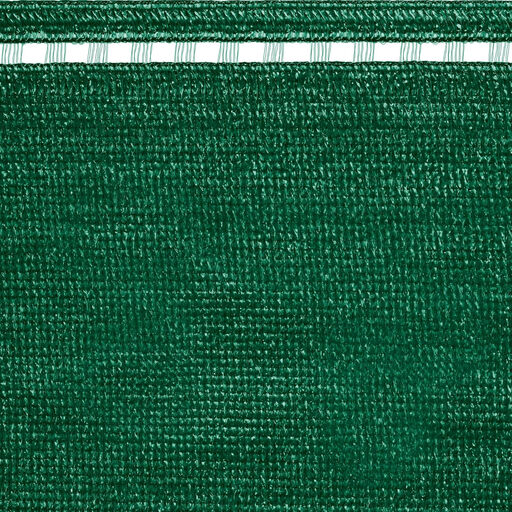
Why it's a match: A functional and affordable solution for a standard garden or balcony. This screen does what it's supposed to do: provide privacy without unnecessary frills. The classic green colour fits into almost any garden.
Made of 100% HDPE and equipped with grommets. This prevents the rapid tearing seen in the cheapest, unreinforced screens.
Excellent balance of price and quality. The grommets along the top and bottom allow for a sturdy and simple installation.
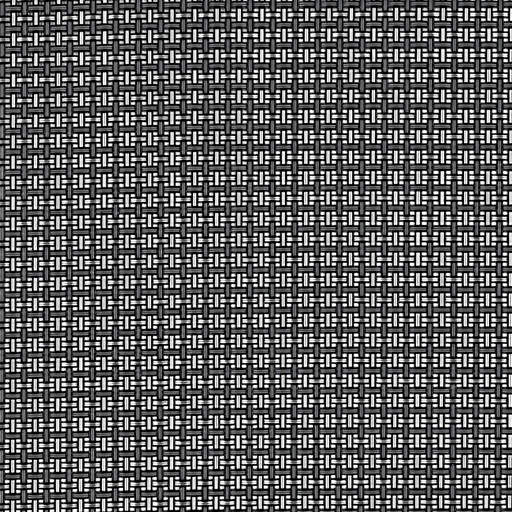
Why it's a match: Perfect for those who value atmosphere and style over complete privacy. The modern design with black, silver, and grey threads adds a sophisticated element to a balcony or patio, complementing modern architecture.
This screen is transparent about its function: it offers low screening and is primarily decorative. This prevents the disappointment of a screen that isn't fully opaque.
Made from durable Textilene with a unique woven pattern. The aluminium grommets ensure a sleek and simple installation.
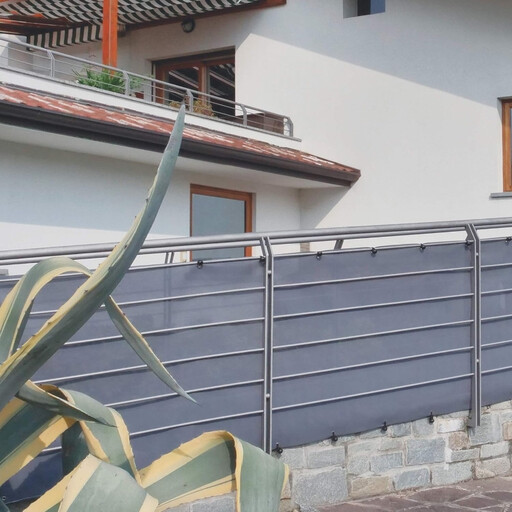
Why it's a match: Ideal for anyone seeking a long-term solution that can withstand the elements while looking sleek. The steel grey colour lends a modern look to any fence or balustrade.
With a weight of 580 g/m? and made from tear-proof Textilene, this screen is built to last. It is UV-resistant and does not weather easily, unlike cheaper alternatives.
Heavy-duty quality for maximum durability and privacy. The material does not fray and can be cut to size with scissors.
We have compiled a complete, up-to-date list of products that meet these strict selection criteria.
This depends heavily on the material and, most importantly, the installation. A heavier windbreak for fencing made of Textilene or densely woven HDPE, secured every 50 cm through its metal grommets with sturdy zip ties, can endure a heavy storm. A lightweight fabric attached only at the corners will fail much more quickly. Therefore, always ensure a proper installation on a sturdy surface like a fence or balcony railing.
Yes, many screens can be cut to size. Materials like Textilene are often woven in a way that prevents fraying. For standard HDPE nets, it's wise to check the product description for the term 'fray-resistant'. If it's not, it's better to fold and secure the excess material rather than cutting it to extend its lifespan.
Fortunately, maintenance is straightforward. Most screens can be cleaned with a garden hose and, if necessary, a soft brush to remove algae or dirt. Do not use harsh cleaning agents, as they can damage the UV coating. The materials are designed for outdoor use and require little other maintenance.
