
Vandaag of morgen in huis

Kwaliteit gegarandeerd

Welkomstaanbiedingen ontgrendelen: GRATIS bezorging | Tot 80% korting | Gratis 30 dagen JoyPlus-proefperiode
Download de app
A privacy screen can transform your garden, balcony, or patio from an open space into a private oasis. But the search for the right screening isn't always straightforward. Many products look great online but turn out to be a disappointment in practice. Before you make a decision, it's helpful to know what to look for to avoid a bad purchase.
As a Joybuy Product Recommendation Officer, I see which products are popular and what pitfalls buyers encounter every day. Here are the three most common mistakes and how you can avoid them.
sight screen that is too transparent. Many cheaper fabrics are sold as privacy screens but are actually low-density shade cloths. The result is that you can still see your neighbours' silhouettes, which completely defeats the purpose of privacy.garden screen that isn't UV-resistant can discolour and become brittle after just one summer. Cheaper plastics harden and tear during the first autumn storm, causing your investment to literally blow away.privacy screen roll without the proper finishing is a recipe for disaster. If the screen lacks reinforced edges and sturdy metal eyelets, it's nearly impossible to mount it tightly and securely. The wind will catch it, leading to tears and a sloppy appearance.To sidestep these pitfalls, it's important to look at a few specific details. These specifications determine whether your garden screening will last for years or will need replacing after just one season.
The choice of material is the foundation of a good privacy screen for fencing. The density, often expressed in grams per square metre (g/m?), tells you directly how opaque and sturdy the fabric is.
opaque screen. It is naturally resistant to moisture and tearing. A higher g/m? weight (e.g., 200 g/m? or more) typically means a higher degree of privacy and a longer lifespan.balcony screen or as a stylish windbreak. The degree of privacy varies with the weave pattern.A product can be made from the right material, but without the proper treatment and finishing, it's still vulnerable.
garden screen always has reinforced, hemmed edges and metal eyelets (grommets) at regular intervals. These eyelets allow for sturdy and simple installation with zip ties or rope and distribute wind tension, which prevents tearing.Not everyone needs the same thing. Below are some recommendations tailored to specific needs and locations.
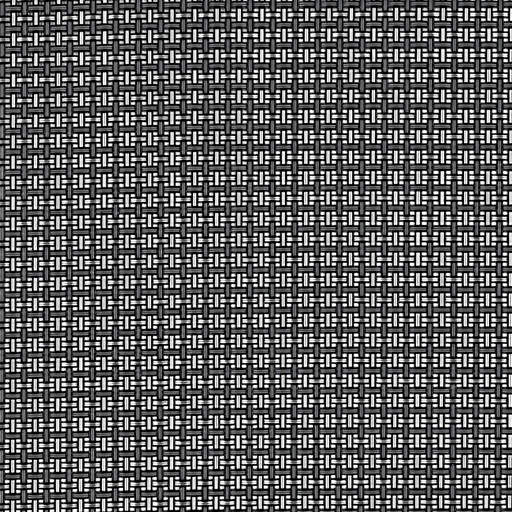
Why This Fits Their Persona: Perfect for those seeking a modern look without completely enclosing their balcony. The 1-metre height is ideal for most railings, and the Textilene material provides a refined, decorative aesthetic that suits an urban environment.
This screen is honestly described as "low screening." It prevents the disappointment of insufficient privacy by focusing on its decorative effect. The aluminium eyelets make installation simple and reliable.
Made from strong Textilene (polyester and PVC) that doesn't fray when cut. The aluminium eyelets along the top and bottom edges ensure quick and sturdy installation.
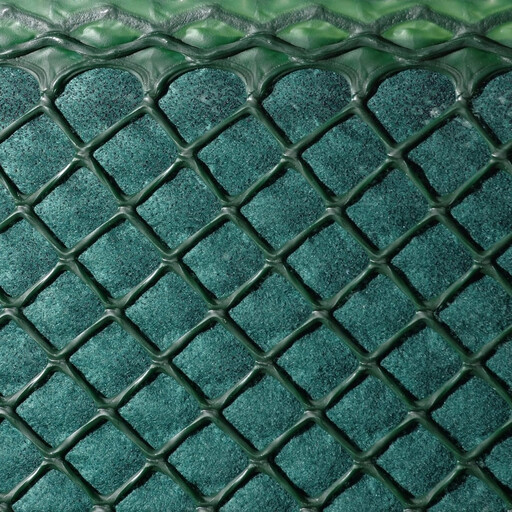
Why This Fits Their Persona: Designed for those who want maximum screening along a garden fence. The combination of HDPE mesh and a non-woven polypropylene fabric creates a nearly opaque and robust barrier.
This screen directly addresses the "privacy trap." The product description emphasizes "total screening" and "highly opaque," which is exactly what you need for maximum privacy. The reinforced edge prevents tearing.
The dual-layer construction (HDPE + PP) offers excellent density and strength. It is ideal for shielding gardens and fences from both prying eyes and wind.
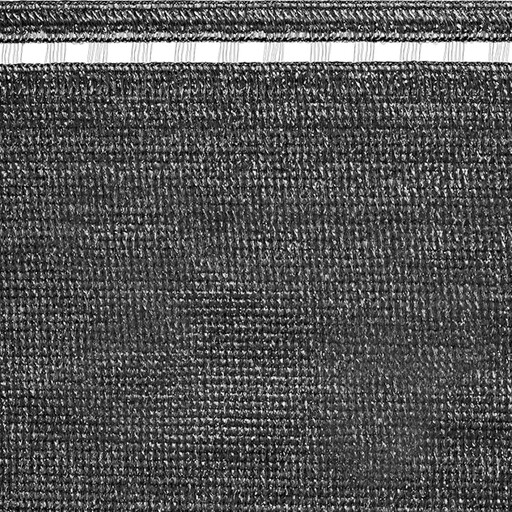
Why This Fits Their Persona: Ideal for screening long stretches of fencing, for example, around a large property or a commercial site. The 50-metre roll provides an efficient and consistent solution for a large-scale project.
This screen combines quality with quantity. It is made from 100% virgin HDPE with a high density of 230 g/m? and is UV-resistant. This avoids the pitfall of a cheap, thin screen that weathers quickly.
Offers "total screening" thanks to its very compact and dense weave. The loops along the edges make installation over a long distance much easier.
We have compiled a complete, up-to-date list of products that fully meet these strict selection criteria and current regulations.
Most privacy screens come with metal eyelets. The easiest method is to use zip ties or special fastening wire to attach the screen to the bars or posts of your fence. Start in a corner and work systematically along the top edge, pulling the screen taut but not overstretching it. Then, secure the bottom edge and, if necessary, the sides. A tightly stretched screen catches less wind and lasts longer.
This largely depends on the quality of the material and the installation. A screen made from a heavier material like densely woven HDPE or Textilene, properly secured at all mounting points, can withstand strong gusts of wind. Lighter screens or those not secured at all points are more vulnerable. A wind-permeable material like Textilene can reduce the pressure on the screen.
That depends on the material. Products made from Textilene, like the TENAX Texstyle screen, are often designed not to fray and can therefore be cut to size with scissors. With standard HDPE screens, cutting can lead to fraying. Always check the manufacturer's product description. If it doesn't mention anything, it's safer not to cut the screen or to hem the edge yourself after cutting.
