
Vandaag of morgen in huis

Kwaliteit gegarandeerd

Welkomstaanbiedingen ontgrendelen: GRATIS bezorging | Tot 80% korting | Gratis 30 dagen JoyPlus-proefperiode
Download de app
A privacy screen seems straightforward: you want to stop people seeing in, so you buy a filter, fabric screen or panel in the right size. But small differences in dimensions, materials and fixings can easily lead to a poor purchase. A laptop filter, for example, might not fit properly because of the wrong aspect ratio, while a garden screen may not have enough support in strong winds.
The three most common pitfalls are:
Looking only at the screen size
A 14-inch laptop doesn’t always have the same aspect ratio. A 16:9 filter won’t necessarily fit a 16:10 model.
Assuming “privacy” means complete screening
A loosely woven windbreak or fence screen can reduce visibility, but may still let shapes or light through. So check the stated level of screening.
Underestimating fixings and weather conditions
A garden, balcony or patio privacy screen catches the wind. Without sturdy fixings, eyelets, rings, posts or a frame can tear away. A retractable privacy screen should also be rolled away in strong winds if the product information advises this.
When choosing a laptop privacy filter, check more than just the diagonal measurement. Also check:
A 30-degree viewing angle, as specified for the Kensington models mentioned, limits the view from the side. This is useful on the train, in the office or in a café, but the screen remains visible from the front. A Kensington privacy filter is therefore mainly designed to limit what others can see, not to physically prevent access to your laptop.
For outdoor use, the following properties are relevant:
A tightly woven screen generally offers more visual screening than a low-privacy screen. A lower level of screening may be preferable if you want to keep the light and view.
First measure the length of the fence, balcony edge or area you want to screen. Allow for overlap and fixing points. Then check:
For a side privacy awning, the installation location is especially important. A retractable model offers flexibility, but needs a sturdy surface and secure anchoring. According to the product description, the Ochama model is intended for sunny or slightly windy days and should be retracted immediately during storms or strong winds.
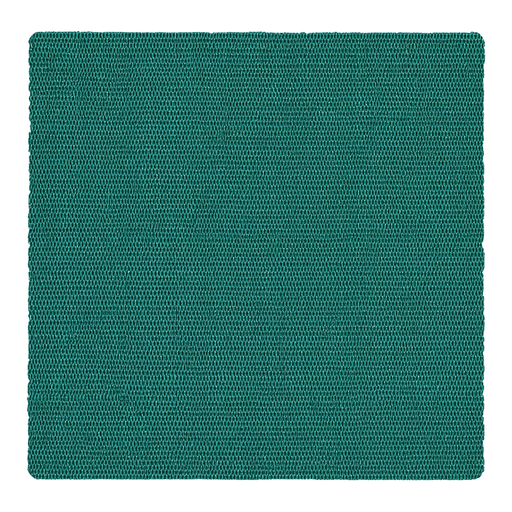
Why it suits this profile: This compact size is suitable for a balcony, a small garden boundary or a limited section of fencing. The fabric is easy to unroll and can be cleaned with water.
The dimensions and material are clearly stated: 1 x 5 metres and HDPE. The smaller roll helps you avoid buying more material than you need.
Woven HDPE, 5-metre length, weight of 180 g/m² and easy cleaning with water.
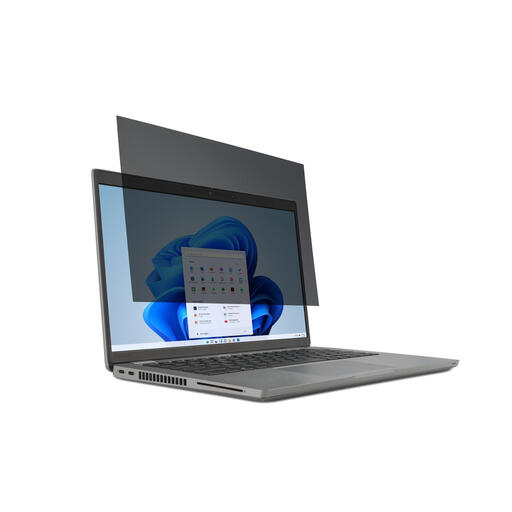
Why it suits this profile: For business laptop users who regularly work in public places and want a removable privacy filter for their laptop screen.
The correct combination of 14-inch size and 16:9 aspect ratio is clearly stated. Even so, check your exact laptop model and the position of its camera and sensors before buying.
30-degree viewing angle according to the product specifications, reversible matte and glossy sides, and attachment with tabs.
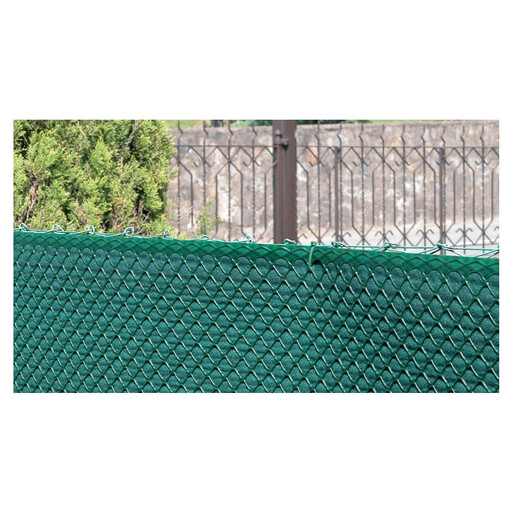
Why it suits this profile: For long fences, large gardens and patios where a high level of screening is wanted and you need plenty of coverage.
The roll is 25 metres long and 1.50 metres high. The reinforced edge and stated UV stabilisation make it suitable for long-term outdoor use, though secure fixing is still essential.
Opaque plastic and textile construction, 25-metre length and a weight of 28 kg.
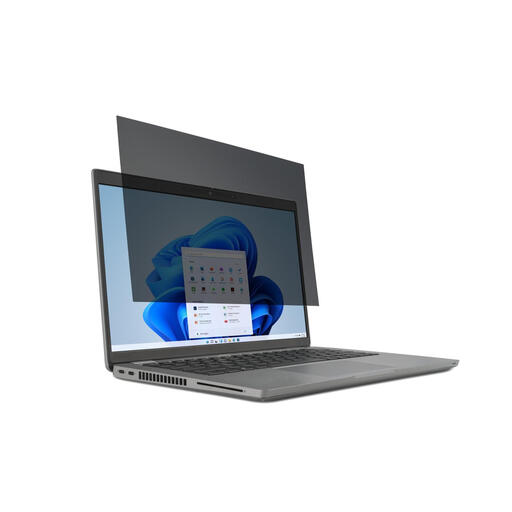
Why it suits this profile: This filter is designed for compact laptops with a 16:10 screen and can be removed when you want to work without a filter at home or on the go.
The less common 16:10 aspect ratio is clearly stated. This reduces the chance of a standard 16:9 filter not fitting properly.
Matte side to reduce glare and fingerprints, glossy side for a brighter image, and support for touchscreen laptops.
We’ve put together a complete, up-to-date list of products that meet these strict selection criteria and current European safety requirements.
First measure the available height and length. If you’re using fabric, use the eyelets provided and attach the screen evenly along the entire edge. Add extra fixing points if the fabric catches a lot of wind. After installation, check that the screen can’t come loose or be used by children as a climbing aid.
Its lifespan depends on the material, sun exposure, damp, wind and installation. According to the product description, UV stabilisation can help preserve the material’s properties and colour for longer, but it doesn’t guarantee protection against wear. Roll away a retractable screen during storms, and regularly check the edges, seams, eyelets and fixing points.
It can, but always check the product specifications and your exact model. The Kensington filters mentioned are described as suitable for laptops with touchscreen functionality. Also check the aspect ratio, screen bezel, webcam and sensors. Clean the filter with a soft, dry or lint-free cloth, and don’t use harsh cleaning products.
