
Vandaag of morgen in huis

Kwaliteit gegarandeerd

Welkomstaanbiedingen ontgrendelen: GRATIS bezorging | Tot 80% korting | Gratis 30 dagen JoyPlus-proefperiode
Download de app
Enjoying your garden, patio, or balcony starts with creating your own private space. A place where you can read a book in peace or enjoy drinks with friends, without feeling like the whole neighbourhood is watching. A privacy screen seems like a simple solution, but the market is flooded with options that overpromise and underdeliver. Before you make a choice, it's wise to know the common pitfalls.
Many people make one of these three costly mistakes:
To avoid these problems, it's helpful to look at a few objective specifications. These determine the quality and lifespan of your garden screen or balcony screen.
The material determines the appearance, durability, and maintenance.
privacy screen or shade cloth. It is lightweight, relatively strong, and often treated for UV resistance. A good choice for those seeking a practical and cost-effective solution.artificial hedge instantly provides a dense, natural-looking barrier. Pay close attention to the quality of the leaves and the UV coating to prevent discolouration.Don't be misled by vague terms like "high density." The objective measure is the weight per square meter, expressed in g/m?. A higher number generally means a more densely woven and sturdier fabric.
shade cloth or light screening, but may not offer complete privacy.fence screen or windbreak usually falls into this category. Textilene screens can even exceed 500 g/m?.Two features that are often overlooked but are crucial for longevity:
Based on these criteria, we have selected a number of products that suit different needs and situations.
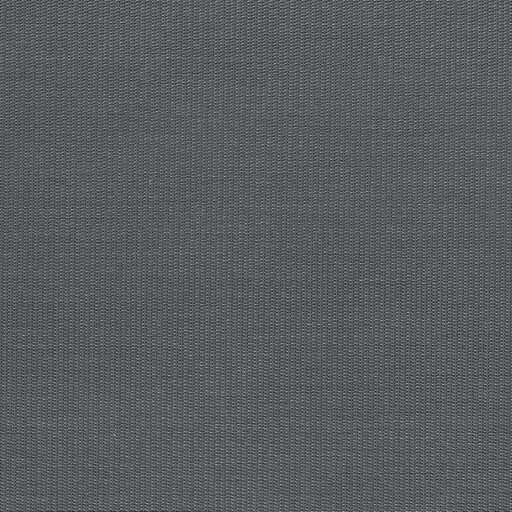
Why This Fits Their Persona: Perfect for those seeking a modern, sleek look for a balcony or patio. The Textilene material has the appearance of woven fabric, which is far more elegant than a standard plastic screen.
The heavy material (580 g/m?) is completely opaque. It is tear, wind, and UV-resistant, preventing premature wear. The aluminium eyelets ensure a solid and durable installation.
Decorative, woven texture. Very high density for complete privacy and wind protection. Can be cut to size without fraying.
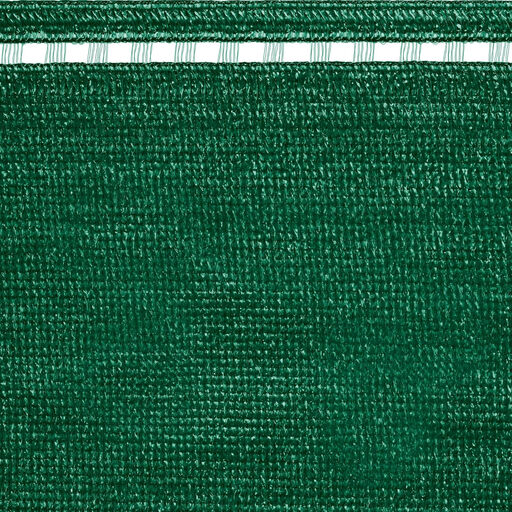
Why This Fits Their Persona: For those looking for a functional, durable, and affordable solution for their garden fence. No frills, just an effective screen that does what it's supposed to do: provide privacy.
Made of 100% HDPE with a very compact weave for complete screening. The UV treatment prevents rapid wear, and the metal eyelets allow for a sturdy installation.
Complete privacy due to the dense weave. UV-resistant for a long lifespan. Simple installation thanks to the eyelets at the top and bottom.
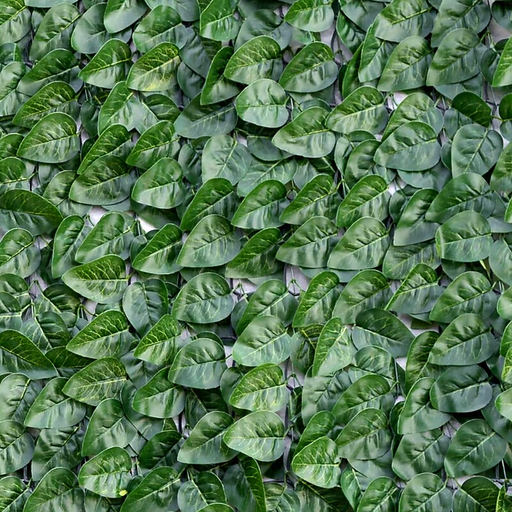
Why This Fits Their Persona: Ideal for those who want the privacy and appearance of a dense hedge but don't have the time or desire for pruning and maintenance. Instantly creates a green, natural atmosphere on a balcony or against an unsightly fence.
Provides immediate 100% privacy with a realistic laurel leaf look. The materials are UV and weather-resistant, ensuring the colour is preserved. The hedge is mounted on a sturdy plastic grid for easy installation.
Realistic and natural appearance without maintenance. Flexible and easy to adapt to different surfaces. Effective screening that enhances aesthetics.
We have compiled a complete, up-to-date list of products that fully meet these strict selection criteria and current regulations.
Most privacy screens and fabrics come with metal eyelets. The easiest way to attach them is with zip ties or sturdy rope to a fence, railing, or balcony balustrade. Make sure the screen is pulled taut. This not only prevents it from flapping in the wind but also provides a neater appearance and a longer lifespan.
The lifespan depends heavily on the material and exposure to weather conditions. A cheap, untreated screen might only last one season. However, a quality HDPE or Textilene screen with a good UV coating can easily last 3 to 5 years or longer, even in harsh climates.
Yes, virtually every privacy screen also functions as a windbreak. The denser the weave (higher g/m?), the more wind it will block. This creates a more pleasant, sheltered spot on your balcony or patio. Keep in mind that a screen that catches a lot of wind also puts more pressure on its attachment points. A very secure installation is therefore crucial.
