
Vandaag of morgen in huis

Kwaliteit gegarandeerd

Welkomstaanbiedingen ontgrendelen: GRATIS bezorging | Tot 80% korting | Gratis 30 dagen JoyPlus-proefperiode
Download de app
A private garden or balcony is a wonderful retreat, but sometimes you just want to enjoy your coffee without the prying eyes of neighbours or passersby. A privacy screen seems like the perfect solution. Yet, the purchase often ends in disappointment. Many screens don't survive their first season or offer less privacy than promised.
As a Joybuy Product Recommendation Officer, I see where things often go wrong. Before you make a choice, it's wise to be aware of a few common pitfalls:
privacy fabric might look opaque in photos, but in reality, it turns out to be quite translucent. This often happens with fabrics that have a low weight (expressed in g/m?).retractable privacy screen is convenient, but only if the mechanism operates smoothly and the construction is sturdy. A jamming roller system or a flimsy frame will only lead to frustration.To avoid buyer's remorse, it's essential to understand three core specifications. These determine the durability and functionality of your screen.
The material is the most critical factor for your screen's lifespan. The most common options each have their own pros and cons.
garden screen or shade sail. A quality HDPE fabric is treated with a UV stabiliser, allowing it to retain its colour and strength for years.The choice between a fixed or retractable screen depends on your needs and the location.
garden partition along an existing fence or railing. Installation is typically straightforward using zip ties or special clips through the built-in grommets.balcony screen, as it also functions as a windbreak. You can easily retract it during storms or when it's not needed.The fabric's density, expressed in grams per square meter (g/m?), is an objective measure of its opacity.
Based on these criteria, we've selected several products that suit different user profiles.
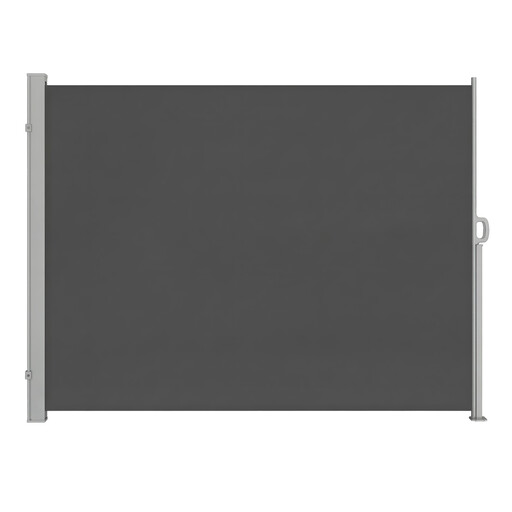
Why it's a match: Ideal for those who want privacy and shelter from the wind exactly when they need it. It quickly creates a secluded corner on the patio and is just as quickly stored away.
The smooth spring mechanism prevents the frustration of a jamming system. Because you retract the fabric, it's protected from extreme weather and UV radiation, which extends its lifespan.
220 g/m? polyester with PU coating provides complete privacy and is water-repellent. The steel frame and included mounting kit ensure a stable installation.
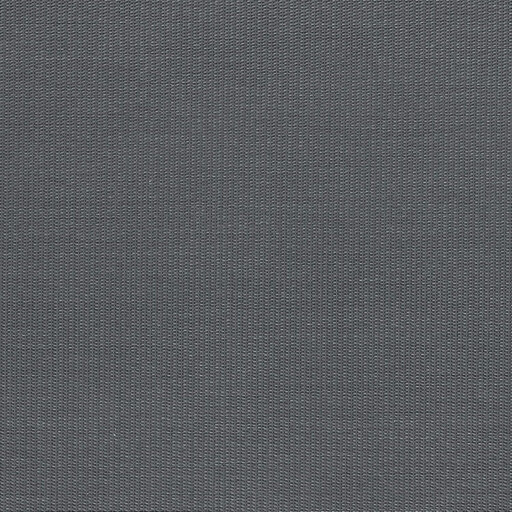
Why it's a match: For those seeking a functional balcony screen that is also an aesthetic upgrade. The woven textile look perfectly complements modern balcony or garden decor.
This screen is made from UV- and tear-resistant Textilene, which prevents fading and wear. According to the manufacturer, the material can be cut to size without fraying, simplifying custom installations.
Offers high protection with a modern look. The aluminium grommets at the top and bottom allow for a taut and quick installation on the railing.
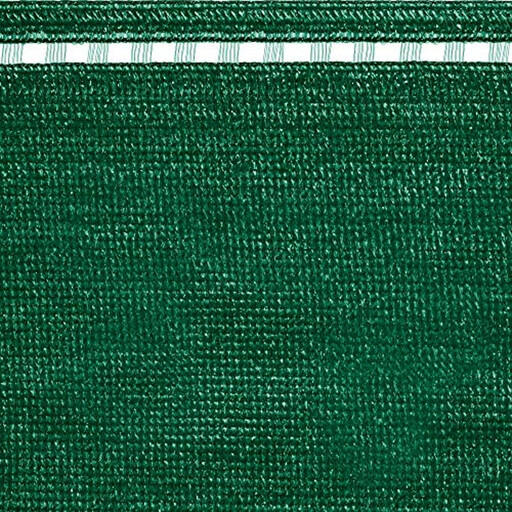
Why it's a match: Perfect for completely screening off a garden fence. The 2-meter height and dense material ensure maximum privacy and a clear boundary.
With a weight of 230 g/m?, this fabric is completely opaque, avoiding the pitfall of false privacy. The UV-resistant HDPE material is made for long-term outdoor use.
Fully opaque and tear-resistant. According to the manufacturer, it retains its colour for years. Easy to install as a permanent partition.
We have compiled a complete, up-to-date list of products that meet these selection criteria and current regulations.
For fixed privacy fabrics, it's crucial to use enough attachment points. Use strong zip ties or special clips in every grommet, and ensure the fabric is pulled taut. For a retractable privacy screen, the manufacturer's advice is paramount: always retract the screen in strong winds or storms to prevent damage to the fabric and mechanism.
This depends on the material. Products made from Textilene or certain woven HDPE fabrics can often be cut to size with scissors without fraying. This is usually stated explicitly in the product description. For other materials, it's better to fold the excess material over and secure it.
The best indicator is the weight in g/m?. A fabric of 200 g/m? or more typically offers complete privacy. Darker colours also tend to appear more opaque. Also, pay attention to the product name; some screens, often designated as "low shielding," are intentionally designed for a more decorative, translucent effect.
