
Vandaag of morgen in huis

Kwaliteit gegarandeerd

Welkomstaanbiedingen ontgrendelen: GRATIS bezorging | Tot 80% korting | Gratis 30 dagen JoyPlus-proefperiode
Download de app
Working on the train, preparing a presentation in a café, or simply relaxing in your garden. In many situations, privacy is desirable but not always a given. A good privacy screen offers a solution, whether it's to shield your laptop from prying eyes or your balcony from the view of neighbours.
However, the market offers an overwhelming number of choices, and not every option is equally practical. Many people make a choice based on marketing claims, only to find out later that their purchase falls short. Let's look at the most common pitfalls so you can make an informed decision.
Common pitfalls when buying a privacy screen:
To avoid the problems mentioned above, it's important to focus on a few objective specifications. These determine whether a product performs its function well and is durable.
A digital privacy screen, also known as a privacy filter, works by directing light at a specific angle. Most screens specify a viewing angle of +/- 30 degrees. This means the screen's content is only clearly visible from straight on. Someone sitting next to you will only see a black or dark screen. Pay attention to the balance: a viewing angle that is too narrow can be impractical, while one that is too wide offers insufficient privacy. A good anti-peep screen blocks effectively without compromising your own visibility too much.
The way you attach the screen is crucial for ease of use. There are roughly three options:
The material determines durability and functionality. For a screen protector privacy on a phone, 9H tempered glass is a popular choice because it offers scratch resistance in addition to privacy. For laptops, the filters are often made of a flexible yet sturdy polymer.
For outdoor use, such as a balcony privacy screen or a retractable wind screen, the material is even more critical. Look for polyester with a PU (polyurethane) coating. This material is water-repellent, UV-resistant, and tear-proof, making it more resilient to the local weather conditions.
Based on these criteria, we have selected a number of products that suit different user profiles.
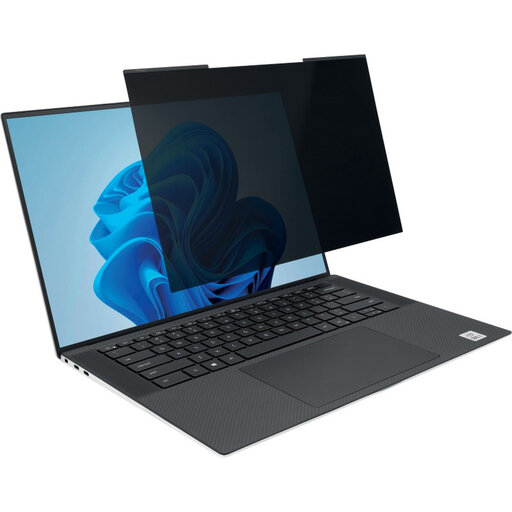
Why This Fits Their Persona: Ideal for professionals who are often on the go or work in flexible workspaces. The magnetic attachment allows the screen to be attached or removed in seconds, perfect for when you need to quickly switch between privacy and collaboration.
This screen completely solves the 'impractical attachment' pitfall. No hassle with adhesives or clips; the magnets ensure a snug and secure fit.
Limits the viewing angle to +/- 30°. Reversible with a matte side to reduce glare and a glossy side for a clearer image. Reduces blue light by up to 30% according to the manufacturer.
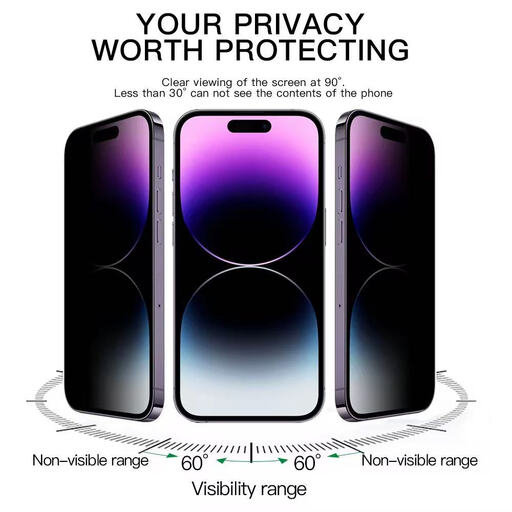
Why This Fits Their Persona: For anyone who uses their phone on public transport, in a waiting room, or in any other crowded environment. This iPhone privacy screen protector ensures that messages, passwords, and other sensitive information remain private.
Avoids the pitfall of poor quality. It is made of 9H tempered glass, which not only provides privacy but also offers robust protection against scratches and impacts.
Offers 360-degree privacy, meaning the screen is shielded from every angle (left, right, top, bottom). The oleophobic coating helps reduce fingerprints and smudges.
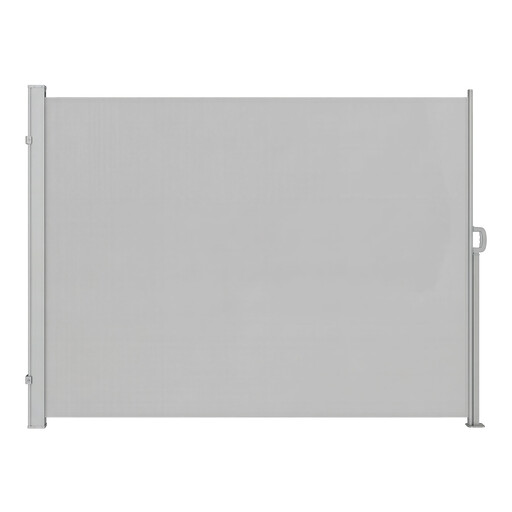
Why This Fits Their Persona: Perfect for those looking for a flexible and stylish way to screen off a patio, garden, or balcony. It instantly creates a private space and offers protection from the sun and wind.
This screen is made of 220 g/m? polyester with a PU coating, making it water-repellent and weather-resistant. This avoids the pitfall of materials that quickly degrade.
Large size (200 x 400 cm) and easily retractable thanks to a spring mechanism. The steel frame and rust-resistant hardware ensure a stable and durable construction.
We have compiled a complete, up-to-date list of products that fully meet these strict selection criteria and local regulations.
A privacy screen reduces the amount of light that passes through, so your screen will appear slightly darker, even when you are directly in front of it. With most screens, this effect is minimal, and you can compensate by slightly increasing your device's brightness. Many filters, like those from Kensington, feature a reversible design with a glossy side for a clearer image and a matte side to reduce glare.
The most reliable method is to check your laptop's specifications. Note the screen size in inches (e.g., 14-inch) and the aspect ratio (e.g., 16:9 or 16:10). This information is usually available on your laptop manufacturer's website. Then, compare this with the privacy screen's specifications. If in doubt, measure the visible width and height of your screen and compare these with the product dimensions.
Retractable screens are designed to provide privacy and protection in light to moderate winds. Most manufacturers recommend retracting the screen during strong winds or storms. This prevents damage to the fabric and the mechanism. Always check the manufacturer's instructions for specific advice on use in different weather conditions.
