
Vandaag of morgen in huis

Kwaliteit gegarandeerd

Welkomstaanbiedingen ontgrendelen: GRATIS bezorging | Tot 80% korting | Gratis 30 dagen JoyPlus-proefperiode
Download de app
A privacy screen is a practical solution for anyone seeking more peace and shelter in their garden, on their balcony, or on their terrace. But the market is flooded with options that look good at first glance, only to disappoint after a single season. Before you make a choice, it's helpful to know the common pitfalls. Many screens don't offer the privacy they promise or can't withstand the local weather.
As a Joybuy Product Recommendation Officer, I see where things go wrong every day. These are the most common problems:
garden screen on a roll without reinforced edges or with too few mounting eyelets is a recipe for disaster. The first strong gust of wind will cause the screen to billow out, tear at the edges, or come loose, resulting in damage.A good privacy screen doesn't have to be complicated, as long as you know what to look for.
To avoid the pitfalls mentioned above, a few specifications make the difference between a temporary fix and a durable garden screening solution.
The material determines the lifespan, appearance, and functionality of your garden screen.
privacy screen made of 100% HDPE is often treated for UV resistance, helping it retain its colour and structure for a long time. It's a functional choice for those seeking a high degree of privacy and wind protection.balcony screen where style also matters, but check the specifications for the level of opacity.One of the most objective indicators of quality is the weight, expressed in grams per square meter (g/m?). A higher number typically means a more densely woven and stronger shade cloth.
windbreak.A privacy screen for a fence catches a lot of wind. Without the proper finishing, it's doomed to fail. Pay attention to:
Not everyone needs the same thing. Below are a few options tailored to specific needs and situations.
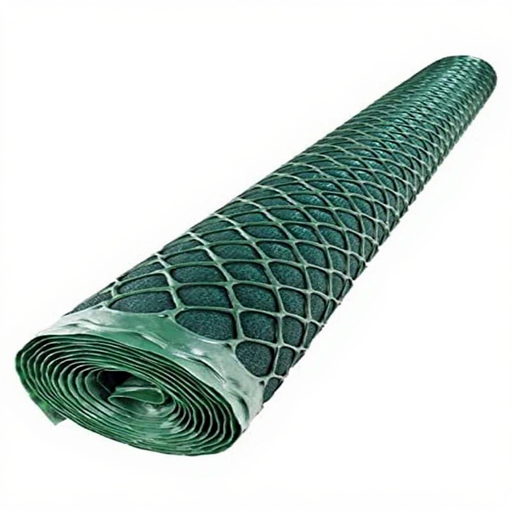
Why This Fits Their Persona: Ideal for those seeking a functional and affordable solution for a standard balcony or a small section of the garden. No frills, just effective screening.
This screen is UV-resistant and has a reinforced hem. This tackles the common pitfalls of rapid discolouration and tearing, which are frequent issues with budget options.
Provides total coverage according to the manufacturer and is very durable. The reinforced hem ensures extra strength during installation.
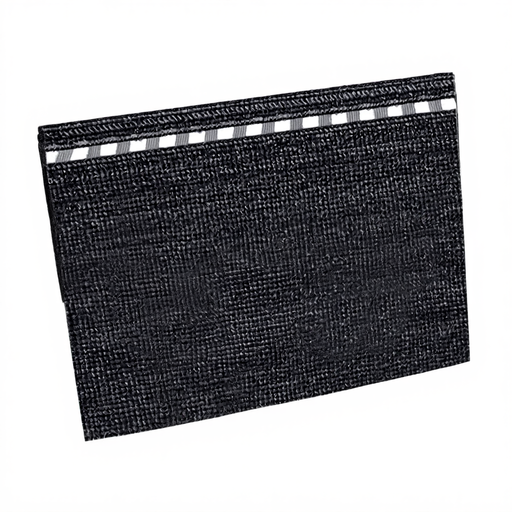
Why This Fits Their Persona: For those investing in a long-term solution for a garden or large terrace. Durability, complete privacy, and weather resistance are the top priorities here.
The manufacturer describes this as an extremely compact and densely woven screen with high tear resistance. This directly addresses the pitfalls of transparency and low durability. The eyelets in the edges ensure a secure installation.
Made from a flat monofilament mesh that guarantees total coverage and long-lasting colour. Its high density makes it an excellent windbreak.
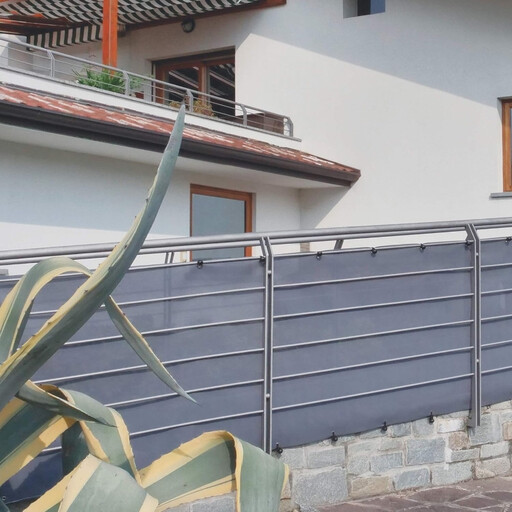
Why This Fits Their Persona: For those looking for a balcony or garden screen that is not only functional but also complements a modern, sleek aesthetic. Here, style is just as important as privacy.
The Textilene material (PVC and polyester) is tear-resistant and does not fray. The aluminium eyelets ensure a solid installation, avoiding the pitfall of a messy and insecure setup.
According to the manufacturer, it offers excellent privacy with a weight of 580 g/m?, indicating a very dense and robust structure. It can be cut to size with regular scissors without fraying.
We have compiled a complete and up-to-date overview of products that meet these selection criteria and current regulations.
Wind resistance depends heavily on the quality of the screen and its installation. A screen with a high weight (g/m?), reinforced edges, and a sufficient number of eyelets securely fastened to a solid fence or balustrade can withstand significant wind forces. Make sure to secure the screen at many points, for example, every 30-50 cm, to distribute the force evenly.
Most privacy screens made of HDPE or PVC-coated materials are easy to maintain. Rinsing with a garden hose is often enough to remove dust and dirt. For more stubborn grime, you can use a soft brush and mild soapy water. Avoid harsh cleaning agents, as they can damage the UV coating.
This depends on the material. Screens made of woven HDPE can fray if you cut them, unless you can hem or melt the edges yourself. Textilene screens, like the TENAX Texstyle, are often designed to be cut to size with scissors without fraying, according to the manufacturer. Always check the product information before you start cutting.
