
Vandaag of morgen in huis

Kwaliteit gegarandeerd

Welkomstaanbiedingen ontgrendelen: GRATIS bezorging | Tot 80% korting | Gratis 30 dagen JoyPlus-proefperiode
Download de app
As soon as the sun comes out, you want to enjoy your garden, patio, or balcony in peace. But nosy neighbours, a chilly breeze, or the harsh sun can seriously spoil the fun. A privacy screen seems like the perfect solution, but the market is flooded with products that promise more than they deliver. Before you invest in more privacy, it's wise to know the common pitfalls.
Many screens collapse during the first autumn storm or turn into a brittle, discoloured fabric after just one summer. These are the three most common problems to watch out for:
windscreen must be able to withstand wind. However, many models have weak mounting eyelets that tear out in a strong gust, or a retraction mechanism that jams after only a few uses.garden privacy screen turn out to be quite transparent in daylight. They offer more shade than actual privacy, leaving you with the feeling of being watched.To avoid wasting your money, it's smart to look at a few technical specifications. These details tell you more about the quality than the marketing copy on the packaging.
The material determines the durability and appearance of your screen. The most common options are:
privacy fabric or shade cloth. Look for the terms UV-treated or UV-stabilised. This ensures the material won't become brittle or discolour from sun exposure. The density, expressed in grams per square metre (g/m?), indicates its sturdiness. A higher number usually means a denser and stronger fabric.balcony screen or a decorative garden partition.retractable privacy screen. The polyester provides strength, while the PU coating makes the fabric water-repellent and opaque. A weight of around 220 g/m? or higher indicates robust quality.A good screen is only as strong as its weakest link. Therefore, pay attention to the workmanship. A garden privacy screen should have reinforced edges and a sufficient number of mounting eyelets. Aluminium eyelets are preferable to steel because they don't rust. For a retractable model, the quality of the steel cassette and the spring mechanism is crucial for smooth and long-lasting operation.
Not every screen is designed for complete privacy. A shade cloth is designed to filter sunlight and is often somewhat transparent. If you want complete visual privacy, look for terms like "fully opaque," "opaque," or "high opacity." Some products mention a UPF (Ultraviolet Protection Factor) rating, such as UPF 50+, which indicates that the fabric also provides effective protection against UV radiation.
Not all privacy screens are created equal. The right choice depends on your situation and needs. Below are a few options that suit different user profiles.
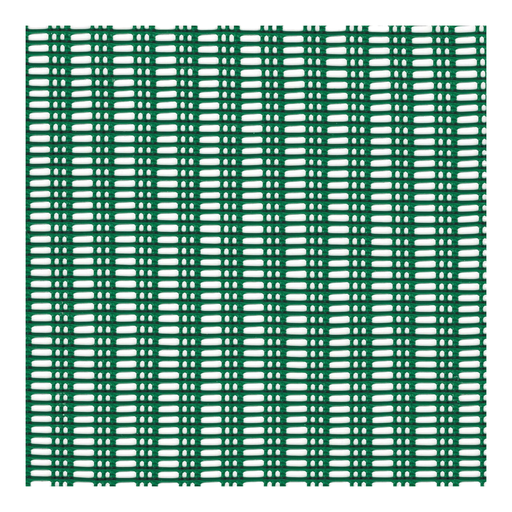
Why This Fits Their Persona: They are looking for a simple, effective, and affordable solution for a standard balcony railing. No fuss, just a functional balcony screen that is quick to install.
Made from 100% virgin polyethylene and UV-treated, so it won't quickly become brittle or discolour (avoiding the "one-season trap"). The special net structure is designed to reduce wind force, not to catch it fully.
Easy to cut to size with scissors and simple to install. Offers a good balance between privacy and wind reduction.
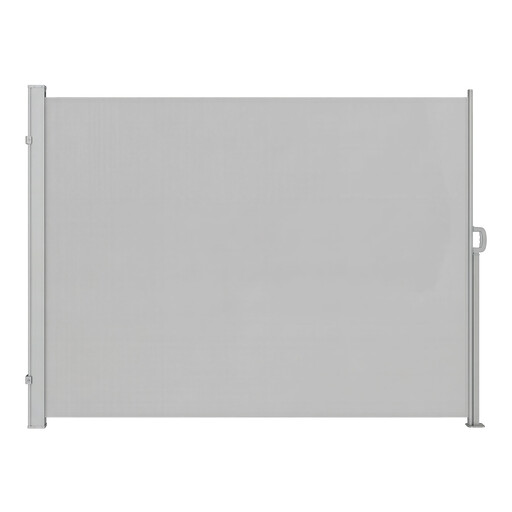
Why This Fits Their Persona: Wants a flexible and modern solution for a larger patio. Privacy is important, but aesthetics matter too. The screen must be retractable for when it's not needed.
The sturdy steel frame and heavy-duty polyester fabric (220 g/m?) are designed for stability and durability (avoiding the "weak construction" pitfall). The fabric is opaque and water-repellent, ensuring genuine privacy.
Flexible to use thanks to the smooth retractable mechanism. Instantly creates a sheltered corner, protected from both prying eyes and wind.
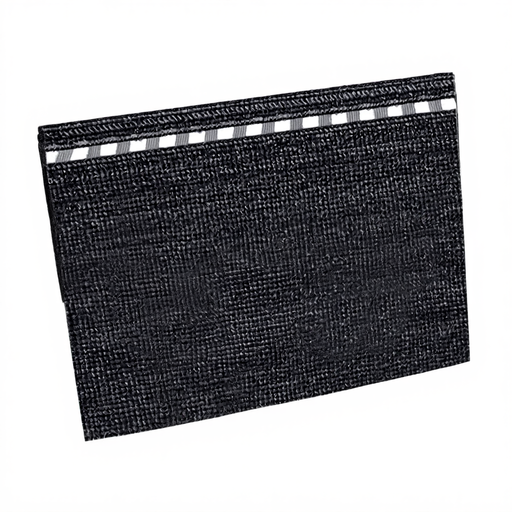
Why This Fits Their Persona: Has a long fence or railing and is looking for a permanent, robust garden partition that offers maximum privacy and will last for years. Functionality and durability are the priority.
The very dense weave and high weight provide high tear resistance, far superior to standard shade nets. This screen is built to withstand wind. It guarantees complete coverage, preventing "pseudo-privacy".
Offers complete opacity and is extremely tear-resistant. The eyelets on the edges make installation on a fence straightforward.
We have compiled a complete, up-to-date list of products that meet these selection criteria and comply with current regulations.
For a privacy fabric, it is crucial to use all mounting eyelets with sturdy tie-wraps or tensioners. Ensure the fabric is pulled taut so the wind has less grip on it. A retractable windscreen should always be rolled up during storms or when winds reach force 5 or higher, as per the manufacturer's instructions, to prevent damage to the fabric and mechanism.
This depends heavily on the material. A screen made of high-quality, UV-treated HDPE or Textilene can last for several years. Cheaper versions made of untreated plastic often become brittle and lose their colour after just one season. Check the product specifications for warranties or mentions of UV resistance.
Yes, many fabrics made from materials like HDPE and Textilene can be cut to size with a sturdy pair of scissors. The product description often states whether the material is "fray-resistant." Keep in mind that if you cut through a reinforced edge, you will lose the extra reinforcement at that spot.
