
Vandaag of morgen in huis

Kwaliteit gegarandeerd

Welkomstaanbiedingen ontgrendelen: GRATIS bezorging | Tot 80% korting | Gratis 30 dagen JoyPlus-proefperiode
Download de app
A garden or balcony is a wonderful retreat, but prying eyes from neighbours can quickly spoil the enjoyment. A privacy screen offers an immediate solution. However, the market is flooded with options that look good at first glance but show defects after just a few months. Many people fall into the same traps: choosing a screen that quickly discolours, tears at the first sign of a storm, or barely offers any privacy. Before you make a choice, it's wise to know what to look for.
A privacy screen that fails to meet expectations is a waste of money. These are the most common problems and how to recognise them.
privacy fabric that is already discoloured or brittle after a single summer. Cheaper screens are often not treated against UV radiation. The material then becomes weak, the colour fades, and eventually, tears appear.retractable privacy screen with a flimsy frame or a stiff retraction mechanism will only lead to frustration.fence screen may look opaque on the packaging but, in practice, still lets a lot of light and visibility through. Conversely, a completely dense screen can catch too much wind and act like a sail, putting enormous pressure on your fence or balcony railing.To avoid a bad purchase, you can focus on a few concrete specifications. These determine the durability and functionality of your garden screen or balcony screen.
The material is decisive for the lifespan and appearance.
fence screen or garden partition. Always choose a version with UV treatment. This ensures the material retains its colour and strength, even after years of sun exposure.retractable privacy screen. It is lightweight, water-repellent, and offers complete privacy. However, it is designed to be retracted in high winds or storms to prevent damage.A proper installation is crucial for longevity, especially in a windy climate.
privacy fabric is often expressed in grams per square meter (g/m?). A higher number (e.g., 180 g/m? or more) usually indicates a denser weave, which provides more privacy and wind protection. A lighter fabric (e.g., 95 g/m?) is more suitable as a windscreen or for shade, and lets more light through.Not every privacy screen is suitable for every situation. Below are some options tailored to different needs and locations.
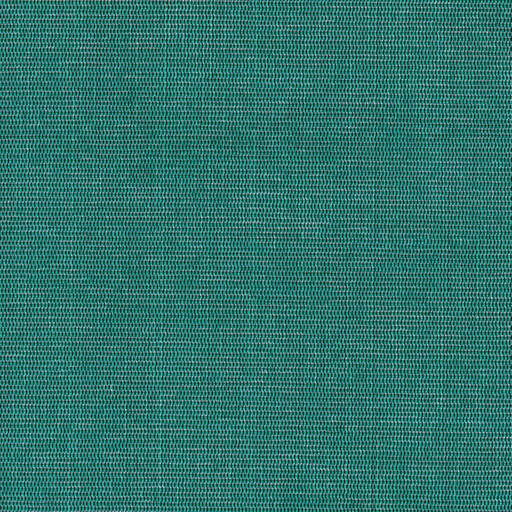
Why This Fits Their Persona: Ideal for those seeking an effective yet decorative balcony screen. The 1-meter height is perfect for most railings, and the woven fabric look provides a polished appearance without being overpowering.
This screen is made of tear-resistant and durable polyethylene (HDPE). Unlike cheap alternatives, it retains its colour and structure, so it won't look weathered after just one season.
The density of 180 g/m? offers a good balance between privacy and wind permeability. It is easy to clean with water.
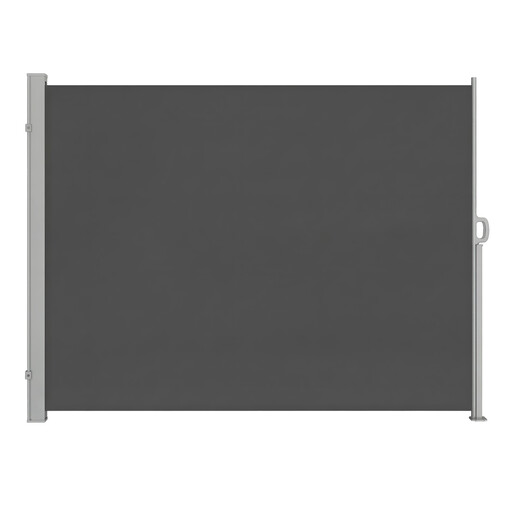
Why This Fits Their Persona: For those who want privacy and shelter on demand. This retractable privacy screen instantly creates a secluded corner on the patio and retracts just as quickly when the sun disappears or the wind picks up.
It features a sturdy steel frame and a smooth spring mechanism, avoiding the pitfall of a weak and clumsy construction. The fabric is a thick polyester (220 g/m?) with a PU coating, making it water-repellent.
Completely opaque for maximum privacy and offers UPF 50+ sun protection according to the manufacturer. The child lock on the handle provides extra safety.
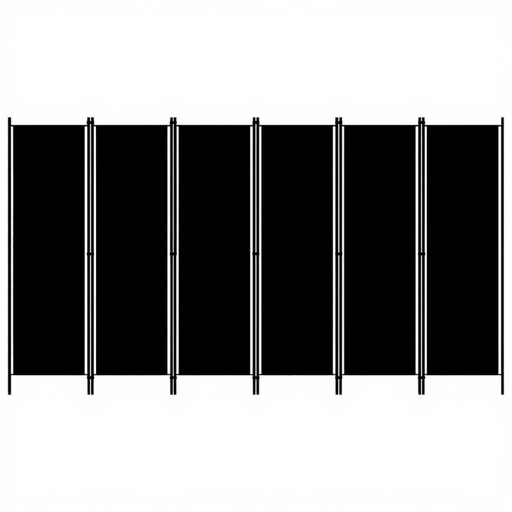
Why This Fits Their Persona: Perfect for creating a separate workspace in the living room or screening off a sleeping area. This freestanding room divider is a flexible solution for partitioning a space without any drilling.
This screen is specifically designed for indoor use. You don't pay for weatherproof features you don't need. The powder-coated iron frame is stable enough for a flat indoor surface.
The screen is foldable, making it easy to store. With a width of 300 cm, it can partition a significant portion of a room.
A privacy screen is a personal choice. If the options above don't quite match your needs, you can browse our full range. There you will find screens in various materials, sizes, and styles.
This depends heavily on the type and installation. An HDPE fence screen attached to a sturdy fence with enough zip ties or cables can withstand a lot of wind. A retractable privacy screen should be retracted during high winds or storms, according to most manufacturers, to prevent damage to the fabric and mechanism. Always check the manufacturer's recommendations.
With some materials, you can. Screens made of Textilene, like the TENAX Texstyle, are often woven in such a way that they do not fray when cut. With a woven HDPE fabric, the risk of fraying is greater. If the edges are not hemmed, you may need to melt or finish the cut edge to prevent it from unravelling further.
HDPE is a robust, rigid plastic that is highly resistant to UV radiation and moisture. It is ideal for permanent, fixed screens that remain outdoors year-round. Polyester is a type of textile, often used for retractable screens. It is lighter and more flexible but less suited for permanent exposure to the elements. A PU coating makes it water-repellent, but for a long lifespan, it should be protected from extreme weather conditions.
