
Vandaag of morgen in huis

Kwaliteit gegarandeerd

Welkomstaanbiedingen ontgrendelen: GRATIS bezorging | Tot 80% korting | Gratis 30 dagen JoyPlus-proefperiode
Download de app
A private spot in your garden or on your balcony is priceless. But prying eyes, harsh sun, or a biting wind can quickly spoil the enjoyment. A privacy screen seems like the simple solution, but the market is flooded with products that are discoloured, torn, or sagging after just one season. Before you invest in more peace and privacy, it's wise to know what to look for.
As a Joybuy Product Recommendation Officer, I see which products are returned daily and why. Many disappointments can be prevented by avoiding three common pitfalls:
You don't need to become a materials scientist to avoid these problems. Just pay attention to a few key specifications that make the difference between a bad purchase and years of enjoyment.
The durability of a balcony screen or fence screen directly depends on the material and its weight per square meter (g/m?).
A good screen is useless without proper fastening.
Based on product specifications, we have selected a few options that suit different user profiles and avoid the pitfalls mentioned earlier.
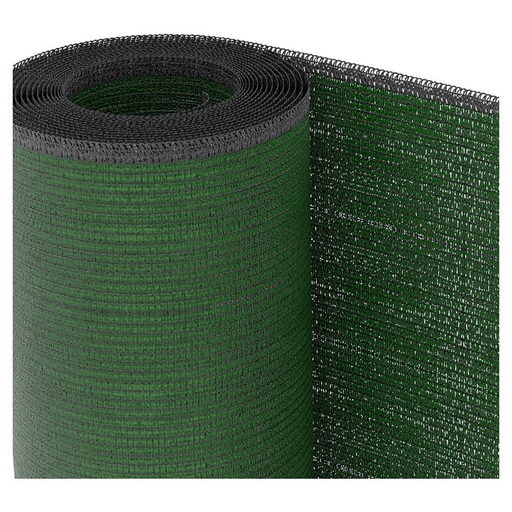
Why This Fits Their Persona: Ideal for those who want to provide basic privacy for a large area (like a full fence or garden) without a major investment. The 50-meter roll offers a lot of flexibility.
This woven net is made of polyethylene (PE) and has received a UV treatment, according to the manufacturer. This addresses the pitfall of rapid discolouration and brittleness. Furthermore, the woven structure is tear-resistant.
A large quantity for a competitive price. Can be used both vertically as a privacy screen and horizontally as a shade cloth.
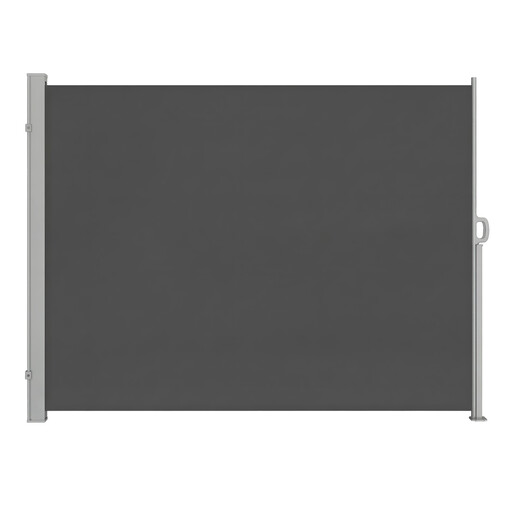
Why This Fits Their Persona: Perfect for those who want privacy and wind protection on demand. Easy to extend on a sunny day and retract during an approaching storm or when you want an unobstructed view.
This screen tackles the weak construction pitfall with a steel frame and rust-resistant hardware. The 220 g/m? polyester fabric with a PU coating is opaque and water-repellent, avoiding the transparency trap.
Flexibility in use and a solid, weather-resistant construction. The manufacturer states that the fabric offers UPF 50+ sun protection.
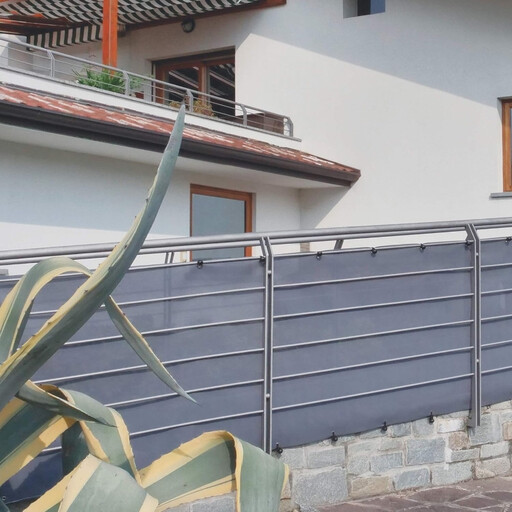
Why This Fits Their Persona: For those who value aesthetics as much as functionality. The steel-grey textilene fabric provides a modern and polished look for a balcony, terrace, or fence.
With a weight of 580 g/m?, this is a heavyweight option that bypasses the pitfalls of transparency and weakness. The textilene material is tear, wind, and sun-resistant. The aluminium eyelets provide a much sturdier fastening than simple punched holes.
Very high density and durability combined with a modern look. According to the manufacturer, it doesn't fray and is easy to cut to size.
A privacy screen is a personal choice. The dimensions, colour, and material must perfectly match your situation. Explore our full range for more options.
This depends heavily on the type and installation. A retractable side awning should be retracted in high winds or storms, according to most manufacturers, to prevent damage to the mechanism and the fabric. A fixed fence screen that is installed tautly and with sufficient fastening points (e.g., with zip ties every 30-50 cm) can withstand significantly more wind. The quality of the eyelets and the strength of the fabric are decisive here.
For screens with eyelets, zip ties (cable ties) or special fastening cords are the most common methods. Make sure to pull the screen taut and secure it at regular intervals, both at the top and bottom and, if possible, on the sides as well. This distributes the force of the wind and prevents the screen from flapping or tearing.
HDPE is a stiffer, plastic-like material often used for woven screens on a roll. It is very weather-resistant and durable if it has had a good UV treatment. Polyester, often with a coating, feels more like a heavy fabric. It is widely used for retractable screens because it rolls up smoothly and offers a high degree of opacity. Both materials are suitable, but the choice depends on the application: a fixed privacy screen (HDPE) or a flexible wind screen (polyester).
