
Teachers who want to preserve original poems
You want to capture the handwriting clearly and be able to check the original. HP Support explains that standard OCR does not convert handwriting into editable text.


Start by thinking about how you want to scan poems: check whether the model has a flatbed scanner for loose or delicate originals, and consider an automatic document feeder (ADF) if you regularly process stacks of suitable sheets. Then compare your need for colour printing with the cost of consumables at your expected print volume. Standard OCR won’t automatically convert handwriting into editable text. If necessary, save a scan as an image or PDF and check that it’s legible.
You want to capture the handwriting clearly and be able to check the original. HP Support explains that standard OCR does not convert handwriting into editable text.
If you often process loose sheets, an automatic document feeder can reduce the need to feed them in by hand. Check that the paper and originals are suitable for the feeder on your chosen model.
You’ll need to weigh up scanning against the ongoing cost of printing texts or colour materials. The Consumers’ Association (Consumentenbond) highlights the choice between black-and-white and colour as something to consider when buying a printer.
Choose this if: you regularly scan several loose poems and also print colour materials.
Consider: an ADF isn’t automatically suitable for every original, and stated ink yields alone won’t tell you what it will cost to print for your class.
Choose this if: you mainly scan one poem at a time and also want to print in colour.
Consider: check the scan feeder on the exact model. Automatic duplex printing doesn’t necessarily mean it can scan both sides automatically.
Choose this if: your class mainly prints black-and-white text and regularly scans stacks of suitable sheets.
Consider: a black-and-white model can’t print colour materials in colour. Include consumables in your cost comparison, too.
| What to consider | What to look for when buying | Who should pay particular attention? |
|---|---|---|
| Legibility of the handwriting | Check that the scan includes the full edges and that the lines are legible. Choose a file format that suits your needs for keeping or sharing it; don’t assume OCR will convert handwriting. | I want to keep a faithful, legible copy of every original; around 36% of consumers prioritise preserving the handwriting. |
| Scanning multiple sheets | Check the ADF’s capacity, which originals it can handle and whether it scans one or both sides. | If I often scan stacks of suitable loose poems, I want to avoid feeding in each sheet separately; around 29% of consumers prioritise this way of working. |
| Ongoing printing costs | Compare models over the same period of use and for the same expected number of black-and-white and colour pages. Include replacement ink or toner and any separate parts. | If I print regularly, I want to factor in consumables rather than focus only on scanning; around 21% of consumers prioritise ongoing print costs. |
| Colour printing | Decide whether you want to print in colour. Scanning in colour and printing in colour are different needs. | If pupils need poems or teaching materials in colour, black-and-white printing won’t be enough; around 14% of consumers give colour printing top priority. |
A scan saves the poem as an image, but it won’t automatically make the handwritten text editable. HP Support warns that standard OCR does not convert handwriting.
Decide in advance whether you want to keep an image of the original or need editable text. Check a test file and, if necessary, transcribe the text separately.
Checking the result or typing it out by hand takes extra time.
An automatic duplex printing feature doesn’t mean the scanner will automatically scan both sides of a poem.
Check the scanning function itself and try a test scan if poems are written on both sides.
Poems written on both sides may need extra handling.
Running costs also depend on how much you print and which consumables the model uses.
Compare printers over the same period of use and for the same number of black-and-white and colour pages. Include replacement ink or toner and any separate parts.
Depending on the model, toner, a drum or a maintenance cartridge may also need replacing.
Poems containing information that identifies a pupil may include personal data. The Dutch Data Protection Authority says that schools must comply with the GDPR when handling pupils’ personal data.
Follow your school’s approved process for storing and sharing files, and limit access to those who need the information for its intended purpose.
The EcoTank ET-3950 is a colour model with print, scan and copy functions. Epson Netherlands lists a duplex ADF.
The Smart Tank 7305 has print, scan and copy functions and, according to HP, a 35-sheet feeder.
The PIXMA G3590 is a colour model with print, scan and copy functions, as well as automatic duplex printing.
The DCP-L2660DW is a black-and-white laser printer with scan and copy functions and, according to Brother, a 50-sheet ADF.
This Joybuy selection includes all-in-one printers for scanning poems and printing classroom work. Check whether each model’s scan feeder suits your originals and whether its printing functions meet your colour needs.
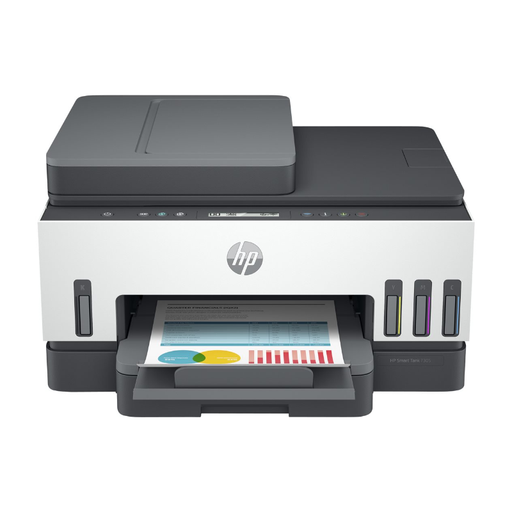 Image unavailable
An option to compare if you want to scan poems and also print or copy colour materials.
The product name lists a colour printer, scanner, copier and duplex printing.
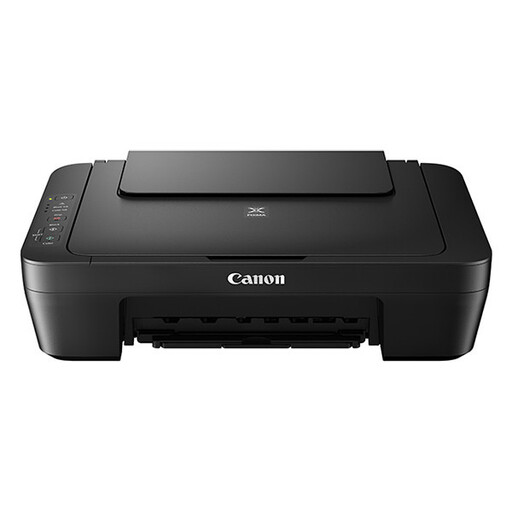 Image unavailable
A model to compare if you want to scan a paper poem and print colour materials.
The product name lists an A4 inkjet printer with a resolution of 4800 x 600 DPI.
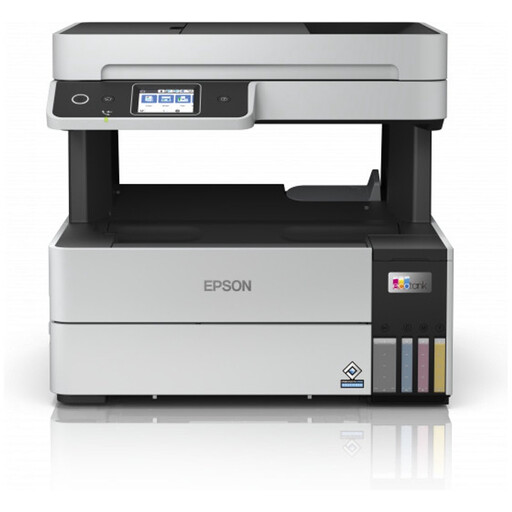 Image unavailable
An option to compare if you want to print colour materials and scan multiple sheets. Check that the scan feeder suits your originals.
The product name lists A4, 4800 x 1200 DPI, 37 ppm and Wi-Fi.
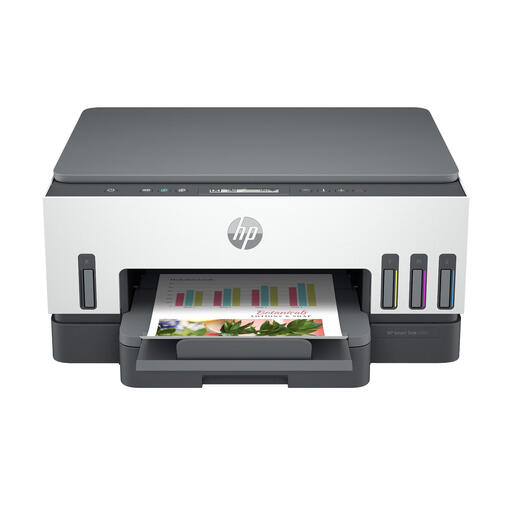 Image unavailable
An option to compare if you want to scan poems and also print or copy colour materials.
The product name lists a wireless colour printer, scanner, copier and duplex printing.
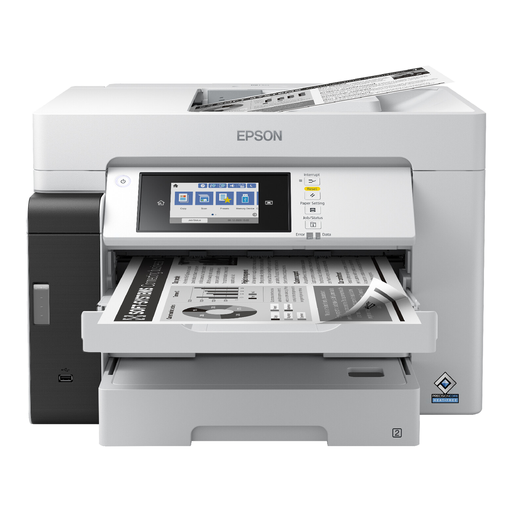 Image unavailable
An option to compare if you want to scan stacks of suitable sheets and don’t need colour printing.
The product name lists A3, 4800 x 1200 DPI and Wi-Fi. The product information lists black-and-white printing; colour printing isn’t available.
No. Don’t assume that standard OCR will convert handwriting. HP Support says standard OCR doesn’t convert handwriting, so if necessary, save the poem as an image or PDF and check the scan. To get editable text, you’ll need to transcribe it separately and check the result.
Use an ADF for loose sheets that the manual for your exact model says it can handle. Check a test scan for cropped edges and legibility. Scan any original you don’t want to feed through separately. The capacity stated by manufacturers doesn’t automatically apply to every paper type.
Compare models over the same period of use, for the same expected number of pages and the same ratio of black-and-white to colour printing. Include the appropriate consumables; for example, Brother lists both toner and a separate drum for the DCP-L2660DW. Stated yields aren’t a measure of how your class will use the printer.
First, assess how the data will be handled and follow your school’s policies. The Dutch Data Protection Authority says that schools must comply with the GDPR when handling pupils’ personal data. The right way to store or share files depends on the data, the purpose and your school’s policies. A printer’s network or cloud feature doesn’t, by itself, give you permission.