Who is this advice for?

Making sturdy cards

You want to print directly onto individual cards or heavier paper. Size, paper type and feed options are key; a high maximum paper weight for a particular type of photo paper doesn’t automatically mean the printer can handle card.

Making large batches of cards

You regularly print lots of flashcards and want to weigh the purchase price against the cost of ink or toner.

Making text or colour cards

Your choice mainly depends on whether you need diagrams and colour coding, or whether black-and-white text will do.

What should you look for in a printer for flashcards?

Colour inkjet with cartridges

Best for: printing colour cards now and then, provided you check the paper specifications for your chosen model.

Bear in mind: if you don’t use it much, an inkjet may use ink for maintenance. Also check the paper and duplex printing requirements.

Colour inkjet with an ink tank

Best for: regular colour printing, if you want to weigh the printer and refill costs against your own usage.

Bear in mind: check that your chosen card size and weight are supported by the model. Duplex printing on plain paper tells you nothing about whether it can handle thick card.

Mono laser printer

Best for: text-only cards that you print occasionally.

Bear in mind: you won’t be able to add colour accents. Check the paper feed separately, along with the supported card sizes and weights.

What to consider What to check Who is it important for?
Card paper and feed options Compare the card size, paper type and weight in g/m² with the specifications for your chosen feed. Alternatively, consider printing an A4 layout and cutting it out afterwards. If you want to print directly onto sturdy individual cards, you’ll need to know whether your chosen feed can handle the paper. Around 33% of consumers say card compatibility is their main consideration.
Cost of regular printing Compare the printer, compatible refills and paper with the print volume you expect to need. If you regularly print batches, ongoing costs matter as well as the price of the printer. Around 27% of consumers prioritise the cost of regular printing.
Colour for visual flashcards Decide whether you need colour coding or images, then check that the exact model supports colour printing and your chosen paper. If colour is part of your card design, you’ll want to be sure the design can be printed. Around 20% of consumers put colour printing first.
Occasional text printing Decide whether black and white is enough, and check paper compatibility before choosing a laser printer. If you print rarely and your cards are mostly text, you may not need colour. Around 20% of consumers prioritise occasional black-and-white text printing.

Common pitfalls when choosing a printer

  • Assuming the maximum paper weight applies to all types of card

    A paper weight limit may only apply to a specific type of paper. For example, Canon’s figure of around 265 g/m² for the PIXMA TS7650i applies specifically to Canon Photo Paper Plus Glossy II. Canon gives a separate range for plain paper.

    For your exact card paper, check the paper type, size and weight, as well as the feed you plan to use.

    Unsuitable paper may result in failed prints.

  • Assuming automatic double-sided printing works with individual cards

    Duplex printing may only be supported with certain sizes and plain paper. So a duplex specification alone doesn’t confirm that thick card is suitable.

    Check the duplex requirements for your chosen model and paper. Alternatively, arrange your cards on a suitable A4 layout and cut them out after printing.

    An A4 layout may mean extra cutting.

  • Comparing the purchase price alone

    If you print batches regularly, you’ll also need to factor in compatible refills. An inkjet may also use ink for maintenance if you don’t use it much.

    Compare costs based on how you expect to use the printer, and don’t treat a general break-even point as a personal prediction. The Consumentenbond discusses the trade-offs between printing little and printing a lot.

Brands to consider

Canon

Canon colour inkjet printers are worth considering if you want to explore different paper sizes and a rear feed. The PIXMA TS7650i is one example.

  • For the PIXMA TS7650i, Canon lists a card size of 91 × 55 mm and a customisable size using the rear tray.
  • The figure of around 265 g/m² applies to Canon Photo Paper Plus Glossy II. Automatic double-sided printing is specified for A4 and Letter-sized plain paper.

Epson

Epson EcoTank models, including the ET-2950, offer an ink tank option to consider if you print in colour regularly.

  • Epson lists colour printing and double-sided printing for the ET-2950.
  • Check the supported size and weight for your chosen card paper, as well as the duplex printing requirements.

Brother

The Brother HL-L2400DWE is an example of a mono laser printer for text-focused cards.

  • Brother specifies mono printing, A4 and double-sided printing for this model. It also has Wi-Fi.
  • The A4 specification doesn’t confirm that the printer can handle an individual card of your choice.

HP

HP Smart Tank colour inkjet printers are worth considering if you print in colour regularly. The Smart Tank 7005 is an all-in-one example.

  • HP specifies automatic double-sided printing for the Smart Tank 7005.
  • This duplex feature doesn’t confirm that you can print on both sides of thick card. Also follow the safety information for the liquid ink supplied.

Joybuy products for home printing

The Joybuy selection below ranges from compact thermal printers for notes to colour inkjet models. For each model, check that it supports your chosen card paper and intended printing method.

Mini Bluetooth thermal printer with ten rolls of thermal paper

Mini Bluetooth thermal printer with 10 rolls of paper

For anyone who wants to print notes or images from a phone. It’s a thermal printer, so check whether the thermal paper it uses is suitable for your cards.

The product title lists Bluetooth and 10 rolls of thermal paper. The product description says the thermal paper can turn black through friction.

View at Joybuy

Brother MFC-J6760DW A3 colour inkjet printer

Brother MFC-J6760DW

A colour inkjet option for colour cards or larger card layouts. Check which card paper is suitable for the feed you want to use.

The product information lists A3, colour printing, automatic double-sided printing and paper up to 220 g/m². Scanning and copying are also mentioned.

View at Joybuy
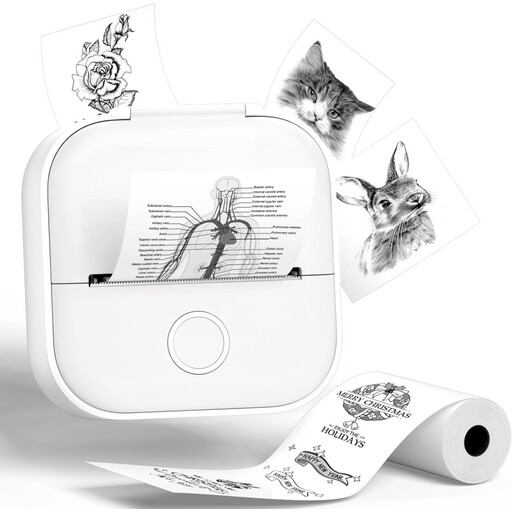
Phomemo T02-WH mini printer for study notes and stickers

Phomemo T02-WH

The product title lists study notes and stickers as possible uses. Check that the printing material is suitable for the flashcards you have in mind.

The product information describes it as a portable mini printer, with Bluetooth and an app also mentioned.

View at Joybuy
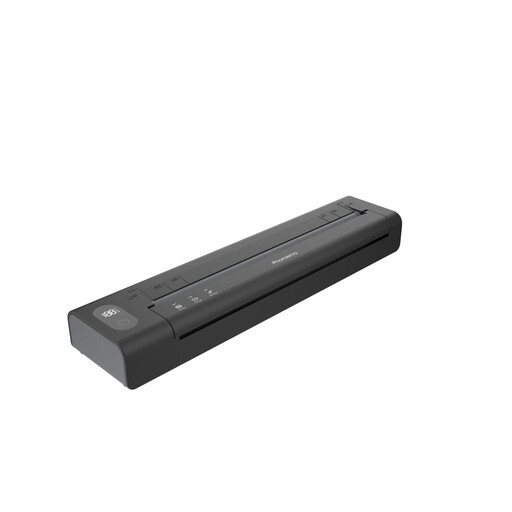
Phomemo A282U portable wireless printer

Phomemo A282U

A portable printer for documents at home or on the go. Check which paper and size are suitable for your cards.

The product information lists Bluetooth, a rechargeable battery and support for iOS and Android devices.

View at Joybuy

HP Smart Tank 7305 wireless colour printer with ink tank

HP Smart Tank 7305

A colour ink tank printer for anyone weighing up colour cards and regular printing. Check that it supports the paper you’ve chosen for your cards.

The product information lists wireless and automatic double-sided printing, as well as included ink bottles. Keep the ink bottles out of children’s reach; the product description warns that ink may be harmful if swallowed.

View at Joybuy

Frequently asked questions

Can I automatically print on both sides of individual flashcards?

The words ‘automatic double-sided printing’ alone aren’t enough to confirm that you can. Canon limits this feature on the PIXMA TS7650i to A4 and Letter-sized plain paper. Check the duplex specifications for your printer and card paper. You could also turn the cards over manually or create a suitable A4 layout first.

What should you do if your inkjet prints faintly or blank after a period of not being used?

Follow the maintenance steps for your exact printer model. For the EcoTank and Expression printers mentioned, Epson recommends running a nozzle check first and, if necessary, cleaning the print head.

Who should you contact about a faulty printer bought in the Netherlands?

Contact the retailer if your printer isn’t of satisfactory quality. According to the Dutch Government, you’re entitled to a product that is fit for purpose; the Netherlands doesn’t have a fixed statutory two-year guarantee period. What you can reasonably expect depends, among other things, on the product and the information provided.

Where can you take your old printer when you buy a new one?

According to the Dutch Government, when you buy a similar appliance, the retailer must take your old one free of charge, including when you buy online. The government also describes other collection points and options provided by local councils.
