
Cooking for a large group
You want to cook the stew in one go, so you compare the quantity in your recipe with the cooker’s usable capacity and fill limit.


Start by working out how much stew you need: a pressure cooker’s stated capacity is not automatically the amount you can cook in it. Then compare the features you need, such as sautéing, pressure cooking and pressure release, and always follow the filling and operating instructions for the exact model.
You want to cook the stew in one go, so you compare the quantity in your recipe with the cooker’s usable capacity and fill limit.
You want to be able to brown the meat and then cook it under pressure, while allowing time for any steps still needed before serving.
You prepare the stew in advance and want to be able to cool, store and reheat portions safely.
First, work out how much meat, vegetables and liquid you want to cook together, then compare this with the model’s usable capacity or fill markings. Next, consider which cooking steps and controls suit your plans.
| What to consider | What should you check? | Who is this important for? |
|---|---|---|
| Usable capacity | Compare the total quantity of ingredients and liquid with the usable capacity and fill limit of the exact model. | If you want to make one pot of stew for a group, there needs to be enough room for all the ingredients. Around 36% of consumers prioritise portion size. |
| Cooking steps | Check whether the model offers both sautéing and pressure cooking, and whether you can set the cooking time you need. | If you want to brown the meat first and then continue cooking it, you’ll want to know which steps the cooker can handle. Around 29% of consumers prioritise cooking steps and serving plans. |
| Pressure controls | Read the instructions on the fill limit, valve and pressure-release method. | If you have little experience of pressure cooking, you’ll want to be able to follow the controls and opening instructions with confidence. Around 21% of consumers prioritise clear pressure controls. |
| Cooking ahead and maintenance | Check how to clean the inner pot and whether parts such as a sealing ring are compatible with the exact model. | If you make the stew in advance, you’ll want to store portions properly and maintain the cooker with ease afterwards. Around 14% of consumers prioritise cooking ahead and maintenance. |
The stated capacity doesn’t tell you how much food you can cook under pressure. For example, Tefal lists a 6 L pot capacity and a usable capacity of 3.8 L for the All-in-One CY505E; the Instant Pot Duo manual also specifies fill limits for that model.
Add together the ingredients and liquid, then compare the volume with the manual for the model you’re considering.
If the recipe exceeds the permitted amount, you may need to cook it in batches.
The name ‘multicooker’ alone doesn’t tell you which features a particular model has. Unless a pressure-cooking function is confirmed, you can’t assume the appliance will cook your stew under pressure.
Check that the exact model supports pressure cooking as well as any other features you need.
A paid extended warranty may involve extra costs and is separate from your rights if a product doesn’t conform to the contract.
Read what an extended warranty covers. If there’s a fault, contact the retailer.
Only pay for an extended warranty if the additional cover offers you something useful.
The Duo range includes electric pressure cookers in a choice of pot sizes. According to Instant Pot, the 7.6 L model includes a Meat/Stew programme, a sauté function and a slow-cooking function, among other features.
According to Tefal, the All-in-One CY505E combines pressure cooking and slow cooking. The manufacturer lists a pot capacity of 6 L and a usable capacity of 3.8 L.
The Philips 3000 Series HD2616/70 is a multicooker with a stated capacity of 6 L and pressure-cooking and sautéing functions.
These models are for anyone looking for an electric pressure cooker or multicooker for stew and meals for several people. Before buying, check the CE marking and product information for the exact appliance; the Dutch government outlines the applicable CE requirements for products placed on the EU market.
 No image available
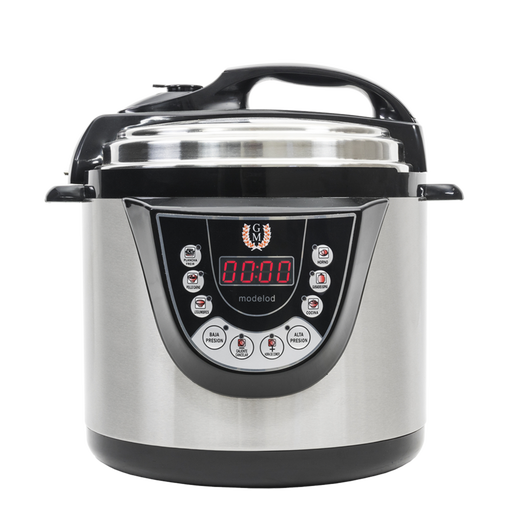
The stated usable capacity of 5 L can help you compare the quantity you need for a shared meal with the available cooking space.
The product information lists a 6 L stated capacity, 5 L usable capacity, two pressure settings and a capacity for up to 12 people. The product name also mentions sautéing and a voice function.
 No image available
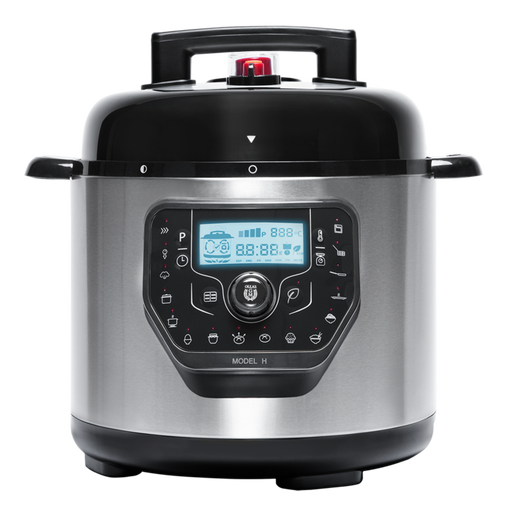
This model may suit you if you’re looking for a pressure-cooking function and want to adjust the time and temperature.
The product information lists a 6 L capacity, five pressure settings and adjustable time and temperature. The product name mentions an air-fryer lid and integrated scales.
 No image available
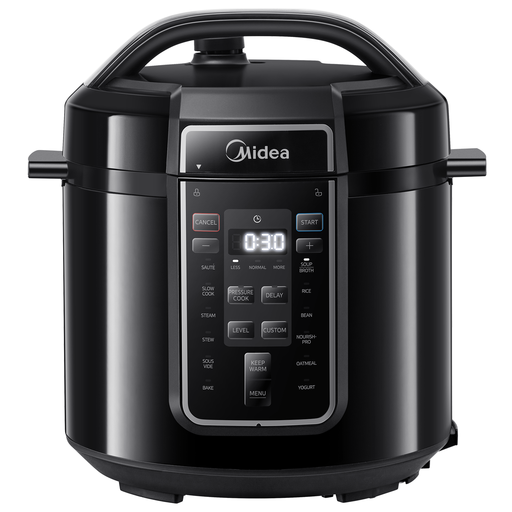
The product information suggests portions for 6–8 people, giving you a useful starting point for comparing your recipe with the cooker’s capacity.
Listed features include a 6 L capacity, 1000 W, 14 cooking functions, a stainless steel inner pot and a keep-warm function. Pressure cooking and stewing are listed as functions.
 No image available
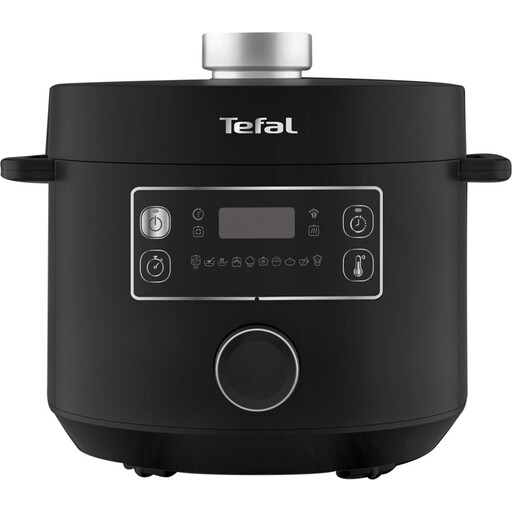
This model may suit you if you’re looking for pressure cooking and a keep-warm function for a stew.
The product information lists a 5 L capacity, a ceramic non-stick inner pot, a manual function and ten automatic programmes.
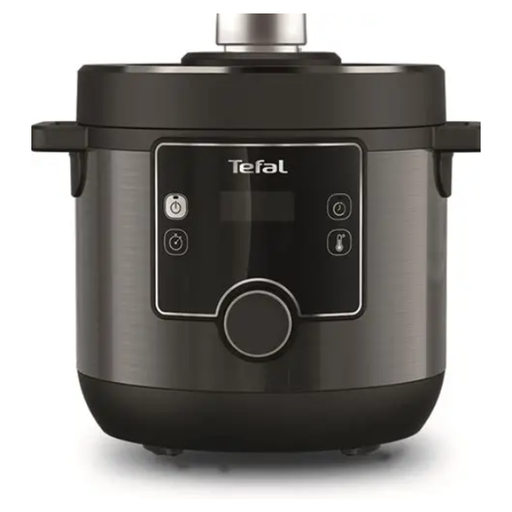 No image available
The stated capacity of 6 L gives you a measure to compare with the total volume of your recipe; remember to follow the model’s fill limit too.
The product information lists digital controls and pressure-cooking, slow-cooking and steaming functions. The product name mentions 15-in-1 functions.
No. Don’t treat the stated capacity as the permitted amount for pressure cooking. Tefal lists a 6 L pot capacity and a usable capacity of 3.8 L for the All-in-One CY505E. The Instant Pot Duo manual specifies a two-thirds fill limit for that model, or a maximum of half full for ingredients that expand; always follow the manual for your exact model.
Make sure the meat is fully cooked and store leftovers in line with the food safety advice from the Voedingscentrum. The Voedingscentrum recommends eating refrigerated leftovers within two days and says they can be kept in the freezer for three months.
If there’s a fault, contact the retailer. According to the Dutch government, there is no fixed statutory warranty period in the Netherlands; your legal rights if a product doesn’t conform to the contract are separate from a manufacturer’s warranty or a paid extended warranty.
Products covered by EU rules must carry a CE marking; the Dutch government gives electronic devices as an example. Check the marking and product information for the exact appliance you’re considering.