
Small-portion cook
Usually makes a few bowls of soup and wants a cooker with a capacity to match, rather than routinely preparing a large quantity.


For a few bowls of cabbage soup, a compact electric pressure cooker will usually be a better fit for the portion size; if you often cook ahead, a larger capacity may be more practical. Don’t just look at the number of litres: the maximum fill level and pressure-release instructions determine how much soup you can actually make and how to open the cooker safely.
Usually makes a few bowls of soup and wants a cooker with a capacity to match, rather than routinely preparing a large quantity.
Likes to make extra portions and takes the usable filling space and safe storage of leftovers into account.
Wants to cook soup under pressure and is looking for clear controls, straightforward pressure release and easy maintenance.
Choose a cooker to suit your usual portion sizes, then check the filling and usage instructions for the exact model.
| What to consider | What to look for | Who should consider this most? |
|---|---|---|
| Capacity for small portions | Compare the nominal capacity with the maximum fill level for the exact model. The Instant Pot Duo manual specifies a maximum of two-thirds of the cooker’s capacity, or half when using ingredients that expand. | I usually make just a few bowls and don’t want to use an unnecessarily large cooker. Around 36% of consumers prioritise a capacity suited to small portions. |
| Cooking ahead | Compare the space your recipe needs with the model’s instructions. The Voedingscentrum advises cooling vegetable soup quickly and not leaving leftovers out of the fridge for more than 2 hours. | If I make extra soup, I want to know whether my recipe will fit within the fill limit and how to store the leftovers. Around 29% of consumers give cooking ahead the highest priority. |
| Pressure controls | Check the instructions for soup, pressure release and safe opening. Instant Pot recommends natural pressure release for its soup/broth programme; Philips specifies automatic pressure release for the HD2616/70. | I want to be confident I can follow the instructions for soup and pressure release before opening the cooker. Around 21% of consumers prioritise suitable pressure controls. |
| Cleaning and maintenance | Check the inner pot material, cleaning instructions and information about parts and statutory guarantees. Tefal lists a non-stick coating and repairability for the CY7548; Instant Pot specifies a stainless steel inner pot. | If I cook regularly, I want to know how to clean the inner pot and what my options are if the cooker develops a fault. Around 14% of consumers start with maintenance and after-sales costs. |
The stated capacity of the cooker is not the same as the amount you can cook under pressure. The Instant Pot Duo manual specifies a lower fill limit for ingredients that expand during cooking.
Check the fill limit for the exact model and include all the ingredients before adding the recipe to the cooker.
If a recipe exceeds the permitted fill level, you may need to cook it in several batches.
Advice to release pressure quickly for delicate vegetables doesn’t automatically apply to a pot containing a lot of liquid. Instant Pot recommends natural pressure release for its soup/broth programme.
For soup, follow your model’s instructions for liquid-based dishes and never force the lid open.
According to ACM ConsuWijzer, your statutory rights exist alongside any guarantee offered by the retailer or manufacturer.
If a fault develops, contact the retailer first and explain what happened during normal use.
The Duo Mini is a compact option to compare. Instant Pot Netherlands lists a 3 L version with a soup/broth programme; check the capacity and specification of the option you choose.
The Turbo Cuisine CY754830 is a 5 L model to compare if you want to make extra portions. Tefal lists pressure cooking and other cooking settings.
The Philips 3000 Series HD2616/70 is a larger option. Philips specifies a 6 L capacity, a soup setting and automatic pressure release.
This selection includes compact and larger electric pressure cookers for making soup, from small portions to batch cooking.
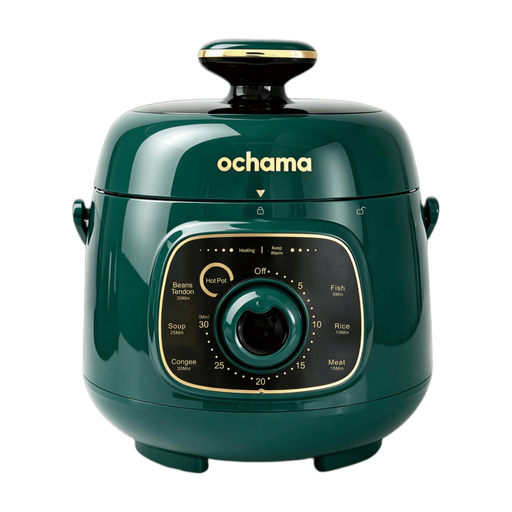 No image available
A compact model to compare if you usually make small portions of soup.
1.8 L; for 1–3 people; ceramic-coated inner pot; dial controls; 70 kPa.
Keep to the maximum fill line and don’t open the cooker until the pressure has fully released.
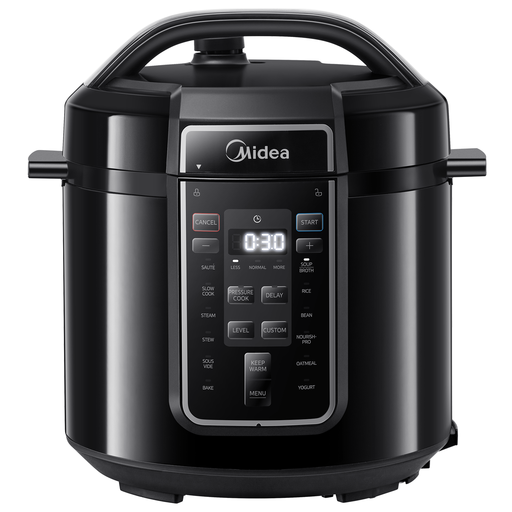 No image available
A larger cooker to compare if you want to make extra portions of soup.
6 L; 1000 W; 14 cooking functions; stainless steel inner pot.
Don’t fill above the MAX line or force the lid open while the cooker is under pressure.
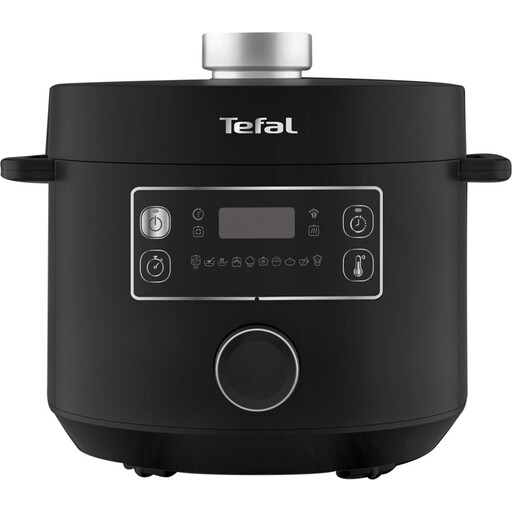 No image available
A larger model to compare if you want to make soup for later as well as today’s meal.
Stated capacity: 5 L.
Let the cooker cool and the pressure drop before releasing pressure, cleaning or moving the appliance. Don’t force the lid open.
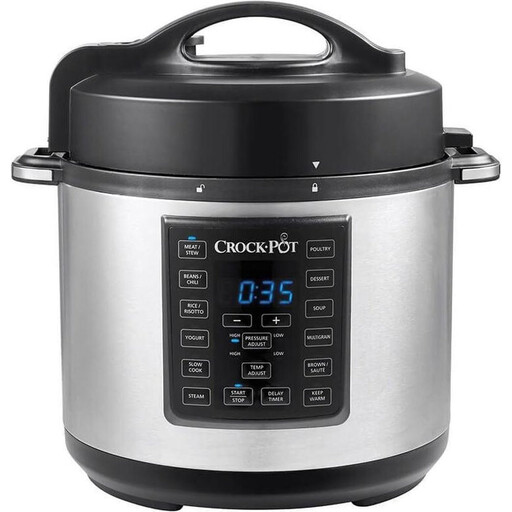 No image available
A larger option to compare if you want to make soup and stews for several portions.
5.6 L; 1000 W; pressure and slow-cooking functions; 12 programmes.
Don’t fill above the MAX line or force the lid open while the float valve is raised.
 No image available
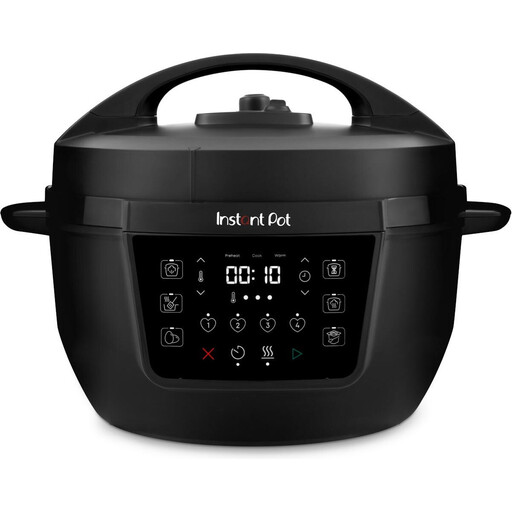
A larger model to compare if you want to make several portions of soup at once.
7.1 L; 7-in-1; stainless steel inner pot.
No, the nominal capacity is not the same as the permitted fill level. For the Instant Pot Duo, the manual specifies a maximum of two-thirds of the cooker’s capacity, or half for ingredients that expand; check the limit for your own model and include all the ingredients.
Never force open a cooker under pressure. Instant Pot recommends natural pressure release for the Duo soup/broth programme; for another model, follow its own instructions and only open it once the pressure has dropped sufficiently.
The Voedingscentrum advises cooling clear and thick vegetable soups quickly and storing them in a sealed container. Don’t leave leftovers out of the fridge for more than 2 hours; the recommended storage time is 2 days in the fridge and 3 months in the freezer.
According to ACM ConsuWijzer, your statutory rights apply alongside any manufacturer’s guarantee. If the product doesn’t meet reasonable expectations during normal use, the retailer is responsible for providing an appropriate solution; statutory rights in the Netherlands do not have a fixed duration of just 2 years.
Electrical equipment covered by Directive 2014/35/EU must carry a CE marking when placed on the EU market. Check the marking and accompanying safety information for the specific appliance; a brand name alone doesn’t tell you whether a particular model meets the applicable requirements.