
Someone who wears a smart uniform
You mainly want to press sleeves, seams and cuffs neatly, and can clear a small, flat area to do so.


For sharp creases in uniform sleeves and cuffs, a steam iron and a stable, suitable surface are the more practical choice. A foldable sleeve board can be stored away neatly after use. A handheld steamer is primarily designed for freshening up creases in hanging clothes, and is not an obvious substitute for a sharp pressed crease. Neither appliance creates drying space, so check the garment care label and decide in advance where the uniform can be hung or laid safely.
You mainly want to press sleeves, seams and cuffs neatly, and can clear a small, flat area to do so.
You want to put away an appliance and any ironing surface neatly after use, but may not have space to leave clothes hanging for a long time.
You place more importance on the care label and the finish you want than on maximum steam output.
First decide on the finish you want, then check whether you have space to iron safely or hang the uniform up.
Choose this if: a sharp sleeve crease, collar or cuff is your priority and you have a flat surface to work on.
Consider: ironing requires a suitable surface, and you’ll need to pay attention to the temperature indicated on the care label.
Choose this if: you mainly want to freshen up light creases and can hang the uniform safely.
Consider: Philips says a garment steamer won’t give the same results as an iron on thick cotton or linen shirts.
Choose this if: you regularly iron larger loads and have room for the base unit and a suitable ironing area.
Consider: a larger setup won’t automatically solve a lack of work or drying space.
| What to consider | What should you check? | Who is this most important for? |
|---|---|---|
| Sharp sleeves and cuffs | Check whether the iron has a pointed tip for seams and whether a sleeve board will fit on your work surface. | I want a crisp crease in sleeves or cuffs and have a flat surface for pressing. Around 36% of consumers give this finish top priority. |
| Work and storage space | Measure the space you have for use and storage; also consider where the uniform can hang safely. | If I have limited space, I want to know whether I can care for the uniform without a large ironing setup. Around 29% of consumers prioritise saving space. |
| Suitability for the fabric | Check the ironing symbol and any guidance on temperature and steam before setting up the appliance. | I want to care for the uniform fabric according to the label, even if a sharper crease seems to call for more heat or pressure. Around 21% of consumers put fabric care first. |
| Maintenance and service | Compare the model’s maintenance instructions and check the warranty terms and your rights as a customer. | I want to understand in advance what maintenance the appliance needs and who to contact if it develops a fault. Around 14% of consumers pay most attention to maintenance and service. |
A steamer needs a suitable place to hang the garment. For a sharp, formal finish, pressing with an iron is the more practical choice.
First decide whether you need a sharp crease or simply want to reduce creasing. Don’t steam against a door or another surface that could be damaged by moisture.
Even a compact ironing setup needs a stable surface while in use. A foldable sleeve board still takes up space when unfolded.
Measure both your work area and the space needed to store the appliance and ironing surface.
GINETEX says the care label, not just the name of the fibre, determines the maximum ironing temperature.
Check the label before setting the temperature or steam level.
In the Netherlands, statutory rights apply alongside commercial warranties. If a product doesn’t perform as you could reasonably expect under normal use, the retailer is your point of contact, according to ACM ConsuWijzer.
Keep your proof of purchase and check the terms of any commercial warranty separately from your statutory rights.
TexStyle steam irons for anyone who wants to work around seams and collars with an iron soleplate and precision tip.
Offers steam irons and garment steamers, making it a relevant brand if you’re weighing up a sharp pressed finish against simply freshening up creases.
Steam irons such as the Ultimate Pure FV9844 are worth considering if you want to compare steam settings and limescale maintenance.
Makes a foldable sleeve board as a separate ironing surface for detailed work on sleeves and cuffs.
The products below are irons for pressing sleeves; some product names also mention compact use or vertical steaming. Check that you have a suitable work surface, read the care label and review the features of the specific model.
 No image available
An option for anyone who wants to press sleeves with a compact appliance and also steam clothes vertically.
The product name mentions dual voltage and a lightweight, compact design.
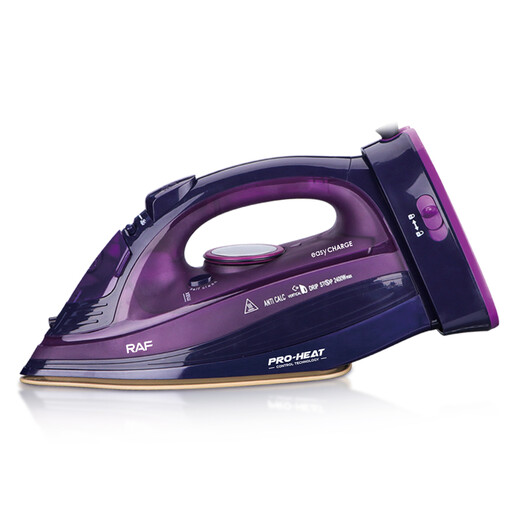 No image available
A cordless model to consider if freedom of movement matters to you while ironing; check that the included charging base suits the way you work.
The product name lists 2400 W, a 320 ml water tank, a steam output of 15–25 g/min, a ceramic soleplate and self-cleaning.
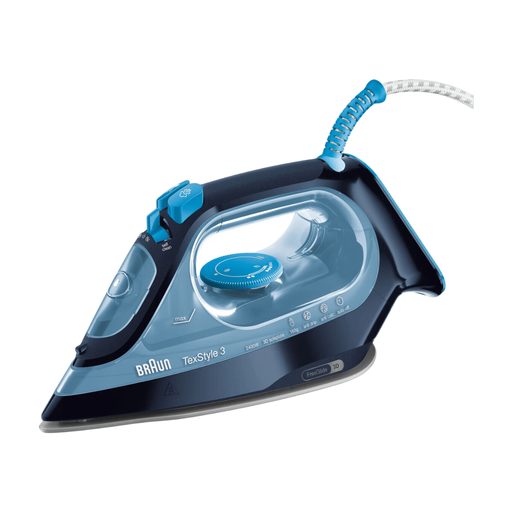 No image available
A model to consider if a precision tip would be useful for seams and hard-to-reach areas around sleeves.
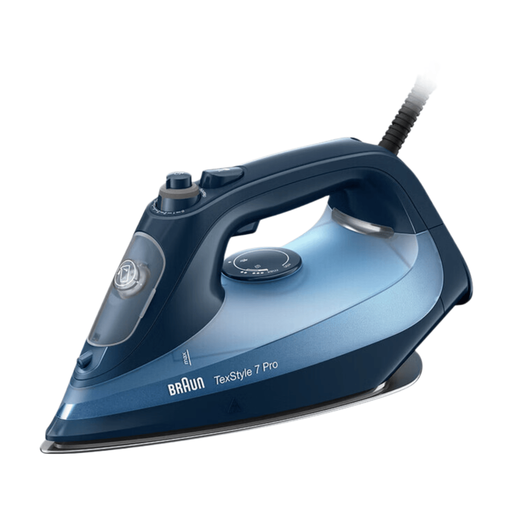 No image available
Worth considering if you want to work precisely around sleeves, buttons and seams; check that this model’s features suit the fabric and finish you need.
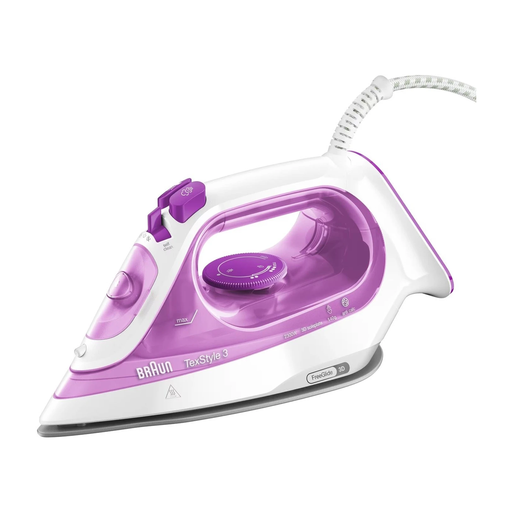 No image available
A model to consider if you want to iron around seams and hard-to-reach areas; check the temperature and steam settings for your uniform fabric.
Not if you need a sharp pressed crease: pressing with an iron on a suitable surface is the more practical choice. Philips says a garment steamer won’t give the same results as an iron, particularly on thick cotton or linen shirts.
Make sure the surface is stable and measure how much room you’ll need while ironing. According to the manufacturer, the Brabantia sleeve board has an ironing surface measuring 60 × 10 cm and can be folded up and hung away after use.
Follow the uniform’s care label for the maximum ironing temperature. Also check the care instructions for your exact appliance; Philips, for example, provides descaling instructions for specific models.
You have statutory rights as well as any manufacturer’s or retailer’s warranty. If the product doesn’t perform as you could reasonably expect under normal use, the retailer must provide an appropriate remedy free of charge, according to ACM ConsuWijzer. Don’t assume there is one fixed statutory warranty period of two years.
The CE mark is the manufacturer’s declaration that the product meets the applicable requirements; it is not an independent safety certification. The Netherlands Enterprise Agency makes this distinction for CE marking in the European Union too.