What should you look for when buying?
First decide whether the bread is for a regular lunch or a special occasion. Then assess the specific option by checking its label, serving format and practical availability.
| What to consider |
What to check when buying |
Who it matters to |
| Type of bread and fibre |
Check the type of bread and compare the fibre per 100 g on the labels of specific products. The Netherlands Nutrition Centre recommends wholemeal and brown bread for children aged 4 to 12. |
If bread is often on the menu, I want to know how the choice fits with our food policy. For around 34% of consumers, suitability as an everyday lunch staple comes first. |
| Allergens and arrangements |
Read the current label, including listed allergens and warnings about possible traces, and check it against the nursery’s individual arrangements. |
If a child has documented dietary requirements, I first need to establish whether this particular option can be served. Allergy and food-policy arrangements come first for around 33% of consumers. |
| Shape and serving style |
Choose between, for example, a whole loaf to slice and individual rolls. Check whether the chosen format suits the serving arrangements for the age group. |
For a special lunch, I look for variety in shape or crust, without treating its appearance as a nutritional benefit. For around 20% of consumers, the lunch experience matters most. |
| Buying and storage |
Check whether the product is currently available and read the storage and shelf-life information on the packaging. |
If I need to organise lunch in advance, I need bread that will be available in time and can be stored as directed on the label. For around 13% of consumers, practical planning is the main consideration. |
White loaves and rolls at Joybuy
These white baguettes and rolls are options for a special lunch when their shape suits the way you plan to serve them. Check the ingredients and allergens on each pack against the nursery’s arrangements; the shape alone does not make a loaf suitable as an everyday staple.
 No image available
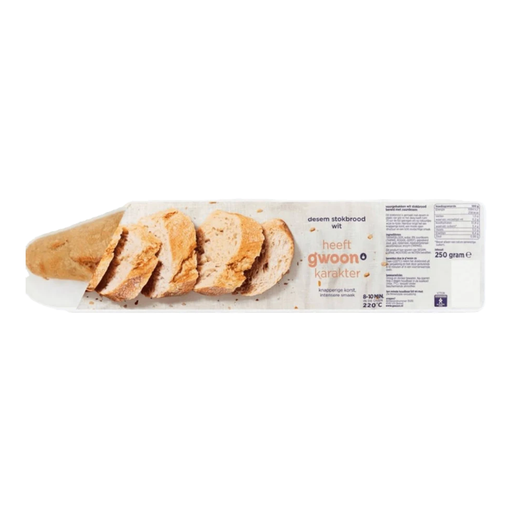
G'woon White Rustic Baguette, 250 g
A white baguette with a rustic shape for a special lunch where the bread will be shared.
The product information lists sourdough and wheat, and warns that it may contain traces of sesame, lupin, mustard and nuts. Check the current label, and compare fibre only on the same basis, such as per 100 g.
View at Joybuy
 No image available
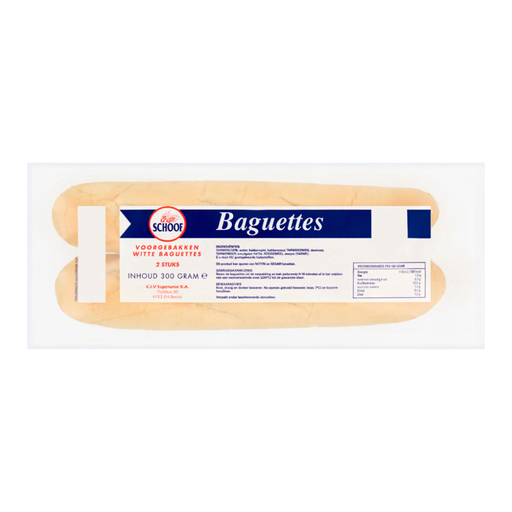
g'woon Baguettes White, 2 stuks, 300 g
Two white baguettes for a special lunch where the bread will be shared.
The product information lists wheat and possible traces of sesame. Check the packaging for current allergen information, and use values per 100 g when comparing fibre.
View at Joybuy
 No image available
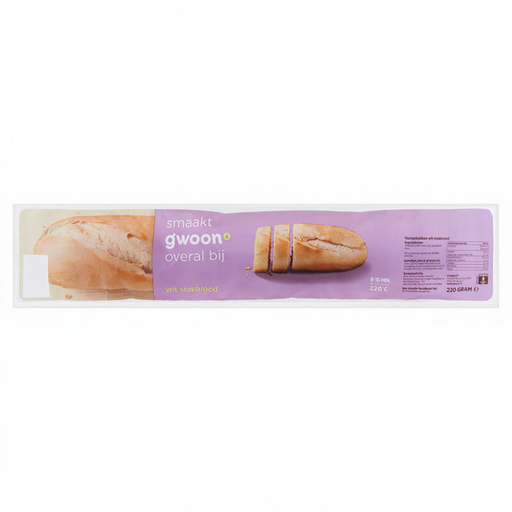
g'woon White Baguette, 220 g
A white baguette for a special lunch when baking it before serving fits your plans.
The product information says it should be oven-baked and lists cereals containing gluten, lupin and sesame. Check the baking instructions and allergens on the current packaging.
View at Joybuy
 No image available
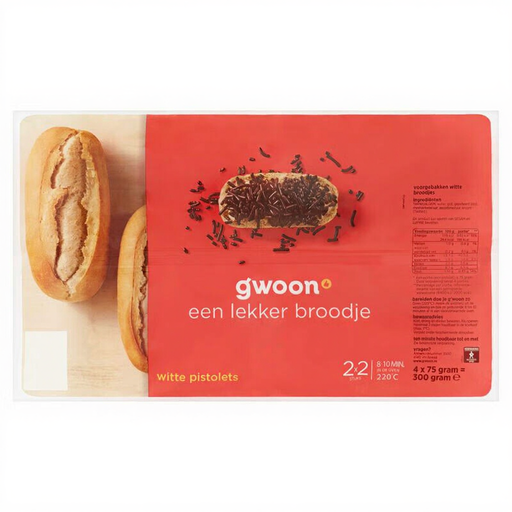
g'woon White Rolls, 4 stuks, 300 g
Four individual white rolls for a lunch where separate portions are practical.
The product information lists cereals containing gluten and sesame. Match the serving style to the age group and check the current packaging against each child’s individual dietary requirements.
View at Joybuy
Frequently asked questions
Is premium white bread suitable for everyday nursery lunches?
Don’t automatically make it your everyday bread choice. The Netherlands Nutrition Centre recommends wholemeal and brown bread for children aged 4 to 12 because of their fibre content. Consider how a special white bread fits with the nursery’s food policy and the age group in your care.
Can a child with a gluten or wheat requirement have ordinary white bread?
Don’t assume so. The white wheat breads mentioned from Albert Heijn and Jumbo list cereals containing gluten or wheat. Check the exact packaging and follow the child’s individual requirements and the nursery’s allergy procedures.
Does ‘baker’s salt’ mean every white loaf contains iodised salt?
No. Don’t assume what type of salt is used from the bread category. According to the National Institute for Public Health and the Environment, iodised salt in bread is part of the Netherlands’ iodine policy, but not all bread is made with it. Check the ingredients of the option you choose.
Is an online product description enough for planning lunch?
Use it to choose an option, but check the packaging of the bread that will actually be served. Ingredients and allergen information can change, so compare the current details with the nursery’s arrangements before serving the bread.


