
Vandaag of morgen in huis

Kwaliteit gegarandeerd

Welkomstaanbiedingen ontgrendelen: GRATIS bezorging | Tot 80% korting | Gratis 30 dagen JoyPlus-proefperiode
Download de app
When you search for premium dog and cat food, you’ll quickly come across terms like ‘natural’, ‘grain-free’, ‘dental care’ and ‘suitable for sensitive pets’. These can be helpful, but they don’t tell the whole story. The right choice mainly depends on species, age, body size, activity level, and whether it’s a complete food or a complementary snack.
A recipe featuring salmon, lamb or pumpkin sounds appealing, but always check the full composition. Ingredients are usually listed in descending order. Also look at the percentage of the named animal ingredient.
For example: Farmina N&D Ocean Cod with Pumpkin lists cod and dehydrated cod proteins as the first ingredients. That’s more specific than just a picture of a fish on the packaging. In cat food, ‘with chicken’ can also mean a relatively small proportion of chicken. So read the legal name and composition before relying on the front of the pack.
Grain-free dog food contains no grains, but may include peas, chickpeas or potato. That doesn’t automatically make it better for every dog. Pay attention to overall nutritional value, digestibility as per the product information, and how well your own pet tolerates it.
A dog with a known condition or food allergy may need a veterinary diet. Don’t use general marketing claims as a substitute for professional nutritional advice.
Pedigree dog snacks and dental chews are complementary feed. They won’t automatically provide all the nutrients a dog needs each day. Factor in the calories and adjust the main meal if needed.
For Pedigree Dental Chews Small Dogs, for example, it states that it is complementary food for dogs from 4 months and 5 to 10 kg. According to Pedigree’s own product information, daily use can reduce tartar build-up by up to 80%. Treat this as a product claim, not a guarantee for every dog.
Look for the designation complete feed when the product is intended to be your pet’s main daily meal. A product labelled ‘complementary’ or ‘supplementary’ is meant as an extra, a topper or a treat.
This distinction matters for wet cat food. The Purina One Hydralife Adult Cat Complementary Wet Food Salmon Flavor is a complementary food, for example. The description says it can be mixed through dry food, but it should not replace the full daily meal on its own.
A puppy has different nutritional needs from an adult or senior dog. For puppy dog food choose a recipe that clearly states it’s designed for puppies and the relevant size. Farmina N&D Pumpkin Lamb Puppy Medi/Maxi is, according to the product information, intended for puppies of medium and large breeds.
For senior dog food, look at the age guidance and breed size. Eukanuba Life Care Dog Senior Small Chicken is, according to the product description, for small senior dogs from 11 years. The lamb and rice variant targets small and medium senior dogs from 7 years.
Food for small-breed dogs often has an adapted kibble size and feeding guide. Always check your dog’s weight, daily ration and activity level.
Don’t just compare the price of a bag, also look at:
For cats, there are separate formulas for adult cat food, indoor cats and food for neutered cats. Purina One Sterilcat Beef & Grain Formula, for example, mentions an adjusted protein-to-fat ratio and balanced minerals for neutered or spayed adult cats. These are product features; results can vary per cat.
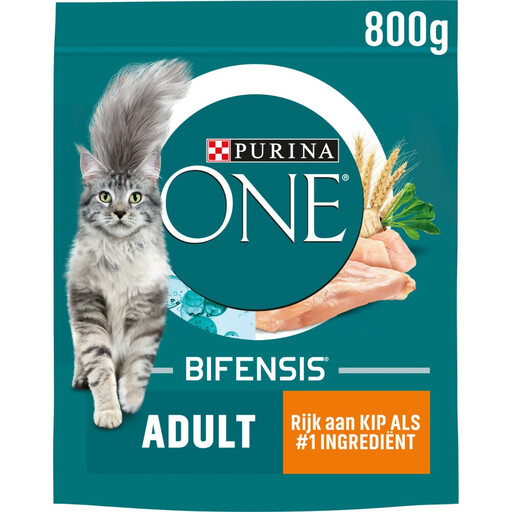
Why it fits this profile: A handy 800 g pack for anyone who wants to first see how an adult cat responds to a recipe.
The composition lists chicken 17%, wholegrain wheat 17% and analytical values, so you don’t have to rely on the front of the pack alone.
Complete nutrition for adult cats from 1 year; with 34% crude protein according to the product information.
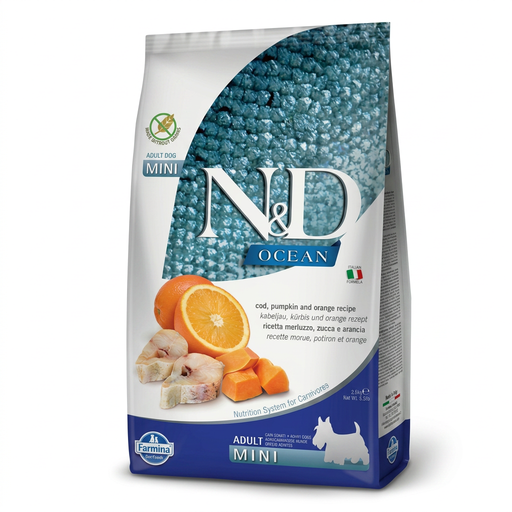
Why it fits this profile: For owners of a small adult dog considering a grain-free recipe with fish as the main protein source.
The product specifies 25% cod and 25% dehydrated cod protein, plus 5% dried pumpkin.
Grain-free recipe; 2,5 kg pack; tailored to small adult dogs.
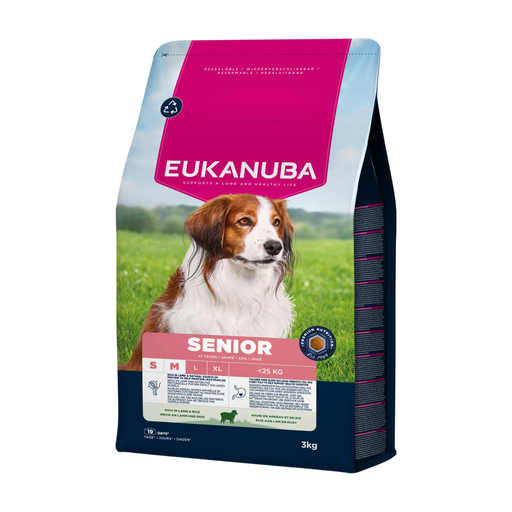
Why it fits this profile: Targeted at small and medium senior dogs from 7 years, with portions and ingredients for this life stage.
The age and size indication makes it clear which dogs the formula is intended for; it’s not a one-size-fits-all option.
Lamb and rice listed as main ingredients; fibre blend, glucosamine and chondroitin are mentioned in the product description.

Why it fits this profile: For owners of small dogs of 5 to 10 kg looking for a daily complementary chew.
The target user, quantity and frequency of use are indicated. The product isn’t presented as a complete meal.
X-shaped texture; 1 stick per day according to the stated feeding guide; fresh drinking water should be available.
Transition to a new recipe gradually, usually spread over about a week. Mix an increasing proportion of the new food with the old and monitor appetite, stools and body condition. Stop if you notice obvious issues and seek advice from a vet.
Store dry food sealed, cool and dry. Once opened, wet food should be refrigerated and used as soon as possible. Weigh the daily portion rather than relying solely on a measuring cup. Activity level, age and body weight can influence the amount required.
We’ve compiled a complete, up-to-date list of products that fully meet these strict selection criteria and current European safety regulations.
No. Premium dog and cat food can include grains as well as grain-free ingredients. Look at the full composition, nutritionals and suitability for your pet. A grain-free formula is a specific product choice, not a blanket guarantee.
That varies by pack and product. Reseal the bag well, store it cool and dry, and follow the shelf-life and storage advice on the label. Choose a bag size your pet will finish within a reasonable period so flavour and texture are preserved as much as possible.
Work out the monthly cost with this simple formula: price per pack divided by the weight, multiplied by the daily portion and roughly thirty days. Don’t forget to factor in complementary treats, wet food and any special formulas for puppies, seniors, indoor cats or neutered cats.
