Choose fresh, shop-baked rustic bread or sourdough if you want to serve it straight after a quick shopping trip; choose bake-at-home bread if your meal is later and you have the time and equipment to prepare it at home. If wholemeal, iodised salt or allergens matter to you, check the information for the specific bread: terms such as sourdough, spelt and organic don’t guarantee anything on their own.
Who is this choice relevant to?
If you want to serve it straight away
You’re picking up bread for soup, a sharing platter or another special meal, and don’t want to bake at home. Look for fresh, shop-baked rustic bread or sourdough, and check what your local store has available that day.
If you’re planning when to serve it
You’re buying bread in advance to bake at home shortly before the meal. The preparation and storage instructions for your chosen product will tell you how much time you’ll need.
If you check ingredients closely
As well as taste, you want to check whether the bread is wholemeal, what type of salt it contains and which allergens are relevant. The current packaging or information provided for loose bread is more important than the style of bread.
What should you look for when choosing?
First decide whether the bread needs to go straight on the table or will be baked at home later. Then check the ingredients and allergens that matter most to you.
| What to consider |
What to check when buying |
Who it matters to |
| Serving straight away |
Check the shop’s range and, if needed, ask when the bread was baked. Jumbo describes rustic sourdough baked in store, but it isn’t available to order online. |
If I’m eating straight after shopping, I want to serve the bread without baking it at home; around 36% of consumers prioritise serving it straight away. |
| Baking it later |
Read the storage and preparation instructions and check that you have the equipment and time you need. For a specific sourdough baguette, PLUS recommends 8–10 minutes in an oven at 220°C. |
If the meal is later, I want to bake the bread just before eating. Around 29% of consumers give serving time the highest priority. |
| Wholemeal and ingredients |
Look for the wholemeal label and read the ingredients list; compare fibre per 100 g only between products prepared in a similar way. The Netherlands Nutrition Centre defines wholemeal bread by the use of the whole grain. |
What the bread is made from matters to me, even when I choose a special type of bread; around 21% of consumers give this ingredient choice the greatest weight. |
| Allergens and iodised salt |
Check the current allergen information and, if the type of salt matters to you, look for baker’s salt or iodised salt. Ask about the relevant ingredients before buying loose bread. |
If I need to avoid an allergen or want to know what type of salt is used, I can’t rely on the bread’s name; around 14% of consumers make this their first priority. |
Common mistakes
-
Assuming all sourdough or organic bread contains iodised salt
According to the Netherlands Nutrition Centre, bakers aren’t required to use baker’s salt. So the type of bread won’t tell you which salt a particular loaf contains.
Check whether baker’s salt or iodised salt is listed in the ingredients, or ask about it when buying loose bread.
-
Mistaking a rustic appearance for wholemeal
Sourdough, spelt, multigrain and visible seeds don’t automatically mean a bread is wholemeal. According to the Netherlands Nutrition Centre, wholemeal bread is made using the whole grain.
Look for the wholemeal label and check the ingredients if this distinction matters to you.
-
Buying bake-at-home bread without planning when to prepare it
Baking times, temperatures and any defrosting requirements vary by product. This makes bake-at-home bread less suitable if you want to eat as soon as you get home.
Read the instructions on the packaging before buying, and make sure they fit your serving time and equipment.
-
Trying to identify allergens from the name or visible topping
The bread’s name doesn’t show all its ingredients or relevant warnings. The Netherlands Food and Consumer Product Safety Authority says that information on designated allergens must also be available for loose foods.
Read the current packaging or ask at the counter about the specific allergens that matter to you before buying.
Brands and ranges to explore
Albert Heijn / AH Liefde & Passie OerDesem
A range to explore if you’re looking for a distinctive sourdough or grain profile and can defrost the bread in advance if needed.
- For its specific OerDesem spelt and buckwheat bread, Albert Heijn lists sourdough, iodised salt, 5,7 g of fibre per 100 g and a minimum defrosting time of 6 hours.
- This information applies to that product, not every bread in the range. Check the current packaging, especially if you want to serve the bread the same day.
Jumbo / Jumbo's rustiek desem
A shop-baked option if you want to serve rustic sourdough with your meal without baking it at home.
- Jumbo describes eight flavour varieties that, according to the retailer, are proved for more than 24 hours and baked in store.
- Jumbo says these breads can’t be ordered online. Check the range at the store you plan to visit.
PLUS / Korenlanders en afbak-desem
A range to compare if you want to bake baguettes or rolls at home just before eating.
- For specific bake-at-home products, PLUS provides preparation instructions, ingredients and allergen information. For example, a sourdough baguette has oven instructions of 220°C for 8–10 minutes.
- Preparation, ingredients and nutritional information vary by product. Follow the instructions for the bread you buy.
Lidl / ovenvers bake-off
An option for a quick shop if you’re looking for bread or rolls baked in store.
- Lidl Netherlands says fresh-from-the-oven bake-off bread is available from 06.00 and that almost all its stores have a bake-off section.
- Almost all stores doesn’t mean every store. Check the store information in advance and confirm what’s available on the day.
ALDI / Bakkersgoud Rustiek
A store to try if you’re looking for rustic, spelt, wholemeal or multiseed bread.
- ALDI Netherlands lists rustic white, extra wholemeal, spelt and light multiseed bread among the Bakkersgoud and Bakkersgoud Rustiek ranges.
- According to ALDI, this range is available in stores with a bakery section. Check the specific bread for ingredients and allergens.
Dirk / Bakker van der Akker en Vers afbak
A store to visit if you want to compare crusty loaves, multigrain bread, spelt bread and rustic bake-at-home bread.
- Dirk lists, among other products, breads from Bakker van der Akker and rustic bread to bake at home.
- Use the shelf label and the packaging for your chosen bread to check whether it’s sourdough and to assess its ingredients and allergens. Don’t infer these features from the range name alone.
Bake-at-home bread on Joybuy
These baguettes are a good choice if you’re planning to bake bread at home for a meal. Before buying, check how many are included in each variant and read the current product information for preparation and allergens.
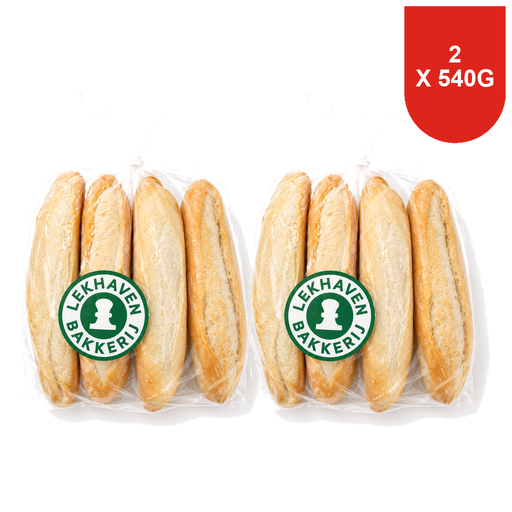 Image unavailable
Lekhaven Bakkerij Natural Rustic Baguette 4 × 135 g × 2
For a meal you can plan ahead for; allow time to defrost. Check how many baguettes are in the pack: the product information lists both four baguettes and 4 × 135 g × 2. Follow the current packaging for preparation and any allergen information.
View on Joybuy
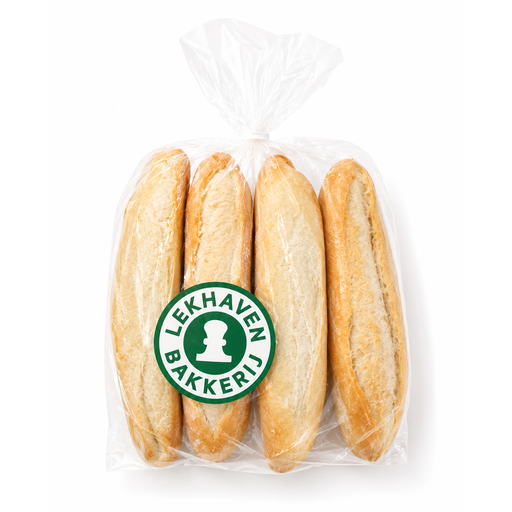 Image unavailable
Lekhaven Bakkerij Natural Rustic Baguette 4 × 135 g
For anyone who wants to bake the baguettes at home after defrosting and has time to do so. Check the current packaging for the baking time: the available product information gives different times. Also check the ingredients and allergens there.
View on Joybuy
 Image unavailable
Lekhaven Bakkerij Multigrain Rustic Baguette 4 × 135 g
A multigrain baguette for a meal where you want to bake the bread at home after defrosting. Multigrain doesn’t automatically mean wholemeal, so check the ingredients if that distinction matters to you. Also read the current allergen information and baking time on the packaging.
View on Joybuy
Frequently asked questions
Does all bread in the Netherlands contain iodised salt?
No. According to the Netherlands Nutrition Centre, baker’s salt contains added iodine, but bakers aren’t required to use it. Check whether baker’s salt or iodised salt is listed in the ingredients, or ask about it when buying loose bread.
How can I check allergens in loose bread?
Ask about the allergens that matter to you before buying. The Netherlands Food and Consumer Product Safety Authority says that information on designated allergens must also be available for loose foods; don’t rely on the bread’s name or visible ingredients alone.
Can I buy bake-at-home bread earlier in the day for a later meal?
Yes, as long as you can store and prepare the bread according to the product instructions. For example, PLUS says that a specific frozen bread roll should be stored at -18°C and must not be refrozen after defrosting; check the instructions for your product.
Are sourdough, spelt and multigrain the same as wholemeal?
No. According to the Netherlands Nutrition Centre, wholemeal bread is made using the whole grain; the terms sourdough, spelt and multigrain don’t mean that on their own. Look for the wholemeal label and check the ingredients of the specific bread.


