
Vandaag of morgen in huis

Kwaliteit gegarandeerd

Welkomstaanbiedingen ontgrendelen: GRATIS bezorging | Tot 80% korting | Gratis 30 dagen JoyPlus-proefperiode
Download de app
As an avid predator angler, you know that the right gear makes all the difference. You're not looking for generic tips, but for specific, reliable equipment that matches your fishing technique. However, the market is flooded with options, and it can be tough to cut through the marketing noise.
My name is Joybuy, and as a Product Recommendation Officer, my job is to help you. I filter the selection and provide objective, practical advice. In this article, we'll look at concrete recommendations for your 2026 predator fishing setup, aimed at the serious angler who demands quality.
Before we dive into the products, here are a few key points. As an experienced angler, you know the basics, but these details can help you make an even better choice.
The term predator rod is broad. Its effectiveness depends on the action (where the rod bends) and the power (its casting weight). For techniques like jigging, where you want to feel direct contact with your lure, a rod with fast action and a sensitive tip is essential. For trolling with larger plugs, a rod with a more parabolic (slower) action can be advantageous to absorb the shock of a strike. So, don't just focus on length, but especially on how the rod is built for your favourite technique.
Do you regularly fish at sea or in brackish water? Then the material choice for your saltwater fishing gear is crucial. Stainless steel or anodised aluminium for components like a fish gripper or your rod guides isn't a luxury, but a necessity. Corrosion can quickly render your equipment useless. Always check the manufacturer's specifications for saltwater resistance. This also applies to the hooks and split rings on your lures.
Good fishing tackle makes your day on the water more efficient and safer. A fish gripper, for example, isn't just for landing a fish with sharp teeth. A quality model allows you to unhook the fish without harming it, which is essential for responsible catch-and-release practices. Look at the mechanism: can it be operated with one hand? Does it offer a firm grip, even when wet? These are the details that make the difference.
Based on specifications and functionality, we have selected a few interesting products that meet the needs of the specialised predator angler.
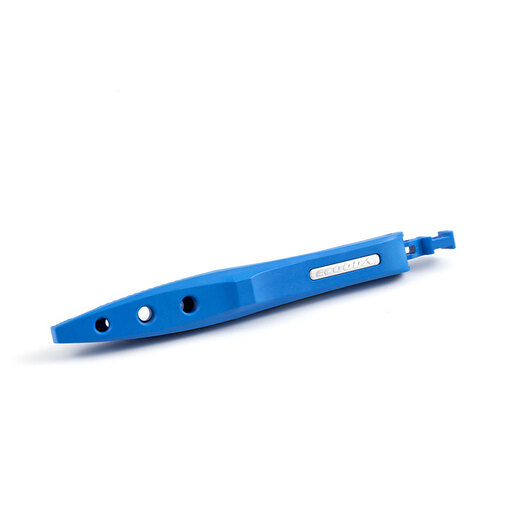
Why It Stands Out: This fish gripper from ECOODA is designed with durability and ease of use in mind. The specifications indicate a robust construction suitable for both freshwater and saltwater conditions—a key point for the all-round angler. The mechanism is focused on a secure and firm grip without unnecessarily injuring the fish.
Key Features:
Who Is It For? For the predator angler seeking a reliable tool for landing fish like pike, zander, or sea bass, and who values responsible handling of their catch.
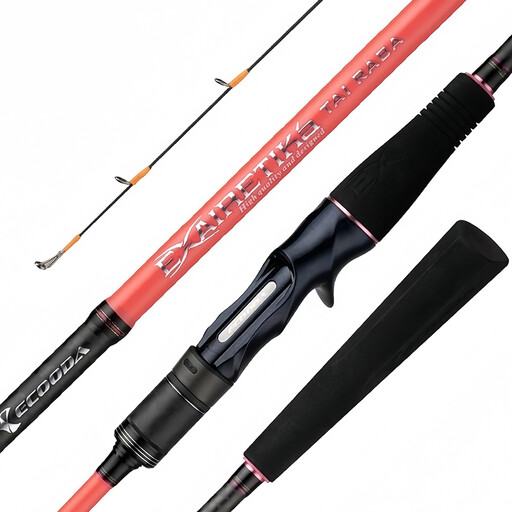
Why It Stands Out: This is not an all-round rod, but a specialist tool. The name "Rubber Jig Fishing Rod" and the reference to "Tenya Game" already indicate that this rod was developed for specific, finesse-style bottom techniques. The focus is on high sensitivity in the tip, allowing you to feel every bite and the structure of the bottom perfectly.
Key Features:
Who Is It For? For the technical angler, often fishing from a boat, who specialises in jigging for zander, perch, or saltwater predators and demands maximum sensitivity from their equipment.
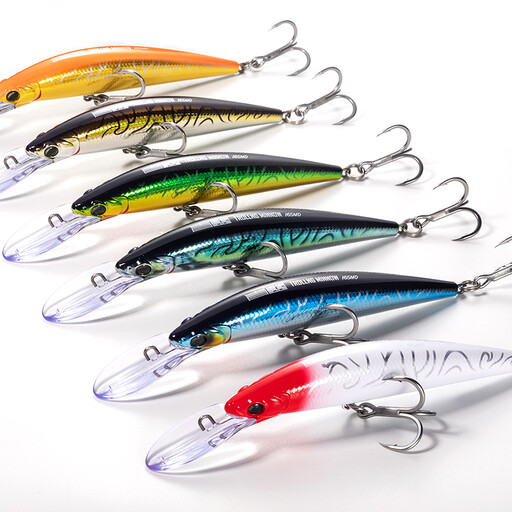
Why It Stands Out: This plug is specifically designated as a "Trolling" lure. This means its design is focused on a stable and attractive action at a constant speed behind the boat. At 165mm, this is a serious plug for targeting larger predatory fish. The minnow model imitates a slender baitfish, a proven and effective profile.
Key Features:
Who Is It For? For the boat angler who focuses on trolling in large bodies of water, both fresh and salt, and is looking for reliable plugs for bigger predatory fish.
The products mentioned above are specific choices for particular techniques. Perhaps you're looking for a different type of rod, another lure, or other accessories. Every angler has their own preferences and style.
For a broader overview of rods suitable for various fishing techniques, you can browse our full range.
? Explore more options in the Fishing Rod category here
Focus on the 'action' and 'casting weight'. For active lure fishing (jigging, casting), a rod with a fast action and a sensitive tip is ideal. For static fishing with deadbait or trolling with heavy lures, a rod with more backbone and a slower, more parabolic action is often better to absorb the power of the fish.
The main difference lies in the materials used. Saltwater fishing gear, including lures, must be corrosion-resistant. This means hooks, split rings, and any metal components should be made of stainless steel or another coated alloy. The colours and models can also differ, tailored to the prey fish found in saltwater.
After every fishing trip, especially in saltwater, rinse your rod, reel, and lures with fresh water. Let everything dry completely before storing it. Regularly check your rod guides for damage and the hooks on your lures for sharpness and rust. A little maintenance significantly extends the life of your valuable fishing tackle.
