
Vandaag of morgen in huis

Kwaliteit gegarandeerd

Welkomstaanbiedingen ontgrendelen: GRATIS bezorging | Tot 80% korting | Gratis 30 dagen JoyPlus-proefperiode
Download de app
Buying a pre-workout seems simple: choose a flavour, compare the number of servings and place your order. However, these supplements vary considerably in caffeine content, dosage, ingredients and ease of use. Eye-catching packaging or promises of extreme energy mean little if the formula is not suited to your training.
This selection helps you distinguish marketing claims from verifiable product information. That way, you can find the right pre-workout supplement for strength training, intense workouts, evening training or use on the go.
According to permitted European health claims, caffeine can contribute to increased alertness and concentration. This does not mean that a higher content is automatically better for you. Available products range from 75 mg per sachet to 200 mg per serving.
Take coffee, tea, energy drinks and other supplements into account. If you train later in the day, you may also experience disrupted sleep patterns. Always check the recommended serving and do not simply combine several stimulant products.
A pre-workout containing creatine, beta-alanine, citrulline, taurine, vitamins and caffeine may appear comprehensive. The relevant question is: how much does each serving contain, and do you need those ingredients?
For example, C4 Original lists 1,500 mg creatine monohydrate, 1,600 mg beta-alanine and 150 mg caffeine per serving. A separate creatine product may be a simpler choice if you specifically want to take creatine daily. According to the product information, Lucovitaal Pure Creatine Monohydrate contains 100% creatine monohydrate and recommends 3,000 mg per day.
You need to weigh and mix a powder. That is practical at home, but less convenient when you are out and about. A pre-workout gel is ready to use straight away, but may contain a relatively high dose of caffeine. Sachets are compact, although they often provide a different formula from a full-size pre-workout powder.
Also consider moisture. According to C4’s product information, powders may clump or harden after opening when they absorb moisture. Prevent this by closing the packaging properly and storing it in a dry place.
Always compare the caffeine per recommended daily serving, not just per 100 grams. This product selection includes:
A caffeine-free pre-workout is therefore not only intended for people who are sensitive to caffeine. It can also be practical for evening training or if you want to keep your total daily caffeine intake low.
For a pre-workout for strength training or an intense workout, common ingredients include creatine, beta-alanine and citrulline. Assess them based on the stated dosage, not the front of the packaging.
According to permitted product information, a daily intake of 3 grams of creatine can support physical performance during repeated short, high-intensity efforts. Beta-alanine may cause a temporary tingling sensation in some users. This is a known reaction, but it is not a reason to exceed the recommended dose.
Also pay attention to combined formulas. A creatine pre-workout can be useful if you want several ingredients in one drink, but check that the amount of creatine fits into your daily routine.
A 300-gram tub does not automatically provide more uses than a 200-gram tub. Look at the serving size and number of servings. For example, Optimum Nutrition Platinum Pre-Workout contains approximately 20 servings of 21 grams, while C4 195 grams lists approximately 30 servings.
Also check how much water is required. Some products are mixed with 120 to 180 ml of water, while others require 350 to 400 ml. A gel does not require a shaker, but each pack contains 20 individual sachets.
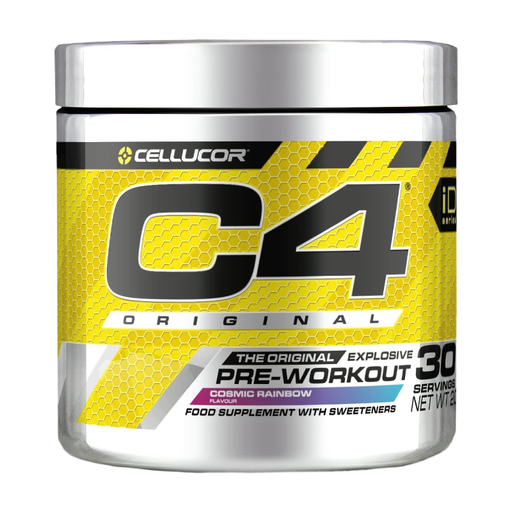
Why it suits this profile: The clearly defined serving of one level scoop and approximately 30 servings make this an easy-to-understand starting option for adults who want to try a caffeinated pre-workout powder.
The caffeine content of 150 mg and the amounts of the key ingredients are stated per serving. You do not have to rely on a general marketing promise.
Powder mixed with water; 150 mg caffeine; beta-alanine, creatine and L-arginine per serving.
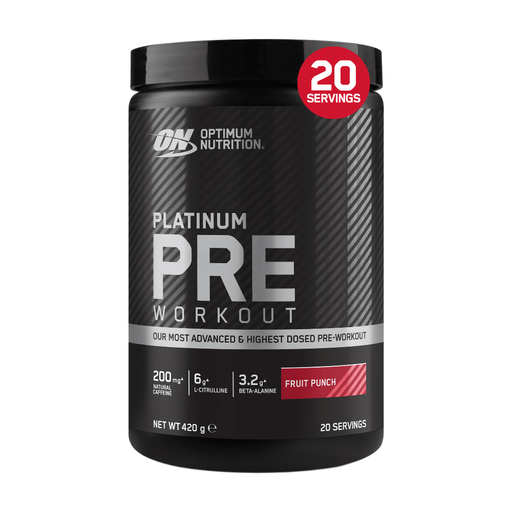
Why it suits this profile: This formula is designed for adults who train intensively and want to compare several ingredients per serving.
The product information gives separate amounts: 6 grams of citrulline, 3.2 grams of beta-alanine, 3 grams of leucine and 200 mg of caffeine per serving.
20 servings; 21 grams per serving; contains citrulline, beta-alanine, leucine, L-theanine and caffeine.
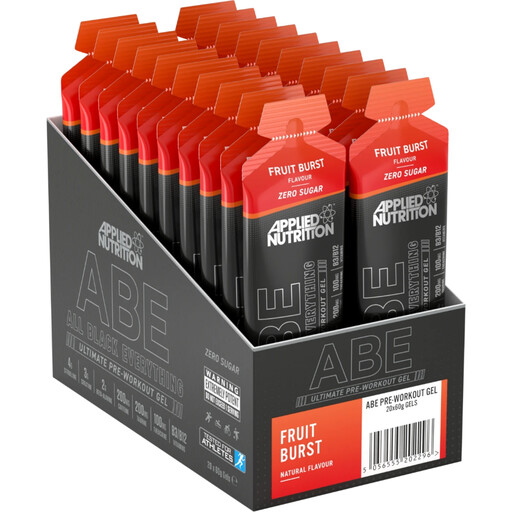
Why it suits this profile: The individual gels are suitable for adults looking for a compact solution for strength training, HIIT or team sports without a shaker.
The gel is ready to use straight away, but clearly states 200 mg of caffeine per sachet. This makes the serving easy to monitor.
60 grams per gel; 4 grams citrulline malate, 3 grams creatine and 2 grams beta-alanine; 20 individual gels.
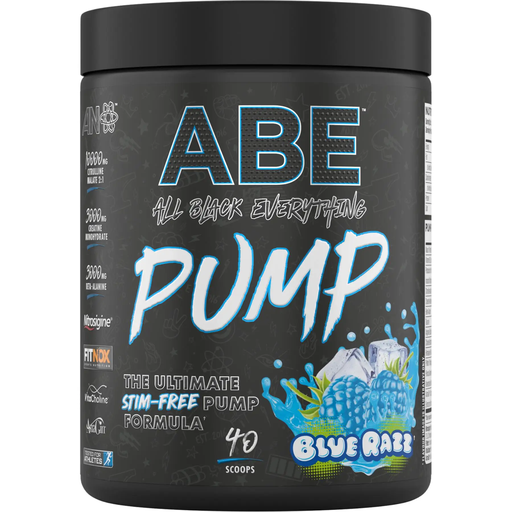
Why it suits this profile: This caffeine-free pre-workout is for adults who train later in the day or want to avoid stimulant ingredients.
The formula explicitly states that it is caffeine-free. You therefore do not need to search the ingredients list for a hidden source of caffeine.
Contains citrulline malate, beta-alanine, creatine and taurine; maximum 25 grams per day; suitable for mixing with water.
We have put together a complete, up-to-date list of products that fully meet these strict selection criteria and the applicable European safety regulations.
This varies depending on the product and packaging. Check the best-before date and store the supplement in a cool, dry place with the packaging properly closed. Powder may clump due to moisture. This does not automatically indicate spoilage, but if in doubt, always check the smell, colour, packaging and label.
The recommended timing varies by product. Many powders recommend taking them 20 to 30 minutes before training. Lucovitaal Electrolytes Pre Performance states 30 to 60 minutes, while the ABE Energy Gel is used approximately 15 minutes beforehand. Always follow the instructions on the specific label.
Calculate the cost per training session by dividing the purchase price by the number of recommended servings. Then compare the serving size as well. A product with more servings is not automatically better value if the dosage or formula differs significantly. For gels and sachets, check the price per individual serving; for powder, check the number of full scoops.
