
Vandaag of morgen in huis

Kwaliteit gegarandeerd

Welkomstaanbiedingen ontgrendelen: GRATIS bezorging | Tot 80% korting | Gratis 30 dagen JoyPlus-proefperiode
Download de app
A pre-workout supplement can be a useful addition when you want to build a consistent preparation routine before weight training, fitness sessions or high-intensity interval training. However, you're not automatically paying for a well-thought-out formula. Packaging often features long ingredient lists, bold claims and names like "energy blend", without always making it clear how much of each component you're actually getting.
The main pitfalls to watch out for:
A pre-workout with caffeine in the range we've selected contains roughly 100 to 200 mg of caffeine per recommended serving. That difference is noticeable in your daily planning, especially if you also drink coffee or energy drinks.
Check:
The product information for several variants advises you to factor in caffeine from other sources. A caffeinated pre-workout is therefore not automatically suitable for every workout. If you train late in the evening or you're sensitive to caffeine, look for a caffeine-free formula instead.
With a beta-alanine pre-workout, the amount of beta-alanine should be clearly stated on the label. A temporary tingling sensation can occur in some people; this is not evidence that a product works better.
For a creatine pre-workout, the daily amount is particularly relevant. The product information shows, for example, that some formulas contain 1.5 g of creatine per serving, while others list 3 g of creatine per maximum daily dose. So don't just compare the ingredient name, but also the dosage.
Also pay attention to:
Claims from a brand about focus, energy or performance are no guarantee of your personal experience. Use the product specifications as a basis for comparison.
A powder is usually suitable when you want to control the amount of water and the timing of use yourself. A shot is handy for on the go, but usually contains one fixed serving. A gel can be practical during travel or competitions, but has a thicker texture.
Also check:
A sugar-free pre-workout can be a good fit when you want to limit your sugar intake, but "sugar-free" says nothing about caffeine, flavour or overall ingredient quality.
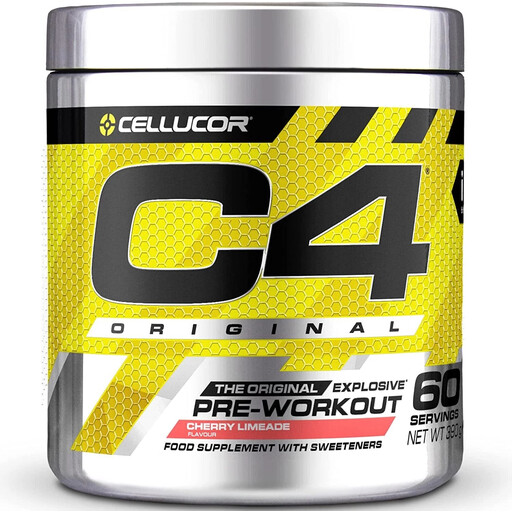
Why this fits the profile: The pack contains approximately 60 servings and the recommended serving is one level scoop with 150 mg of caffeine.
The amounts of caffeine, beta-alanine and creatine are listed per serving, so you don't have to rely solely on a general blend name.
Powder format, around 30 servings per pack in the smaller variant and 150 mg of caffeine per recommended serving.
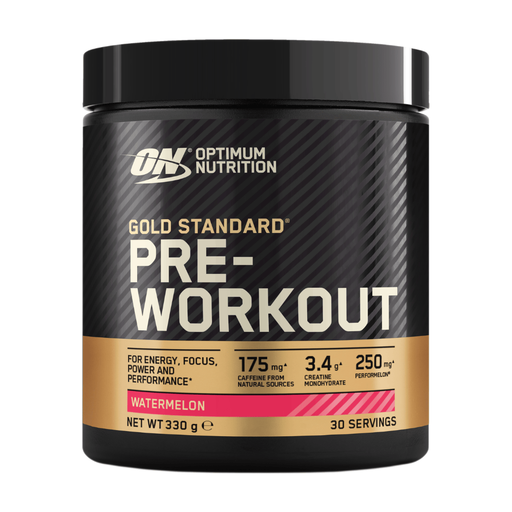
Why this fits the profile: This formula combines caffeine, creatine, beta-alanine and citrulline in a clear 11 g serving.
The product specification lists the amounts per ingredient, including 175 mg of caffeine and 3.4 g of creatine monohydrate.
Approximately 30 servings, sugar-free formula according to the product information and suitable for adults who train intensively.
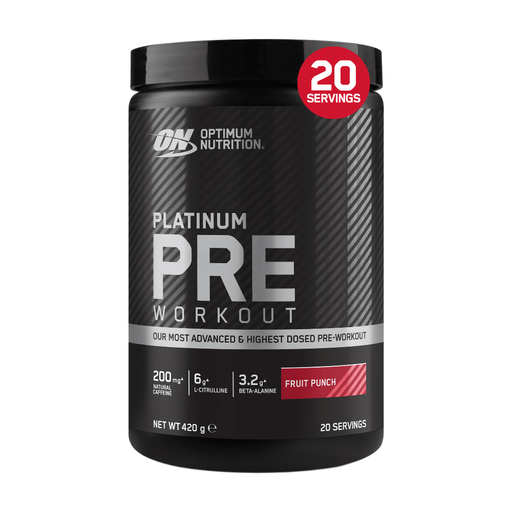
Why this fits the profile: The serving contains 200 mg of caffeine, 6 g of L-citrulline and 3.2 g of beta-alanine, designed for adults with intensive training sessions.
The higher dosages are visible per daily serving. This allows you to better compare the formula against your own experience and total caffeine intake.
6 g of L-citrulline, 3.2 g of beta-alanine, 200 mg of caffeine and approximately 20 servings per pack.
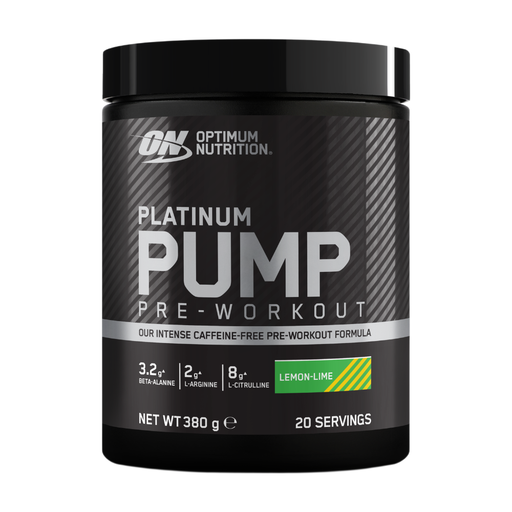
Why this fits the profile: This caffeine-free powder formula is designed, according to the product information, for workouts at any time of day.
You avoid the pitfall of hidden caffeine: the formula lists no caffeine and contains 8 g of L-citrulline per serving.
Caffeine-free, 8 g of L-citrulline, 3.2 g of beta-alanine and approximately 20 servings per pack.
We've put together a full, up-to-date list of products that fully meet these strict selection criteria and comply with current European safety regulations.
Most products in this selection recommend using it 20 to 30 minutes before training. Optimum Nutrition shots can be used approximately 30 to 60 minutes beforehand, according to the product information. Always follow the dosage on the label and do not take multiple servings to speed up the effect.
The best-before date and batch code are on the packaging. After opening, a pre-workout powder can clump or harden due to moisture. Therefore, store the tub tightly sealed, in a cool, dry place away from direct sunlight. Use a dry scoop and check the label before using the product.
You can calculate the cost per training session by dividing the price of the pack by the number of recommended servings. A powder with 30 or 60 servings can be more economical per use than an individual shot or gel. On the other hand, a shot or gel doesn't require a shaker or water. So compare both the price per serving and the convenience of use.
