
Vandaag of morgen in huis

Kwaliteit gegarandeerd

Welkomstaanbiedingen ontgrendelen: GRATIS bezorging | Tot 80% korting | Gratis 30 dagen JoyPlus-proefperiode
Download de app
A pre-workout supplement can be useful before weight training, fitness sessions, HIIT or any other intense workout. However, you are not automatically paying for a formula that suits your routine. Many products look similar, while the differences lie in caffeine content, dosage, number of servings and how the product is used.
Anyone looking to buy a pre-workout without comparing the options is likely to encounter three main pitfalls:
A pre-workout with caffeine in the range covered contains approximately 100 to 200 mg of caffeine per recommended serving. Examples include:
Always check the recommended dosage on the label and include coffee, tea, energy drinks and other supplements in your total intake. Product information warns that caffeine-containing variants are not intended for children and are not recommended for pregnant women, breastfeeding women or people who are sensitive to caffeine. If you take medication or have a medical condition, consult a doctor or pharmacist.
If you train in the evening, a caffeine-free pre-workout may be more practical. This means you avoid taking a stimulant before your workout. Caffeine-free does not mean that you no longer need to check the ingredients.
Commonly used ingredients include beta-alanine, citrulline, creatine, taurine and amino acids. Do not just look at the name; check the quantity per serving.
Examples from the product information:
According to the brands’ product information, caffeine and certain vitamins can contribute to alertness, concentration or normal energy metabolism. Treat this information as a product specification, not as a personal guarantee. According to the warnings on some labels, beta-alanine may temporarily cause a tingling sensation.
Also look out for terms such as citrulline malate 2:1. The stated quantity may refer to the compound rather than the amount of pure L-citrulline. For this reason, check the label when comparing dosages between brands.
A pre-workout powder is usually suitable if you train several times a week and have access to water. A scoop is mixed with approximately 120 to 400 ml of water, depending on the product.
A pre-workout shot or pre-workout gel is easier to take with you. There is no need to weigh or mix anything, but the packaging often contains one fixed, relatively high dose of caffeine. For example, a 60 ml shot can be consumed quickly, while a tub with 30 servings may be a better fit for a regular training routine.
Check the following before buying:
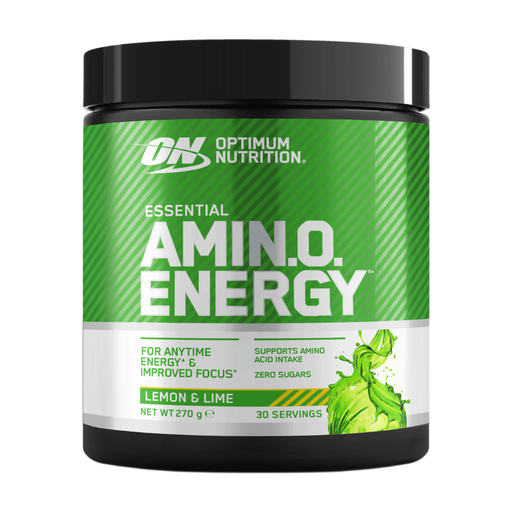
Why it suits this profile: The tub contains approximately 30 servings and provides 100 mg of caffeine per serving. This makes the dosage easy to understand for anyone looking for a moderate pre-workout for energy and focus.
The product information states both the number of servings and the amount of caffeine and amino acids per serving.
Approximately 30 servings, 100 mg of caffeine and no sugar according to the product information.
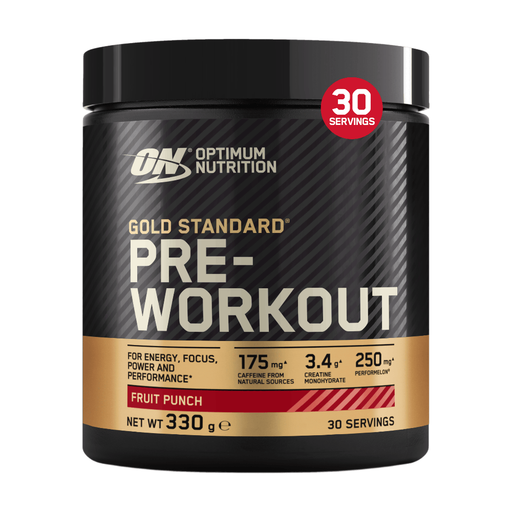
Why it suits this profile: This formula is designed for adults who want to combine multiple ingredients per serving for strength training or intense workouts.
The formula lists the dosage of creatine, beta-alanine, citrulline and caffeine separately, among other ingredients.
30 servings, 175 mg of caffeine and 3.4 g creatine monohydrate per serving.
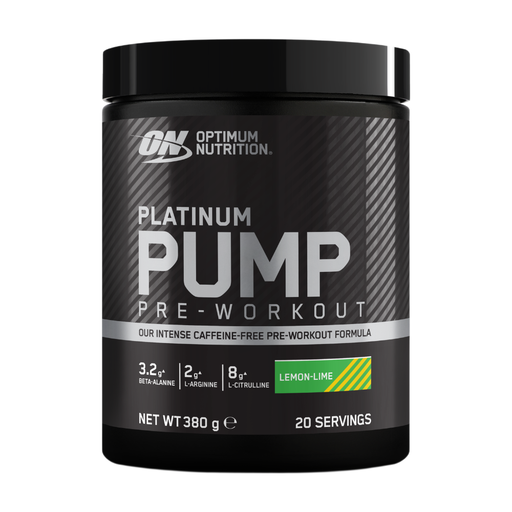
Why it suits this profile: The caffeine-free formula is intended for adults who train later in the day or want to avoid stimulants around their workout.
The caffeine content is zero, so you do not accidentally add the stimulant alongside coffee or energy drinks.
8 g L-citrulline, 3.2 g beta-alanine and approximately 20 servings per pack.
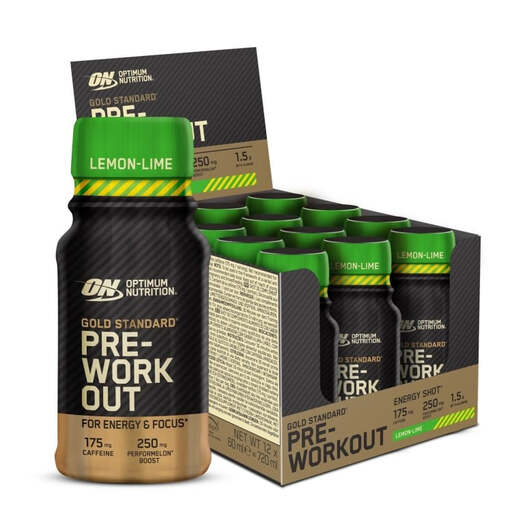
Why it suits this profile: The 12 individual 60 ml bottles are ideal for athletes who do not want to carry powder, a shaker or a measuring scoop.
The fixed 60 ml serving means there is no need to measure, but it makes it especially important not to add a second bottle or another source of caffeine.
Ready-to-drink format, sugar-free according to the product information and 175 mg of caffeine per bottle.
We have compiled a complete, up-to-date list of products that fully meet these strict selection criteria and the applicable European safety regulations.
This varies by product. Powders and shots in the range usually recommend taking them approximately 20 to 30 minutes before training. Some shots specify 30 to 60 minutes, while gels recommend around 15 minutes. Always follow the instructions on the packaging and do not take more than one recommended serving per day.
Check the expiry date and batch code on the label. An opened pre-workout powder may start to clump or harden because of moisture. Prevent this by sealing the tub properly and storing it in a cool, dry place away from direct sunlight. An opened shot or gel should preferably be consumed immediately.
Calculate the cost per workout by dividing the price of the pack by the number of recommended servings. A tub with 30 servings may therefore be more cost-effective for regular athletes, while a shot or gel mainly charges for convenience. Also compare the caffeine and active ingredients per serving, so the price reflects what you are actually buying.
